Un début d’année, enfin
Coucou tout le monde ! ☃️♥️
Voici mon premier post de la nouvelle année !
Techniquement, ce n’est pas tout à fait le tout premier post, mais dans mon cœur, c’est mon premier “vrai” article de l’année. 😆
Ces derniers mois ont été vraiment chargés !
─── ୨୧ ───
A New Year, finally!
Hello everyone! ☃️♥️
Here is my very first post of the new year!
Technically, it might not be the absolute first, but in my heart, this feels like the true beginning! haha
The past few months have been incredibly busy!
En coréen, on a une expression parfaite pour ça :
« 정신이 없었다 » (djon.si.ni op.so.ta) — littéralement, « j’étais complètement débordée ».
Et vous, quand vous êtes débordés, quelle expression utilisez-vous dans votre langue ?
Dites-le-moi en commentaire ! 😉
─── ୨୧ ───
In Korean, we have the perfect expression for this:“정신이 없었다” (jong-si-ni op-so-ta) — which literally means, “I’ve lost my mind” or “I was completely scattered.“
And what about you?
When life gets overwhelming and you’re swamped, what expression do you use in your language?
Please do let me know in the comments! 😉
Avec le recul, tout est passé à une vitesse folle.
Comme on dit en coréen, « griller des haricots à la lueur d’un éclair » (번갯불에 콩 구워 먹듯).
C’est passé si vite que je ne me souviens même plus de ce qui me rendait si occupée.
Avec le temps, les raisons elles-mêmes se sont évaporées. 😂
─── ୨୧ ───
Looking back, everything was a total blur.
In Korea, we have a funny saying for this: “Grilling beans in a flash of lightning” (번갯불에 콩 구워 먹듯).
It all happened so fast that I can hardly even remember what kept me so busy anymore.
As time has slipped away, the reasons themselves have simply faded away.
Novembre culturel, décembre sous la grippe…!
En novembre, j’ai beaucoup profité de la vie culturelle.
Décembre, en revanche, a été marqué par la grippe, qui m’a laissée complètement à plat.
J’ai été malade pendant presque trois semaines.
Curieusement, je n’avais presque pas de fièvre, mais la fatigue était accablante, et je n’avais plus de voix. 😷
En y repensant, c’était exactement la même chose en 2024.
Le climat coréen est tellement imprévisible qu’entre novembre et décembre, la grippe circule souvent très activement.
Ici, l’hiver peut être particulièrement rude.
─── ୨୧ ───
Culture in November, Flu in December…!
In November, I fully soaked up the cultural scene.
But December… the flu just wiped me out. 😢
I was sick for almost three weeks, starting right from early December.
The strange thing was, I didn’t really have a fever, but I was just so exhausted and I even lost my voice. 😷
Thinking about it, the same thing happened in 2024!
The Korean weather is so fickle that the flu always hits hard between November and December.
Winters here can be really tough.
Cap sur Gyeongju, encore une fois.
Janvier est aussi bien rempli, mais j’ai clairement trop négligé le blog.
Cette année, je vais donc reprendre en douceur et raconter mes escapades une à une.
Ma première destination est Gyeongju.
─── ୨୧ ───
Off to Gyeongju, once again.
January is off to a busy start, but I realized I’ve neglected my blog for far too long!
So this year, I’m going to start again slowly and share my trips one by one.
My first stop is Gyeongju.
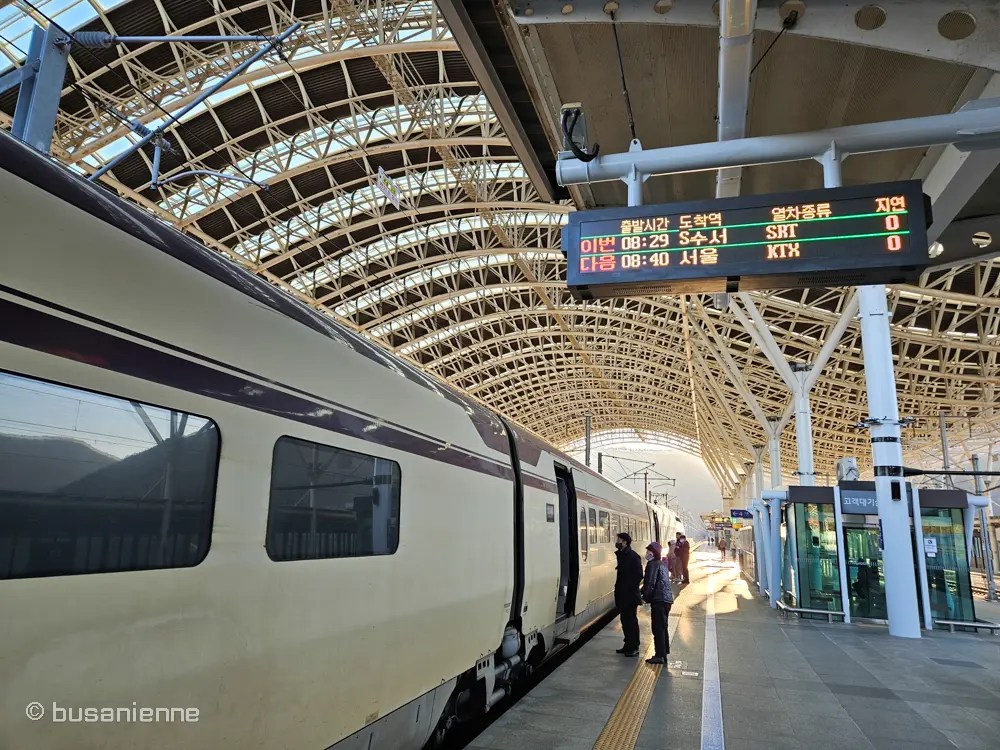
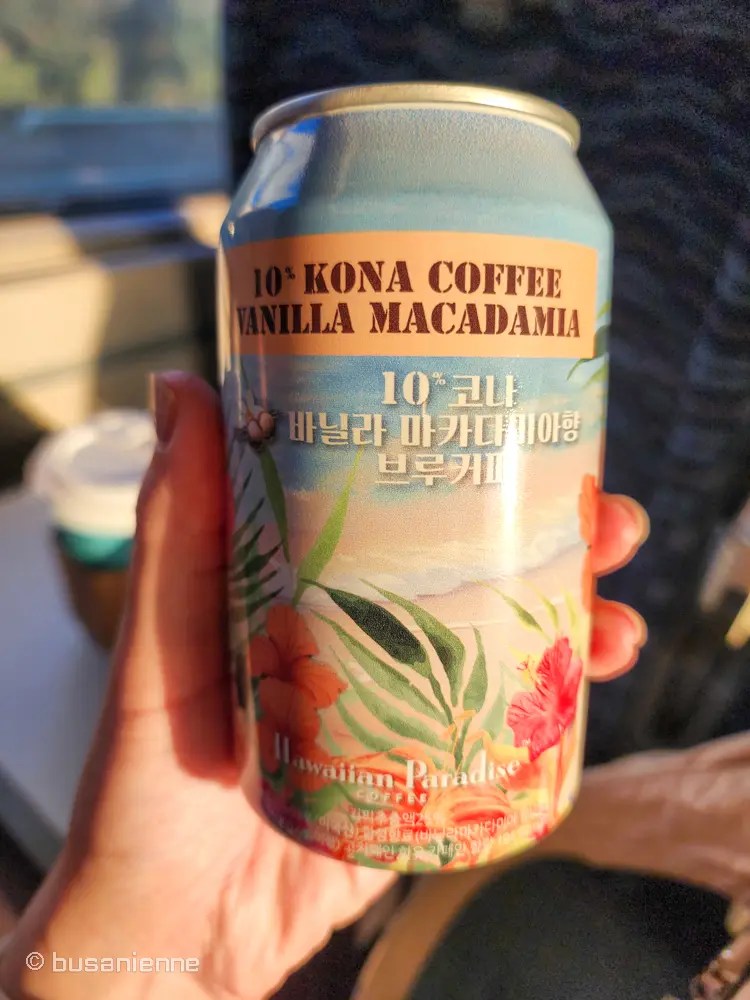
C’est une ville que j’aime énormément.
Je n’y vais pas souvent, mais j’essaie d’y passer au moins une fois par an.
Soumise à des restrictions de hauteur, la ville change très peu, et c’est cette atmosphère intemporelle qui me fait revenir.
─── ୨୧ ───
I really love this city.
I don’t go there often, but I try to visit at least once a year.
Because of the building height limits, Gyeongju barely changes, and that “frozen in time” feeling is exactly what keeps me coming back.
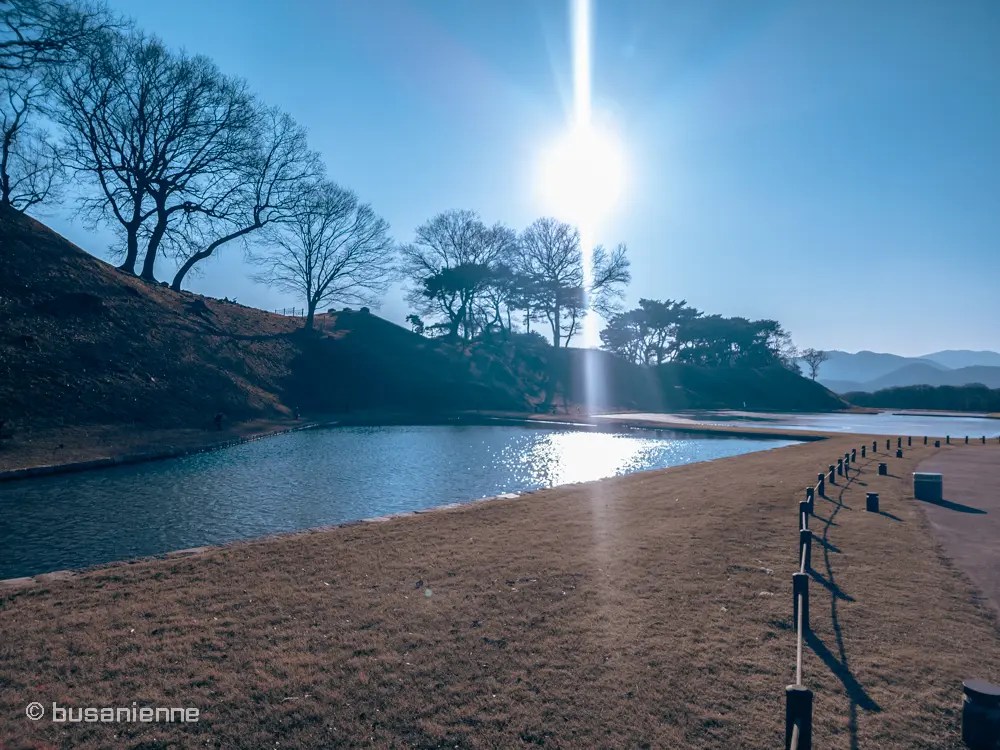
Un froid polaire et une bonne excuse
La semaine dernière, je me suis rendue à Gyeongju par un froid polaire.
La température ressentie frôlait les -15°C.
Mon excuse (tout à fait légitime) ?
Une exposition consacrée à Joseph Mallord William Turner.
Depuis que j’ai découvert Turner lors de la conférence Writers Revealed (« 거장의 비밀 », également appelée Voices of the Masters), j’ai appris par hasard qu’une exposition lui était consacrée à Gyeongju. 😍
─── ୨୧ ───
Freezing cold weather and a perfect excuse
Last week, I went to Gyeongju in the freezing cold. The “feels like” temperature was almost -15°C!
My excuse (a perfectly valid one!)?
An exhibition about the artist J.M.W. Turner.
Ever since I learned about Turner at a talk called “Voices of the Masters” (거장의 비밀), I happened to find out that there was an exhibition of his work right in Gyeongju. 😍
━━━━━▼━━━━━
![[Busan/Expo] Quand les portraits parlent plus que les livres | When Portraits Tell More Than Books – 거장의 비밀](https://busanienne.com/wp-content/uploads/2025/12/20251128_145250.webp?w=1000)
Je me suis dit :
« C’est maintenant ou jamais. Il faut y aller. »
Et me voilà partie.
Je vous parlerai du musée la semaine prochaine, mais aujourd’hui, je commence par…
la gourmandise.
─── ୨୧ ───
I told myself, “It’s now or never. I have to go.” And just like that, I was on my way!
I’ll tell you more about the museum next week, but today, let’s start with… the food!
Cuisine coréenne et végétarisme
Parmi les plats coréens, lequel est votre préféré ? (Enfin, si vous avez déjà goûté à la cuisine coréenne ! 😊)
On entend souvent dire : « La Corée est un pays difficile pour les végétariens. »
Et honnêtement, je comprends. La cuisine coréenne accorde une place prédominante à la viande, et même les bouillons ou les assaisonnements en contiennent souvent.
Dans les restaurants traditionnels, le choix peut donc vite devenir limité pour les végétariens.
─── ୨୧ ───
Korean Food and Vegetarianism
Which Korean dish is your favorite? (Well, that is, if you’ve tried Korean food before! 😊)
People often say, “Korea is a tough place for vegetarians.”
And honestly, I can see why. Meat is at the heart of many Korean dishes, and even the stocks or sauces often have animal-based ingredients.
In traditional restaurants, finding a vegetarian-friendly option can be quite a challenge.
Au passage, avez-vous vu l’émission Netflix Culinary Class Wars (흑백요리사) ?
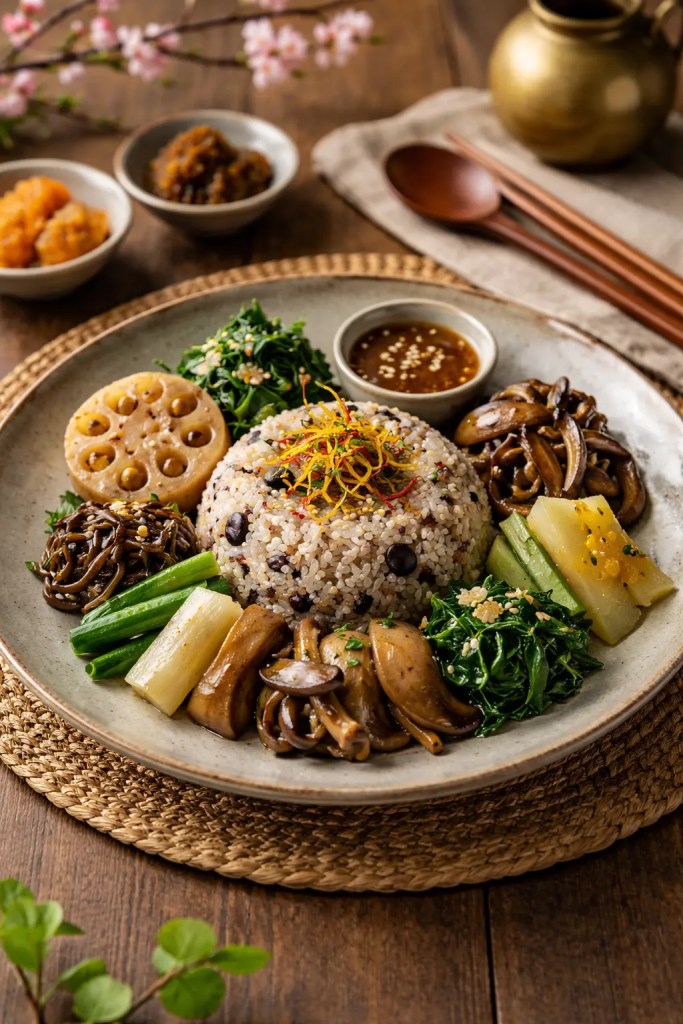
Elle est très populaire en Corée(moi, pas encore 😅), et l’on y voit notamment un moine bouddhiste préparer de la cuisine de temple.
Dans cette tradition culinaire, on n’utilise pas seulement ni viande ni poisson, mais aussi pas d’ail, pas d’oignon, ni de ciboule.
─── ୨୧ ───
By the way, have you seen the Netflix show “Culinary Class Wars” (흑백요리사)?
It’s incredibly popular in Korea (though I haven’t watched it yet 😅).
There is a Buddhist monk on the show who makes “Temple Food.”
In this cooking tradition, they don’t use any meat or fish.
They also avoid what we call the “five pungent spices,” like garlic, onions, and green onions.
👉🏻 Un petit conseil, au passage :
Lorsque vous cherchez un restaurant en Corée, ne vous limitez pas aux mots-clés « restaurant vegan ».
Essayez aussi 사찰요리 (sachal yori), souvent traduit par “temple food”.
Vous pourriez avoir de merveilleuses surprises.
⚠️ Petite précision toutefois : le restaurant d’aujourd’hui n’est absolument pas végétarien. 😅
Bref. Revenons à l’essentiel.
─── ୨୧ ───
👉🏻 A quick tip for you:
When looking for a restaurant in Korea, don’t just search for “vegan restaurant.”
Try searching for “Sachal-yori” (사찰요리) or “Temple food.”
You might stumble upon some hidden gems!
⚠️ Fair warning, though: the place I’m sharing today is definitely not vegetarian. 😅
Anyway! Back to the main point.
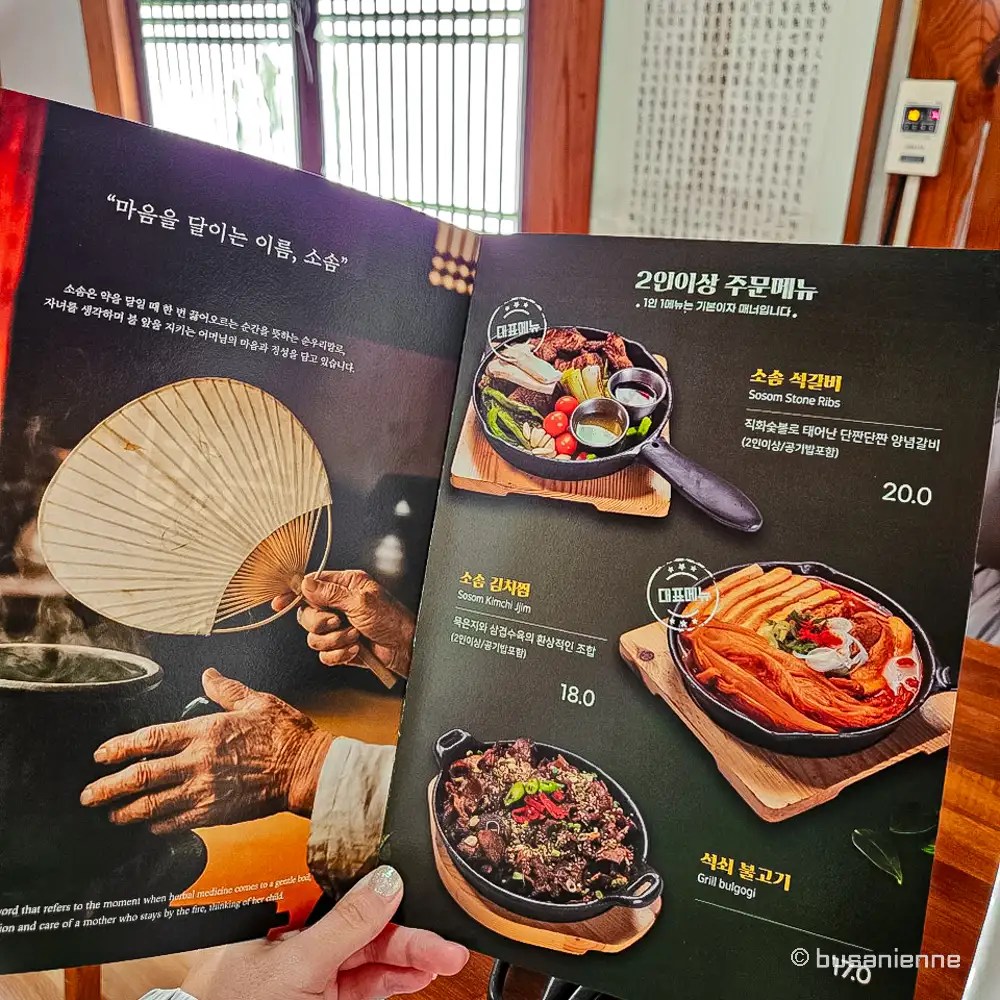
Un restaurant à Gyeongju : Sosomdang
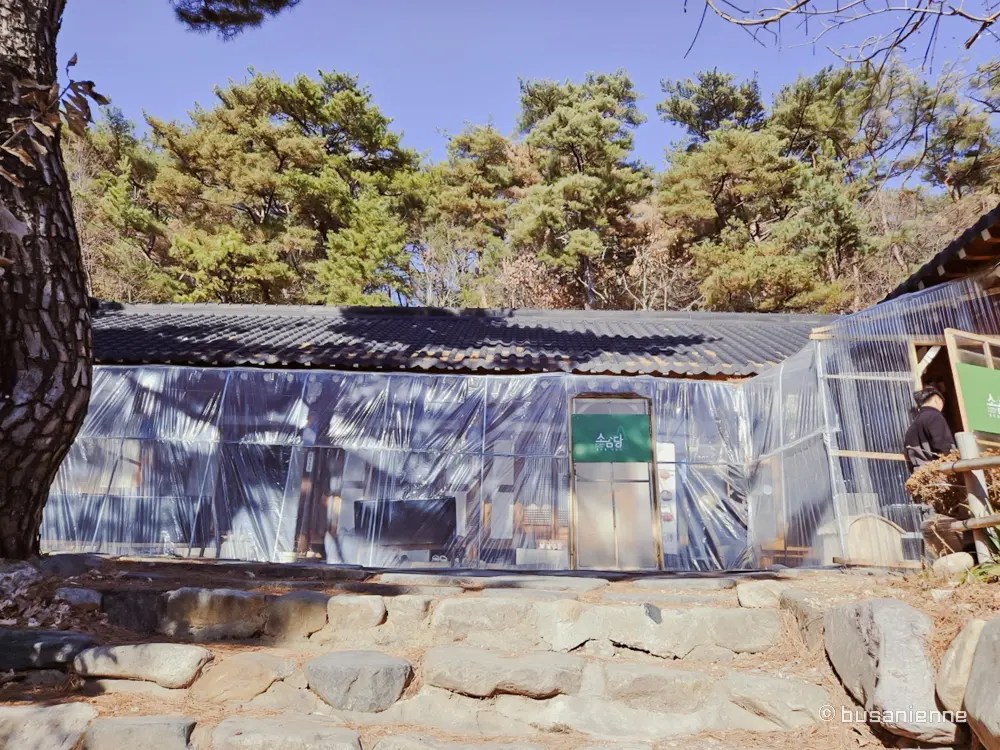
Le restaurant que j’ai visité à Gyeongju est spécialisé dans le Galbi (갈비), les fameuses côtes grillées coréennes.
Les avis étaient excellents — et je vous confirme qu’ils ne mentaient pas.
─── ୨୧ ───
A Restaurant in Gyeongju: Sosomdang
The place I visited in Gyeongju specializes in Galbi (Korean grilled ribs).
The reviews were glowing—and let me tell you, they totally lived up to the hype!
Je suis partie tôt le matin pour visiter le musée Wooyang (où j’ai pu admirer des estampes de Turner ainsi que quelques œuvres de Nam June Paik).
Ensuite, je me suis arrêtée ici pour un brunch tardif.
─── ୨୧ ───
I headed out early in the morning and first visited the Wooyang Museum (where I saw Turner’s prints and some works by Nam June Paik).
Afterward, I popped into this place for a late brunch.
En semaine, je n’avais pas réservé. En revanche, le week-end ou aux heures de pointe, il est vivement conseillé de passer par Naver ou Catch Table.
─── ୨୧ ───
Since it was a weekday, I didn’t make a reservation. However, if you’re visiting on weekends or during peak hours, it’s much better to book through Naver or Catch Table.
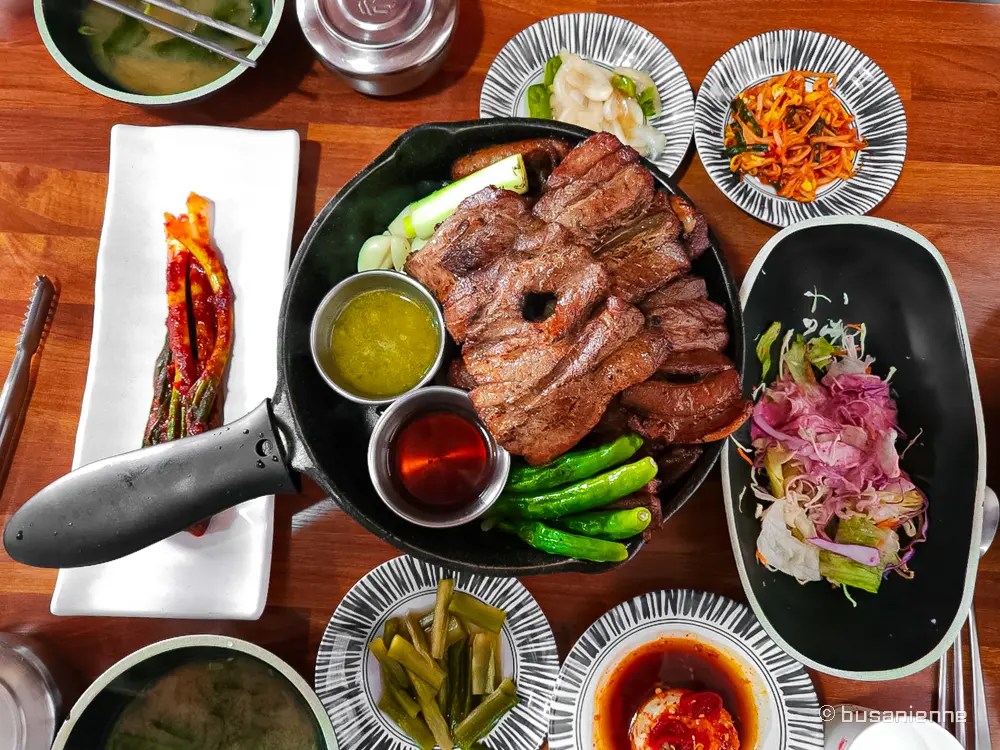
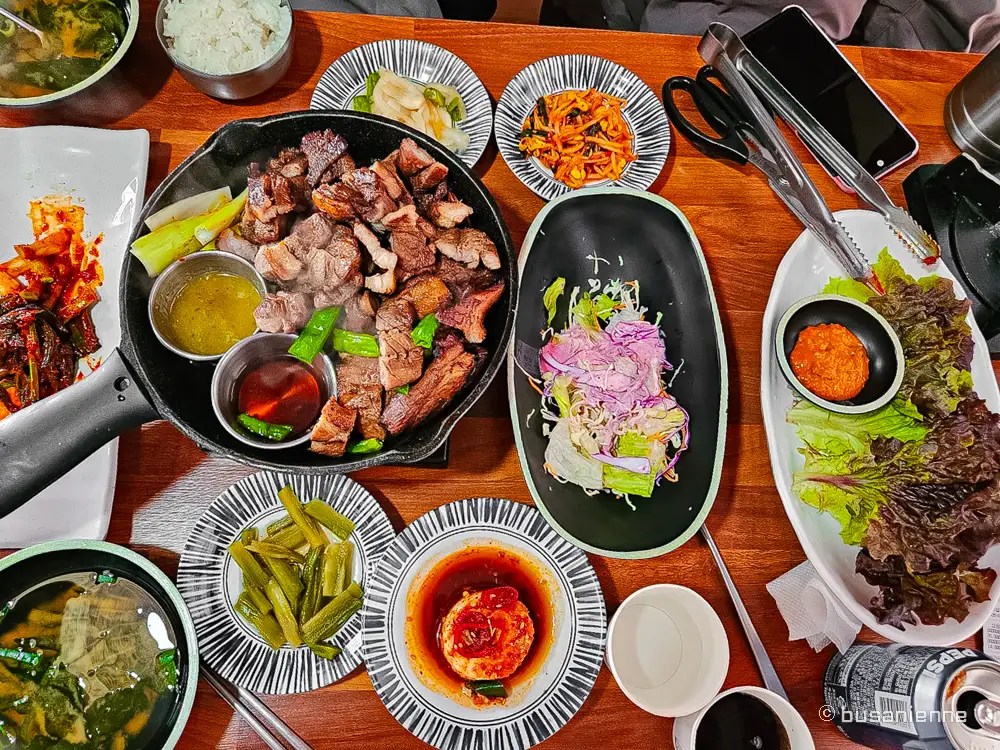
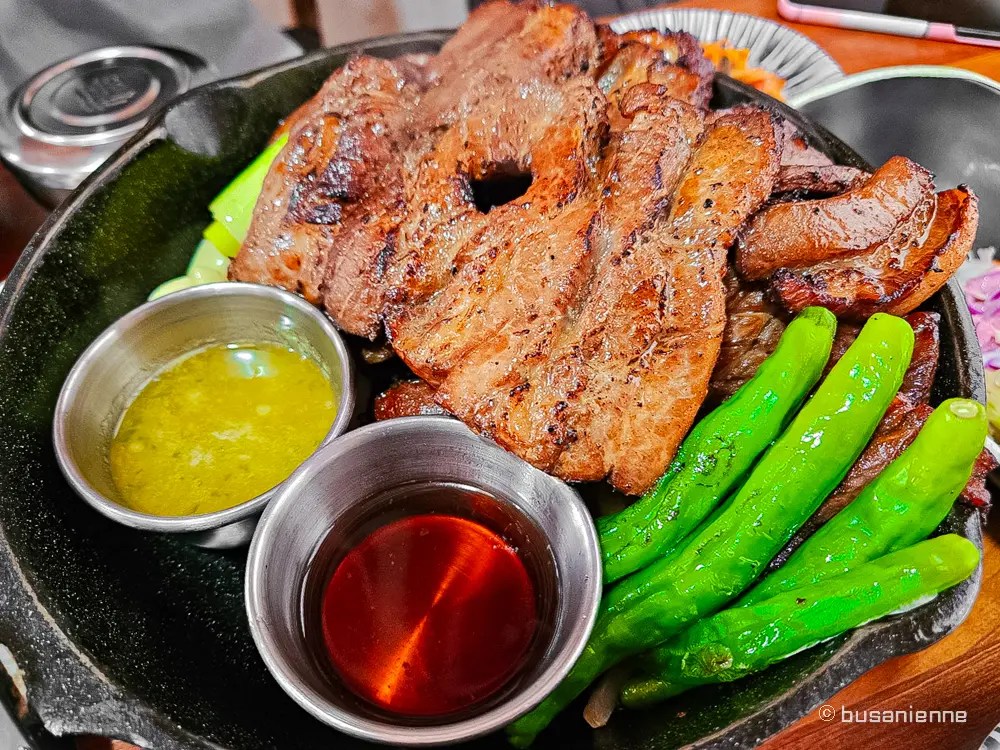
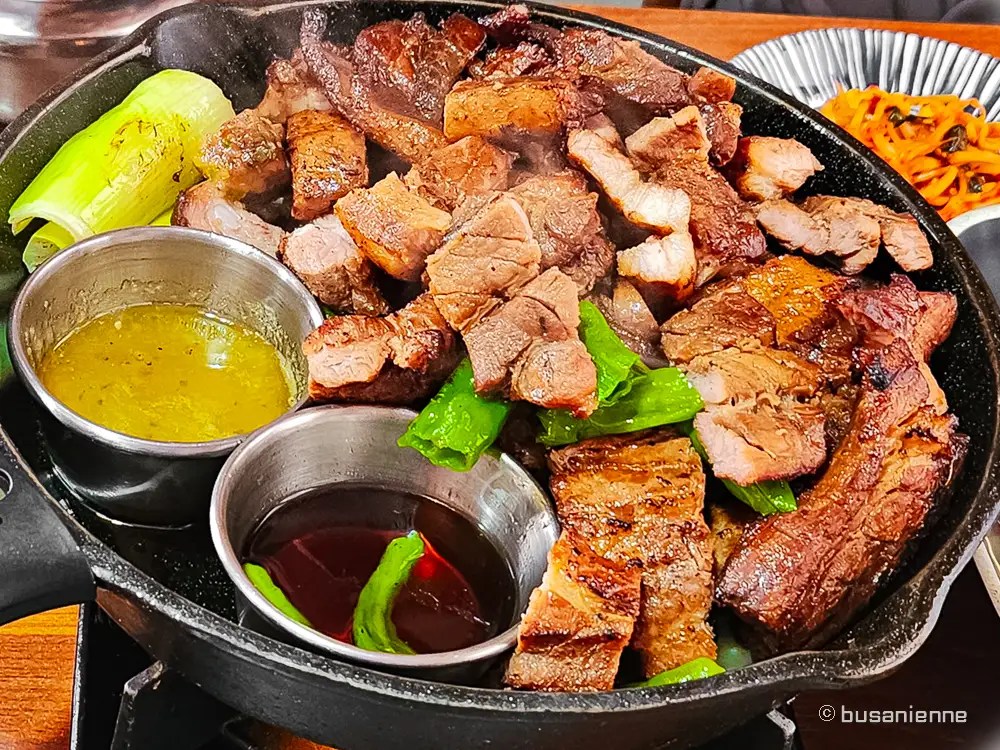
Sosomdang est particulièrement connu pour son Seokgalbi (석갈비) :
des côtes d’abord grillées au charbon de bois, puis servies sur une pierre brûlante où elles continuent de cuire.
Mais au fond, peu importe le nom. L’essentiel, c’est que la viande était incroyablement fondante et délicieuse. 😊
─── ୨୧ ───
Sosomdang is famous for its Seok-galbi:
the ribs are first grilled over charcoal and then served on a sizzling hot stone to keep them cooking.
But honestly, the name doesn’t matter much.
The most important thing is that the meat was incredibly tender and succulent! 😊
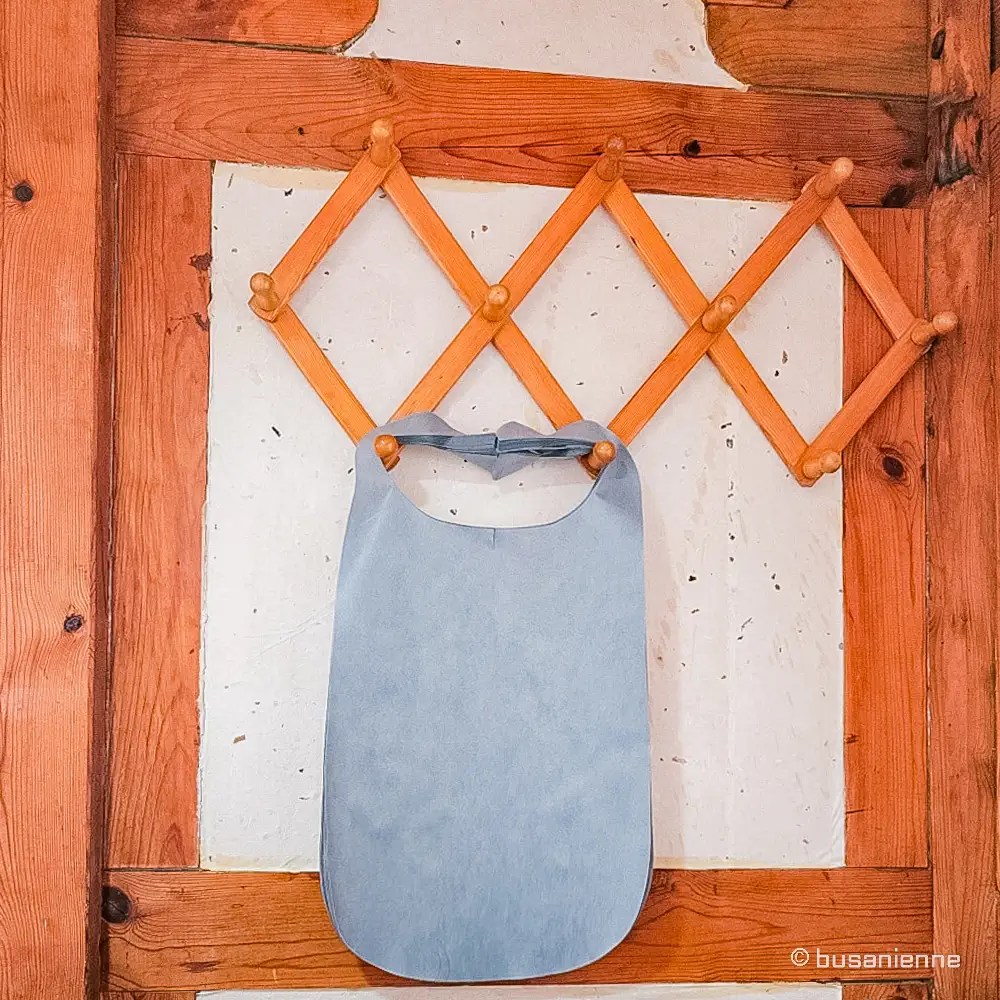
Dès l’entrée, le personnel vous accueille chaleureusement et vous guide vers votre salle.
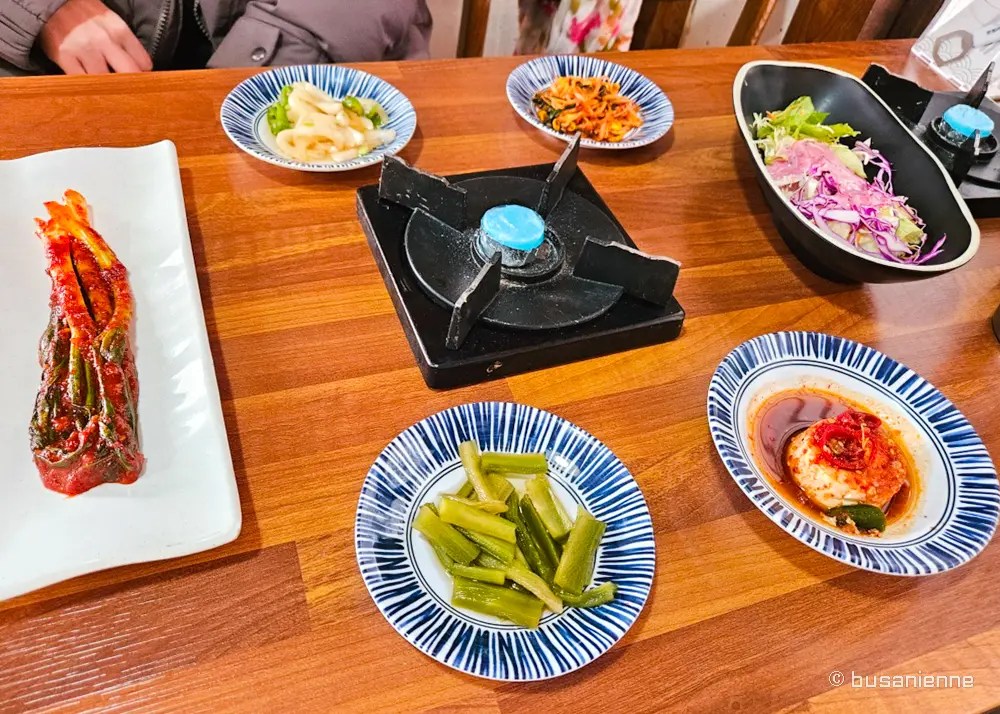
Les banchan (petits accompagnements coréens) sont déjà dressés sur la table, et surtout… l’accueil est d’une bienveillance remarquable.
─── ୨୧ ───
As soon as you walk in, the staff warmly greets you and guides you to your room.
The Banchan (Korean side dishes) are already set up on the table, and most of all… the staff is incredibly kind and welcoming.
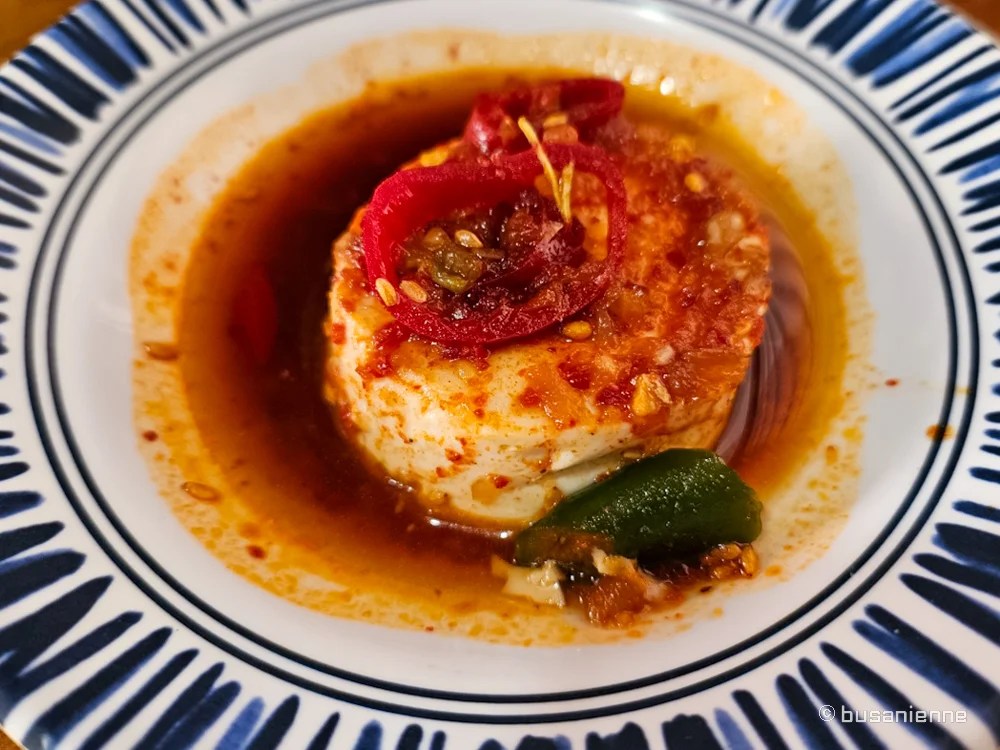
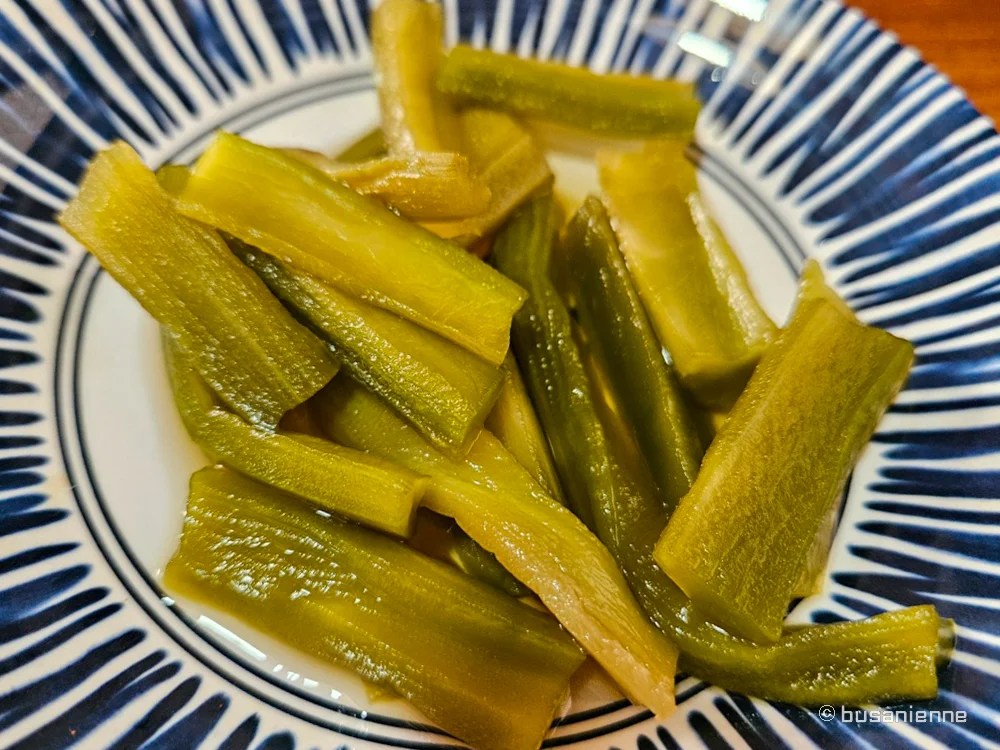
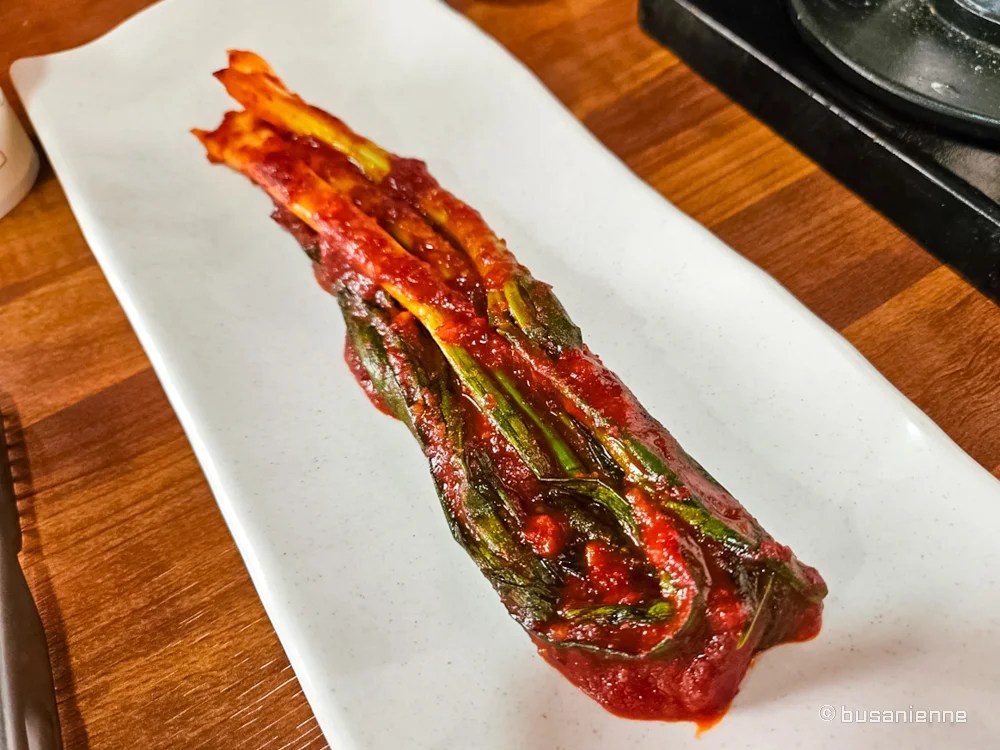
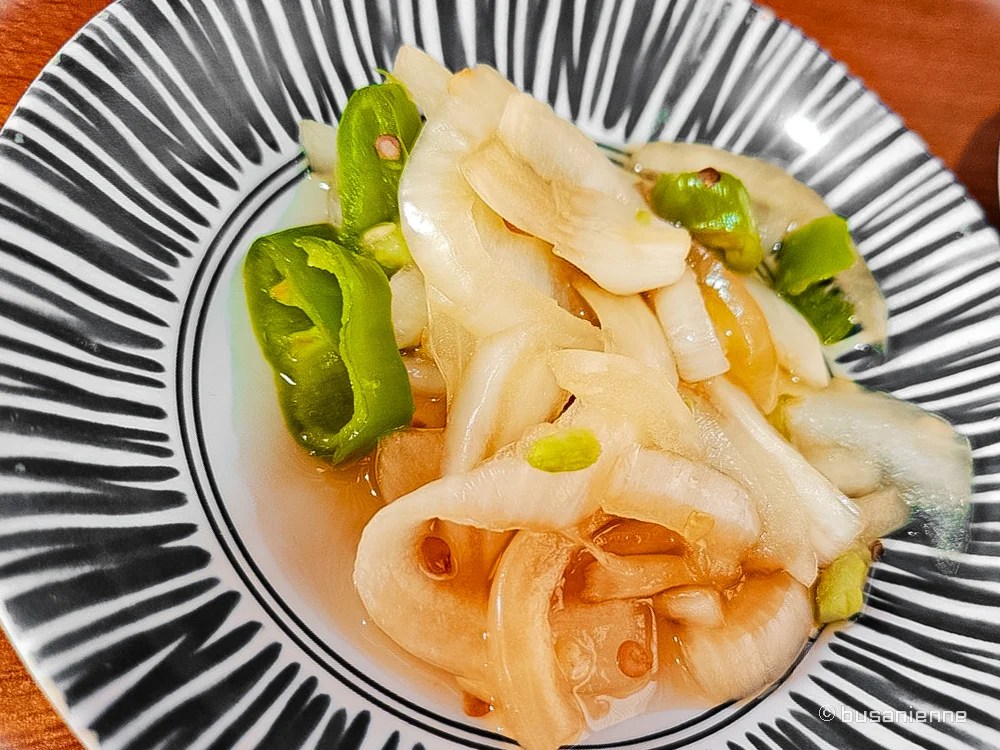
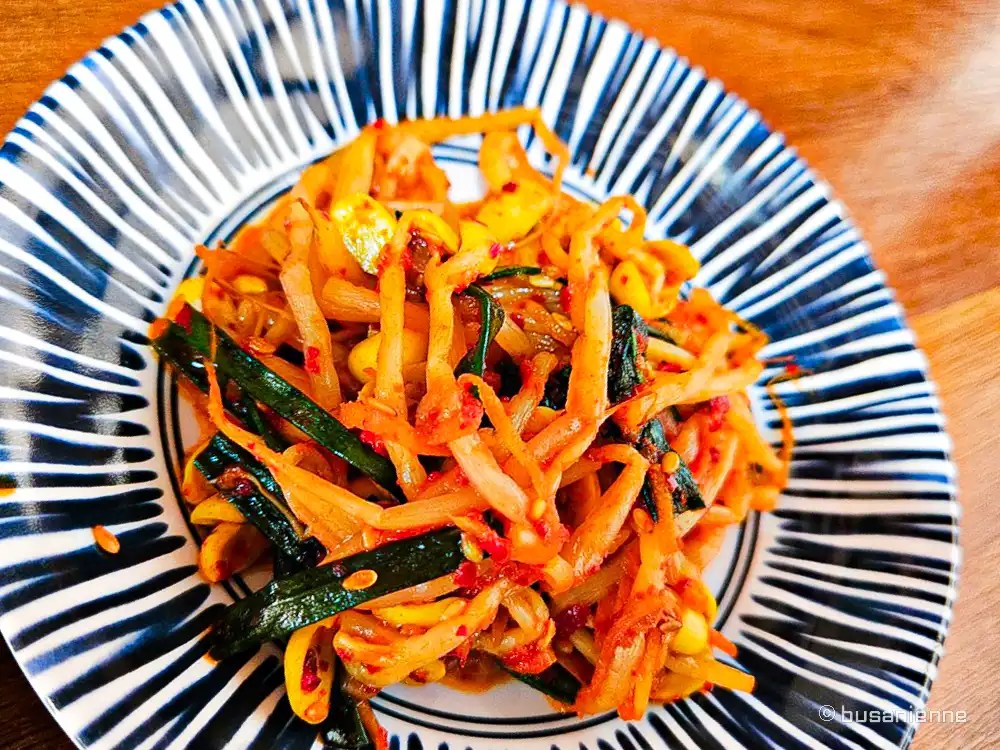
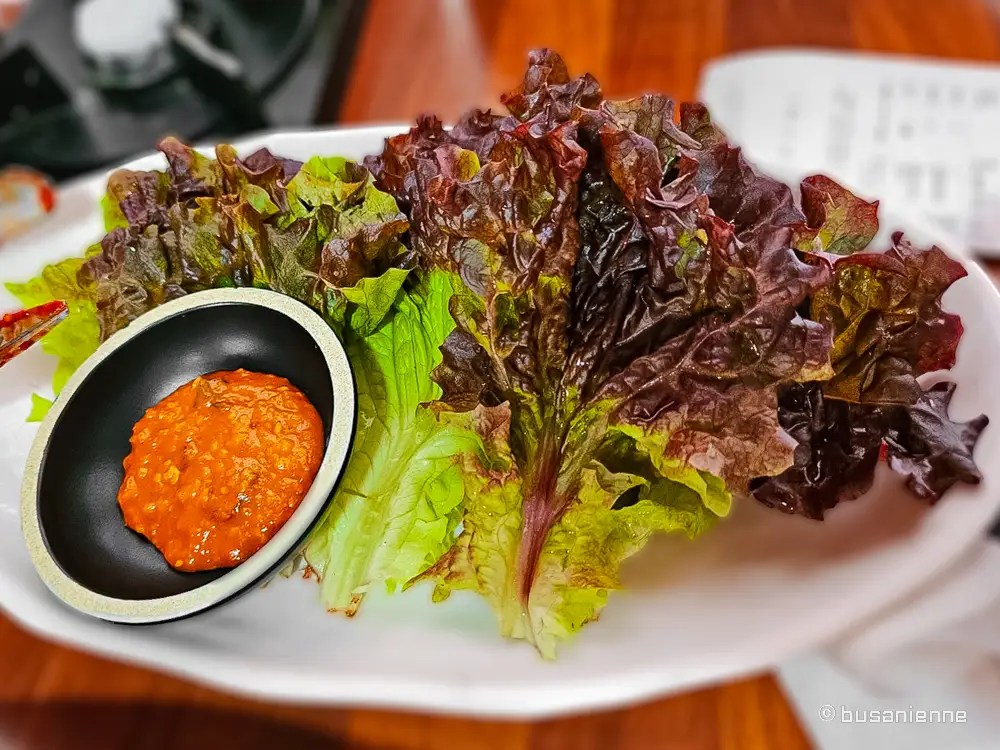
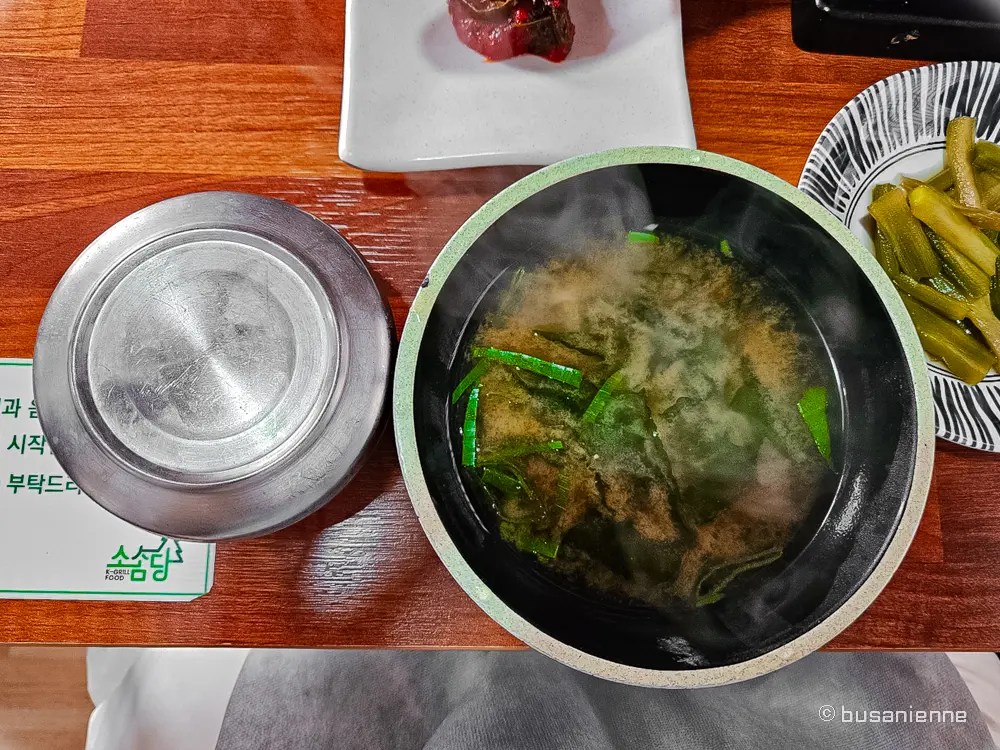
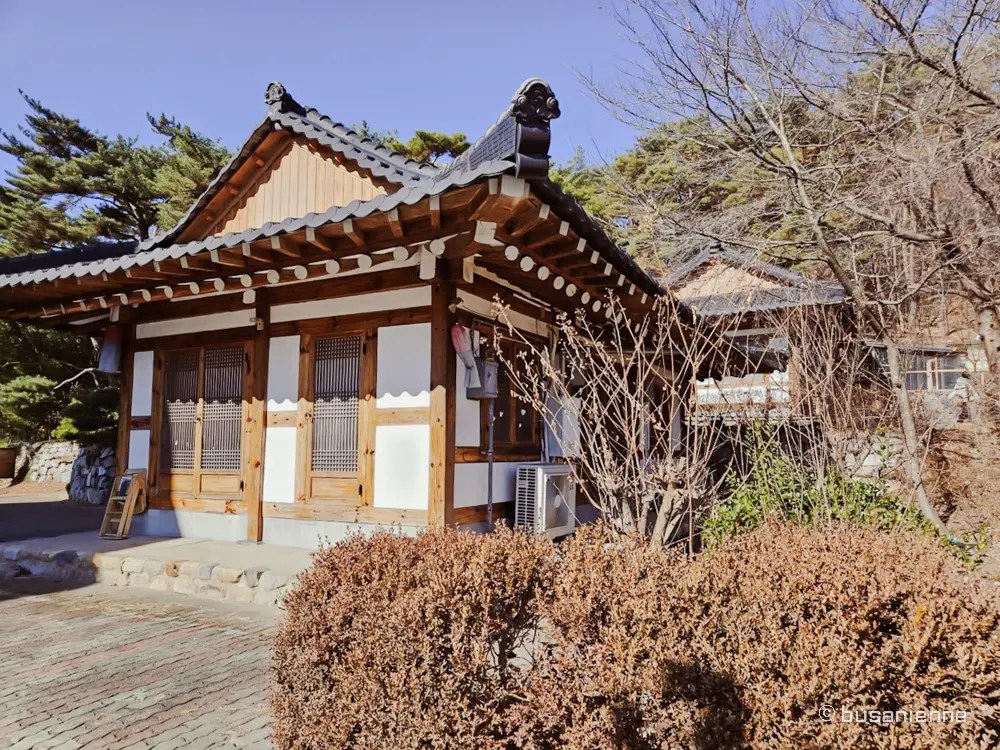
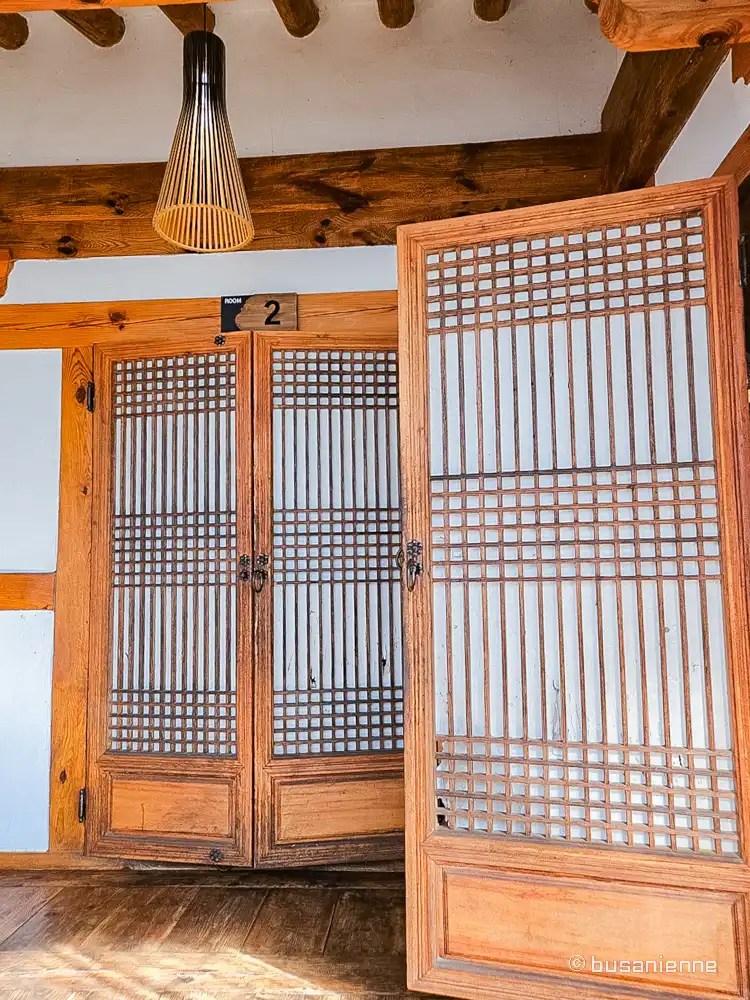
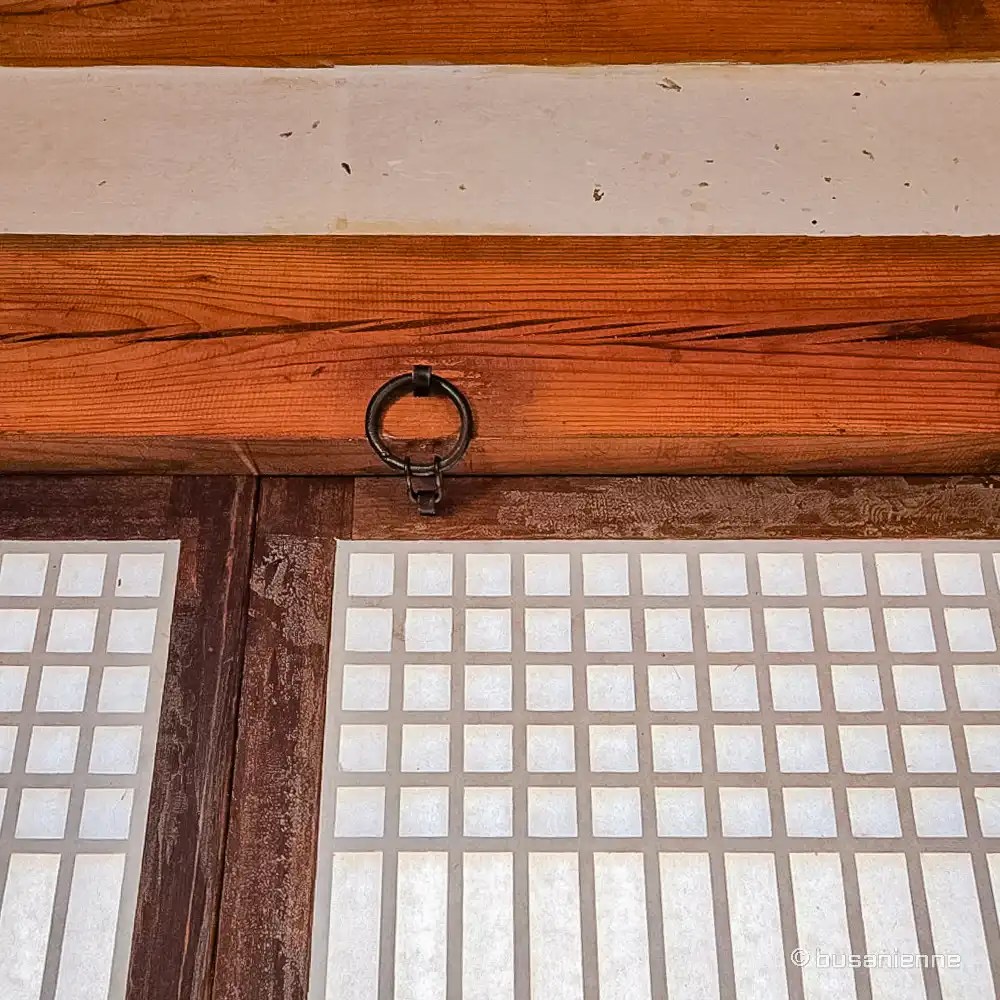
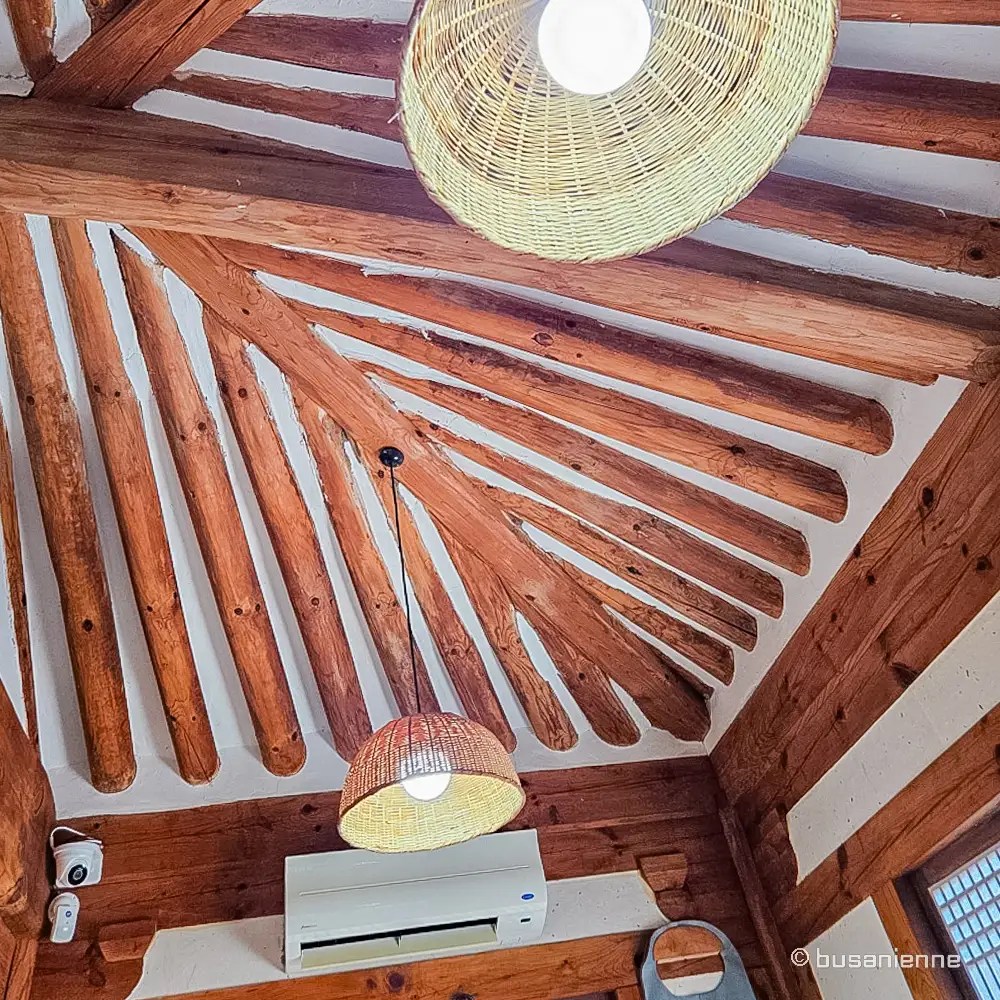
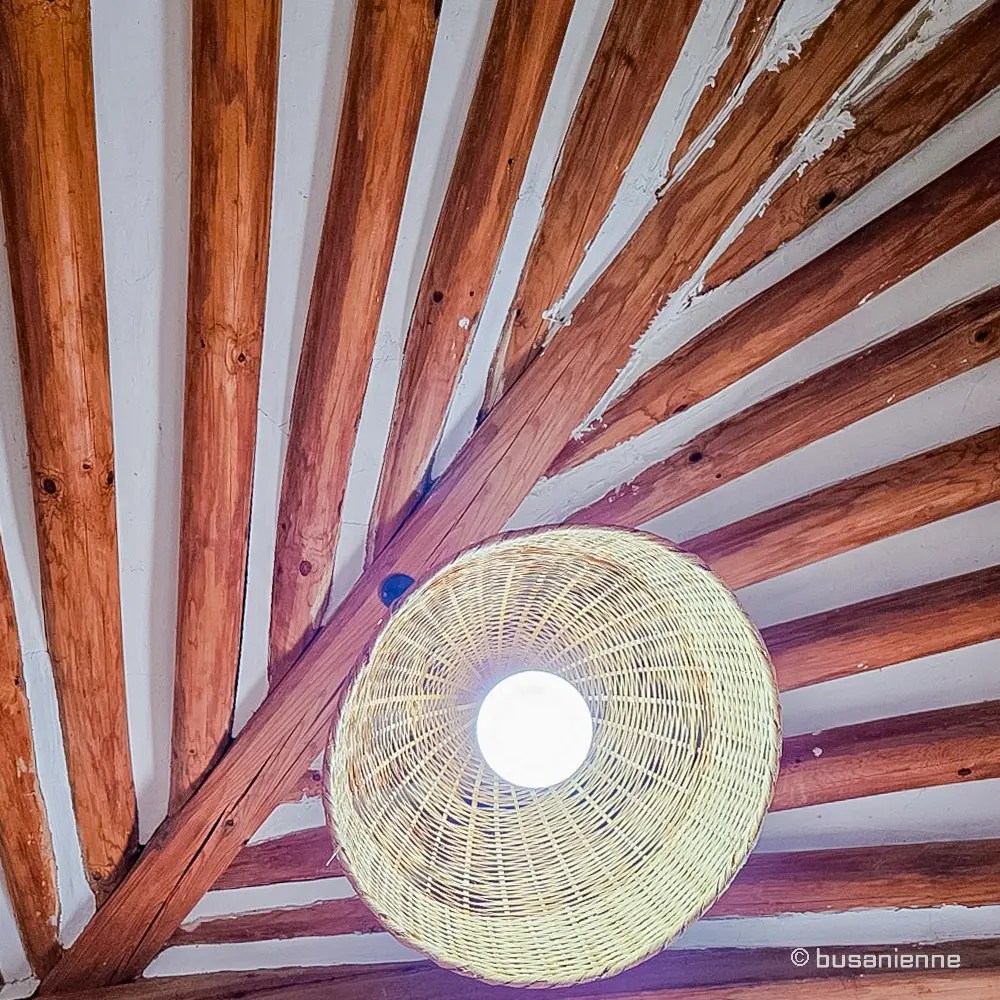
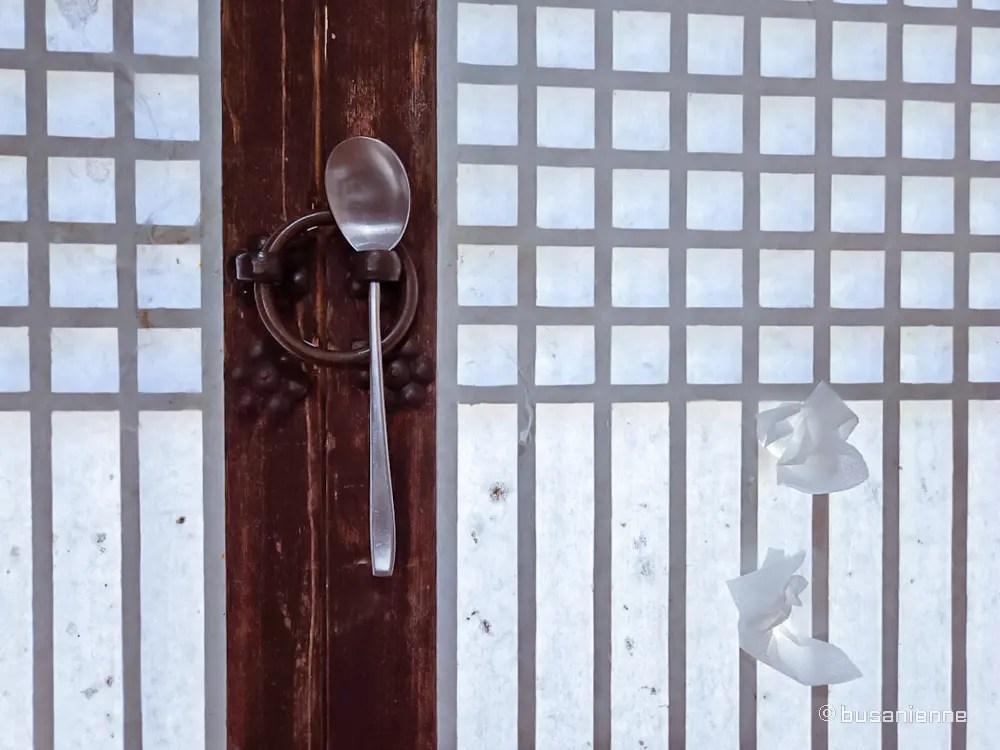
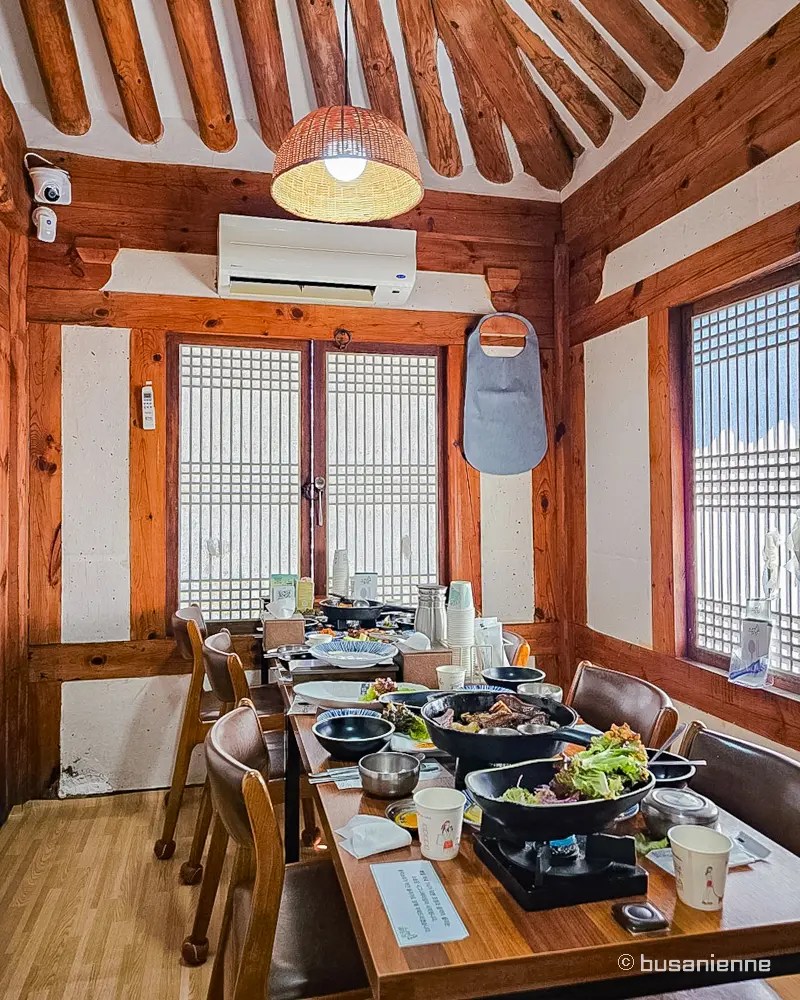
Le lieu est aménagé dans un style hanok, ce qui renforce vraiment cette impression : « Oui, je suis bien à Gyeongju. »
─── ୨୧ ───
The restaurant is in a Hanok style, which really makes you feel like, “Yes, I am definitely in Gyeongju!”
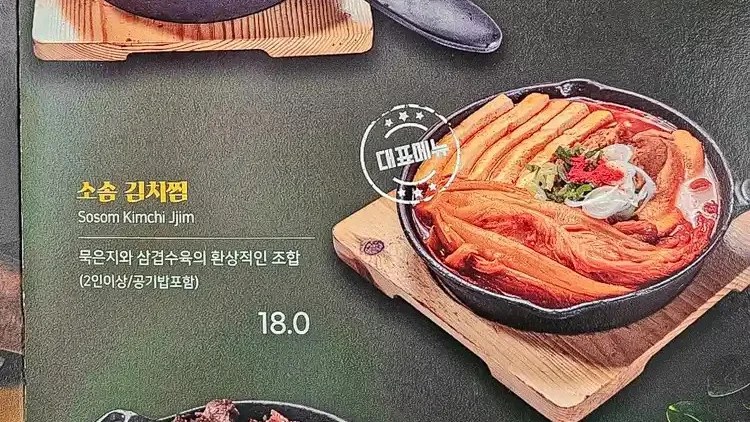
Je n’ai pas goûté le Kimchi-jjim ce jour-là, mais c’est l’un des plats phares de la maison.
En voyant les tables voisines le terminer jusqu’à la dernière bouchée, je me suis dit que ce serait sans doute pour une prochaine fois.
─── ୨୧ ───
I didn’t try the Kimchi-jjim (braised kimchi) that day, but it’s one of their signature dishes.
Seeing the people at the next table finish every last bit of it, I thought to myself: “I definitely have to try that next time!”
📍 Infos pratiques – Sosomdang | 📍 Practical Info – Sosomdang
- Localisation : Juste en face de Gyeongju Luge World (environ 10 min à pied du Musée Wooyang).
- Parking : Grand parking gratuit disponible.
- Réservation : Vivement conseillée le week-end et aux heures de pointe (possible via Naver ou Catch Table).
- À goûter : Le Seokgalbi de porc (côtes grillées sur pierre) et le Kimchi-jjim.
- Ambiance : Hanok traditionnel. Attention, on enlève ses chaussures à l’entrée pour s’installer dans des salles chaleureuses au style coréen classique.
─── ୨୧ ───
- Location: Directly across from Gyeongju Luge World (about a 10-minute walk from Wooyang Museum).
- Parking: Spacious parking lot available.
- Reservation: Highly recommended on weekends and during peak hours (available through Naver or Catch Table).
- Must-try: Pork Seok-galbi and Kimchi-jjim.
- Atmosphere: Authentic Hanok style. Note: You’ll need to take off your shoes at the entrance. The dining area is cozy and traditional, offering a true Korean experience.
| 🍚🥩 Restaurant _ 소솜당 Sosomdang |
|---|
| 🍣 Type 한식당 /hansikdang/ – (coréen/Korean) |
| 🏡 Adresse(Address) 29-5, Cheonbungnam-ro, Gyeongju-si, Gyeongsangbuk-do |
| 📞 Téléphone(Contact) +82-507-1480-7181 |
| ⏳ Horaires(Hours) 11:00 – 21:00 (Break: 15:00 – 17:00 / Last Order: 20:00) Fermé le mardi / Closed every Tuesday |
| 🌐 SNS @sosomdang |
| 🔗 Reservation @Naver |
| 🗺️ Carte(Map) naver.me/GRo4iFSo |




 BUSANIENNE
Leave a comment