Coucou tout le monde !
L’été a commencé et il fait très, très chaud en Corée. 🌞
J’espère que vous allez bien !
─── ୨୧ ───
Hello everyone!
Summer has started, and it is very, very hot in Korea. (+ super humid) 🌞💦
I hope you’re enjoying the summer. 😎

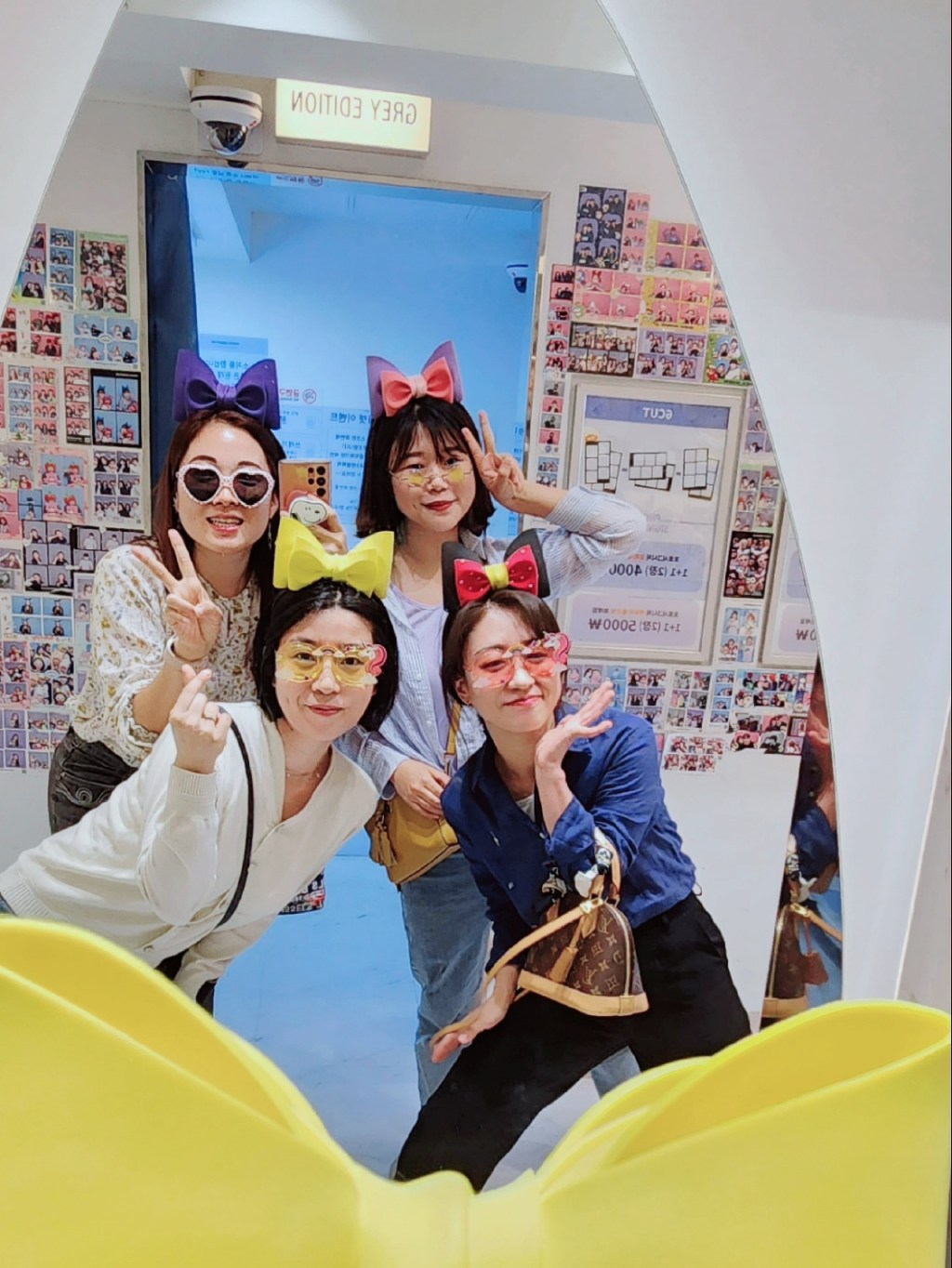
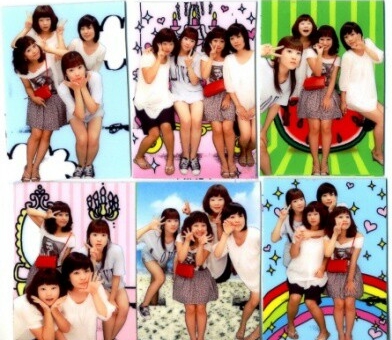
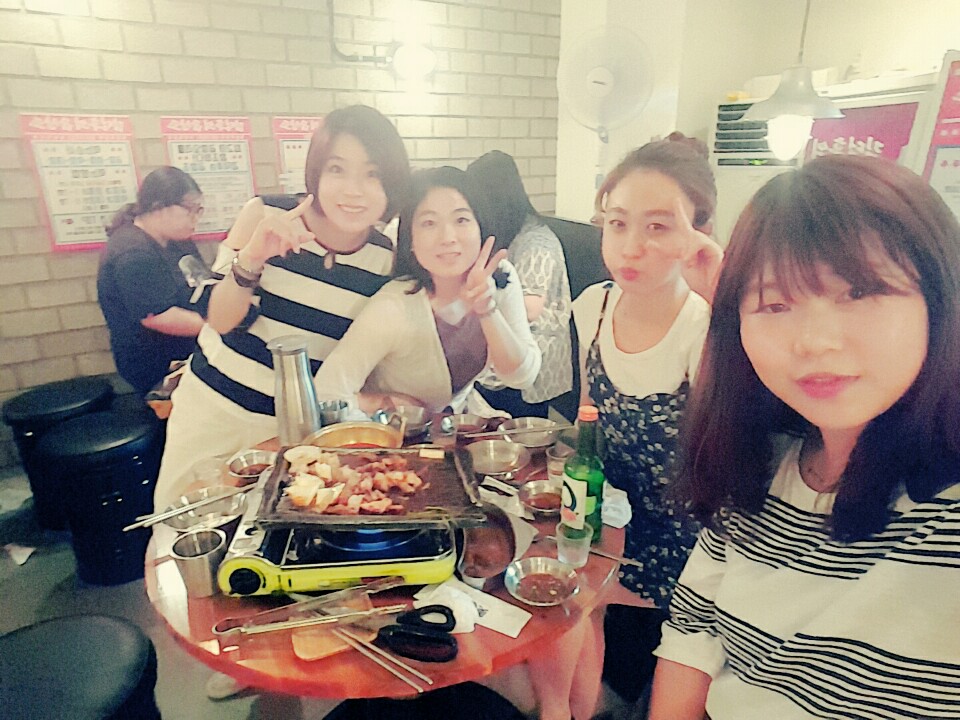
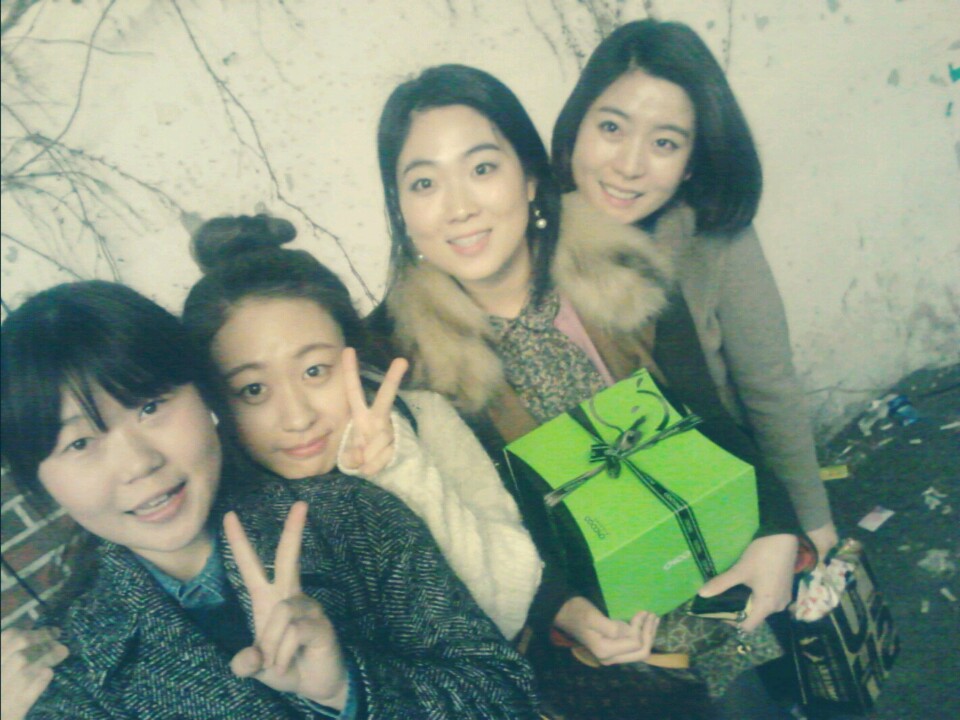
Ce sont mes amies du lycée.
En fait, on s’est rencontrées vers l’âge de 10-11 ans.
Mais comme nous avons passé énormément de temps ensemble depuis le lycée, nous préférons nous appeler amies du lycée. 😂
─── ୨୧ ───
These are friends of mine from high school.
Actually, we met when we were about ten or eleven.
But since we’ve spent so much time together since high school, we like to think of ourselves as “high school friends.” 😂

Récemment, je les ai vues et j’ai pensé à vous apprendre un nouveau mot coréen ! Hé hé. Le mot que je vais vous apprendre aujourd’hui est « 아줌마 /ajumma/ », qui signifie « Madame » en coréen.
(Mais il vaut mieux ne pas utiliser ce mot. 🤐 Je vous expliquerai pourquoi.)
─── ୨୧ ───
When I met up with these friends recently, I thought I’d share a Korean word with you on my blog. 😁
The word I’m going to teach you today is “아줌마 /ajumma/”, which means “Ma’am” or “middle-aged woman” in Korean.
(But you’d better avoid using this word. I’ll explain why. 🤭)

Quand nous étions à l’école, tout le monde disait que je serais la première de mon entourage à me marier, mais en réalité, c’est tout le contraire ! 🤣
Tout le monde est marié sauf moi ! 😂
─── ୨୧ ───
When we were in school, everyone said I would be the first among us to get married, but the reality is quite the opposite.
Everyone is married except me! 😅😂

Ce n’est pas parce que je refuse de me marier.
Mais je n’ai pas encore envie de me marier. 😎
En fait, je n’ai jamais rêvé de mon mariage.
Je ne suis pas prête ! 🤭
─── ୨୧ ───
It’s not that I’m against marriage.
I just don’t feel ready for it yet. 😎
In fact, I’ve never dreamed of my wedding.
I guess I’m just not ready! 🤭

Elles sont toutes mariées et ont des enfants.
Deux d’entre nous habitent encore à Busan, tandis que les autres vivent dans des villes voisines.
Donc, on se retrouve généralement près du Terminal des bus interurbains.
Après avoir déposé leurs enfants à la crèche, elles viennent à Busan vers 11 heures. On déjeune ensemble, puis vers 14 heures, elles repartent chercher leurs enfants.
─── ୨୧ ───
They are all married and have young children.
Two of us still live in Busan, while the others reside in nearby cities.
So we usually meet near the Intercity Bus Terminal.
After dropping their kids off at daycare, they come to Busan around 11 o’clock.
We have lunch together, and then around 2 o’clock, they head back to pick up their children.
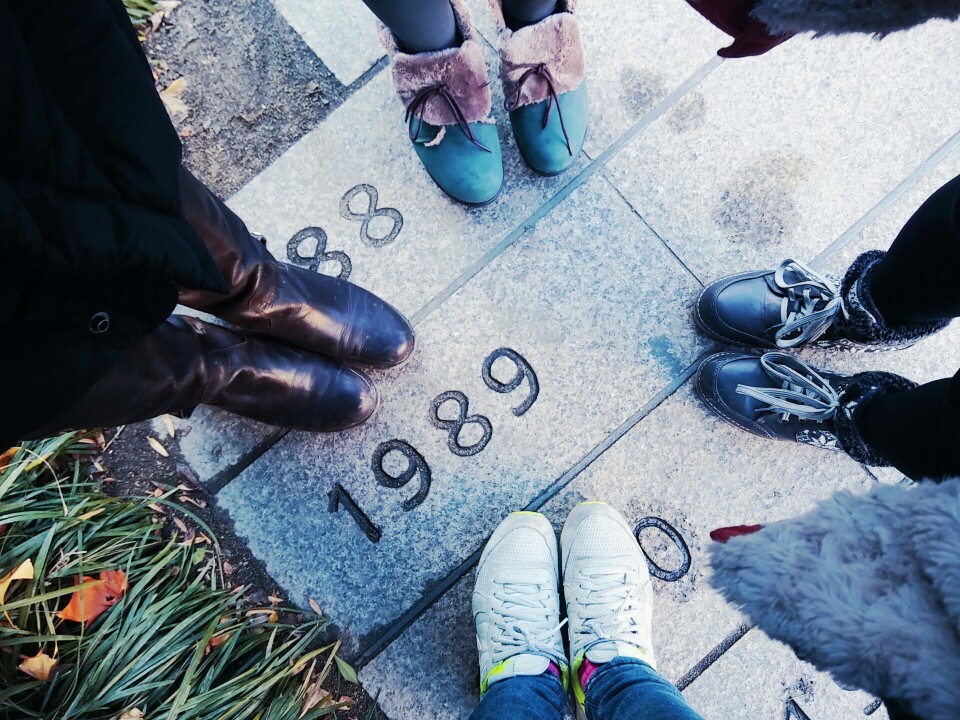
Quand je les rencontre, j’entends beaucoup d’histoires sur leur vie en tant que « 아줌마 Ajumma ».
─── ୨୧ ───
When I meet them, I hear a lot of stories about their lives as “아줌마 Ajumma.”

« 아줌마 Ajumma »
C’est un mot utilisé pour désigner une femme mariée et avec des enfants.
En général, Ajumma est un terme courant pour les femmes de mon âge (on semble souvent être considérée comme Ajumma à partir de la trentaine 🤔).
Cependant, Ajumma peut désigner n’importe quelle femme mariée, quel que soit son âge (jeune ou âgée).
─── ୨୧ ───
“아줌마 Ajumma”
It is a term used to refer to a woman who is married and has children.
Generally, Ajumma is a common term for women around my age (you often start being considered an Ajumma from your mid-30s 🤔).
However, Ajumma can refer to any married woman, regardless of her age (young or old).
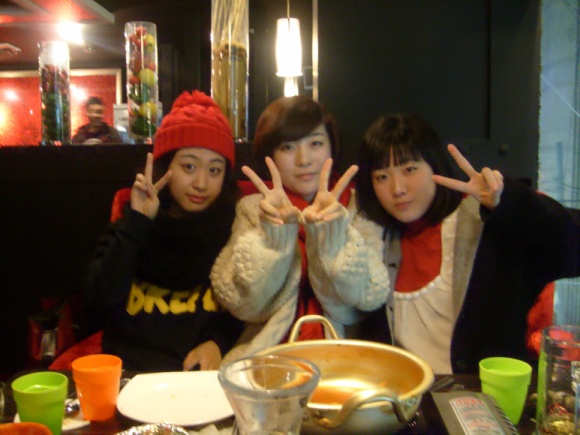
Mais en général, surtout les jeunes femmes coréennes célibataires ne sont pas très contentes d’être appelées ainsi.
Même les vraies 아줌마 Ajumma (!) n’apprécient pas forcément ce terme.
─── ୨୧ ───
But generally, unmarried Korean women, especially younger ones, are not very pleased with being called that.
Even women who are genuinely 아줌마 Ajumma (!) often don’t like the term either.
Parce qu’on l’utilise souvent pour décrire une mauvaise image d’une femme d’âge moyen égoïste. 😅
Donc, quand vous venez en Corée, évitez d’utiliser ce mot. 😂
─── ୨୧ ───
Because people often use that word to describe a negative stereotype of an egoistic middle-aged woman. 😅
So when you come to Korea, try not to use this word. 😂
Just say “Hi, excuse me…” instead.
Don’t add “Ajumma” because it’s not the same as “ma’am.” 😊
Par contre, ça ne me dérange pas qu’on m’appelle Ajumma, tante ou madame.
(Appelez-moi comme vous voulez. 😁)
En fait, je trouve ça juste drôle. 😝
J’adore vieillir, et j’aime qu’on me le rappelle.
Ça me fait rire. 😝 Bizarre, je sais. 😅
─── ୨୧ ───
On the other hand, I don’t mind being called Ajumma, Auntie, or anything else.
(Call me whatever you like. 😁)
Actually, I find it quite funny. 😝
I love aging, and I kind of enjoy being reminded of it. It makes me laugh. 😝
Weird, I know. 😅

Bon, j’espère que vous allez tous passer un bon week-end ! ❤️❤️❤️
─── ୨୧ ───
I hope you have a lovely weekend! ❤️❤️❤️
✨ Mots utiles (Useful words)
1. personne mariée (married person)
유부녀 /yu-bu.nyeo/ femme mariée (married woman)
유부남 /yu-bu.nam/ homme marié (maried man)
2. célibataire (single)
미혼 /mi-hon/
3. marié (married)
기혼 /gi-hon/
🍀Lorsque vous écrivez des mots coréens en romanisation, ne mettez pas de point ni de tiret entre les lettres. Je fais cela simplement pour vous montrer comment prononcer chaque lettre.
🍀When writing Korean words in romanization, do not use periods or slashes between the letters. I am doing this just to show you how to pronounce each letter.
🐳Si vous avez d’autres questions à ce sujet, n’hésitez pas à les poser en commentaire ci-dessous. J’aimerais partager des expressions diverses et utiles avec autant de personnes que possible. Et surtout, je suis curieuse de savoir ce que vous aimeriez découvrir en apprenant le coréen. 😉
🐳If you have any more questions on this topic, please feel free to ask them in the comments below. I’d love to share various useful expressions with as many people as possible. Above all, I’m curious to know what you’re interested in learning as you dive into Korean. 😉
![[다이소] 아이스 트레이 원형 6구 6cm (품번: 1051122)](https://busanienne.com/wp-content/uploads/2025/09/icetray.webp?w=715)
![[Japon/Japan] Otaru, par hasard. / Otaru, by Chance.](https://busanienne.com/wp-content/uploads/2026/03/20260205_165347_con.webp?w=1000)
![[Busan] Sentier côtier d’Igidae / Igidae costal walk - 이기대 해안산책로 🌅⛰️🥾](https://busanienne.com/wp-content/uploads/2024/10/igidae.jpg?w=1024)
![[Coréen/Korean] 사재기 — "Faire des stocks" en coréen / "Panic buying" in Korean](https://busanienne.com/wp-content/uploads/2026/04/20260324_101629.webp?w=1024)

 BUSANIENNE
Leave a reply to Ashley Cancel reply