
Les secrets des grands maîtres : Rencontrer les écrivains avant leurs œuvres |
Secrets of the Great Masters: Encountering the Writers, Not Just Their Words

Revoir les visages, vraiment / Seeing faces again, really
J’ai récemment visité « 거장의 비밀 (Writers Revealed) » au musée de Busan.
On y rencontre des écrivains à travers leurs portraits — leurs visages d’abord, avant leurs œuvres.
─── ୨୧ ───
I recently visited Writers Revealed (« 거장의 비밀 ») at the Busan Museum.
Here, writers are introduced through their portraits — faces first, before books or titles.
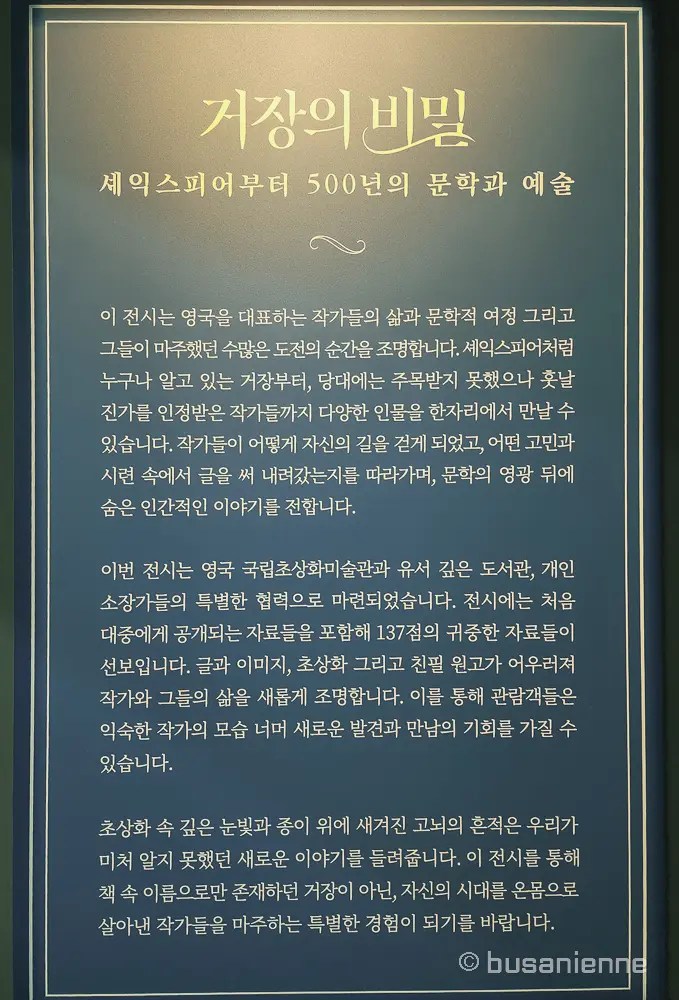

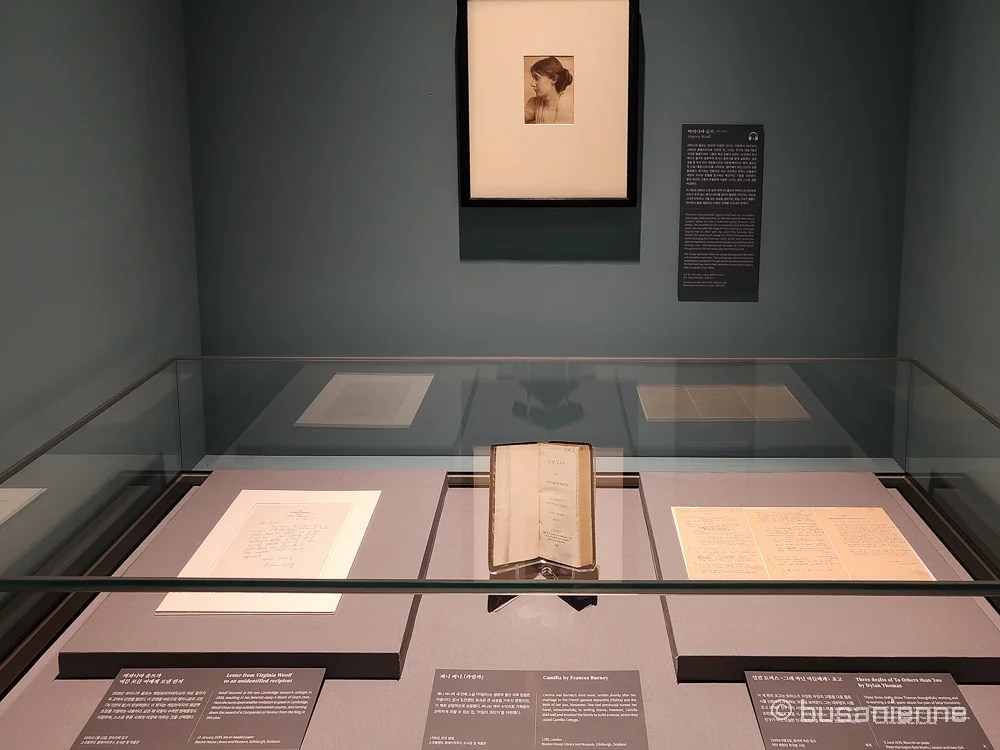
Les tableaux sont accompagnés de lettres, d’éditions originales et de manuscrits.
─── ୨୧ ───
The paintings are displayed alongside letters, original editions, and handwritten manuscripts.
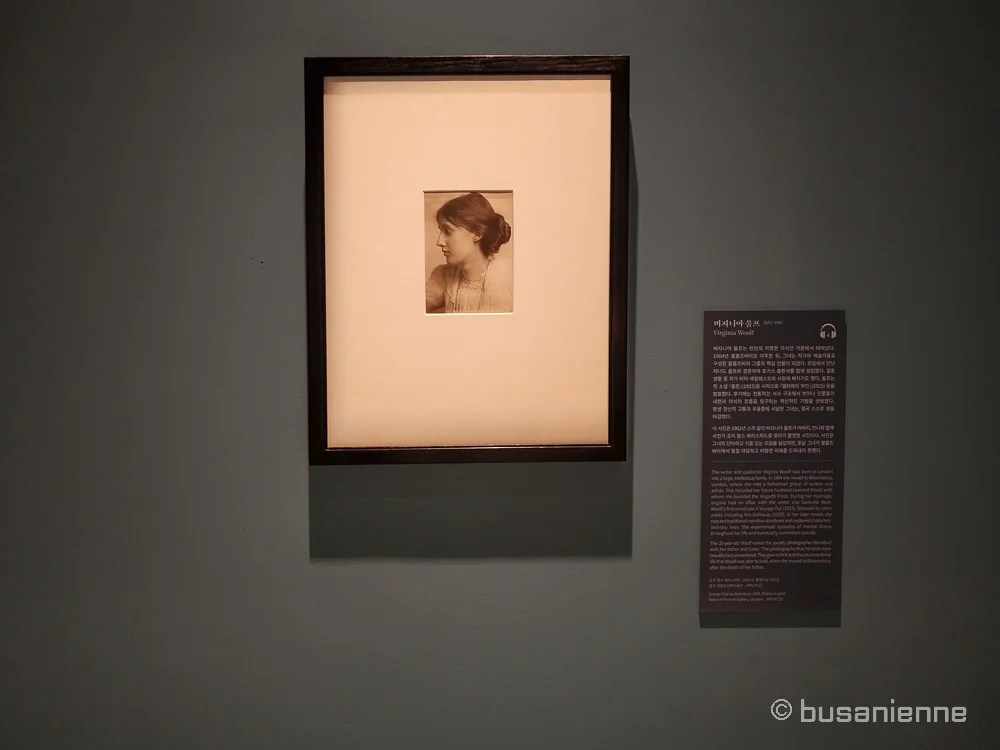
Dès l’entrée, le portrait de Virginia Woolf donne le ton :
l’exposition ne nous interroge pas sur ce que nous avons lu, mais sur les auteurs que nous avons rencontrés. ♥️
─── ୨୧ ───
At the entrance, the portrait of Virginia Woolf sets the tone:
this exhibition doesn’t ask what we’ve read, but which writers we’ve actually encountered.
Une visite guidée, presque indispensable / A guided visit, almost essential

J’ai choisi la visite guidée, presque instinctivement — et c’était le bon choix !
─── ୨୧ ───
I joined the guided tour almost instinctively — and it turned out to be the right choice.


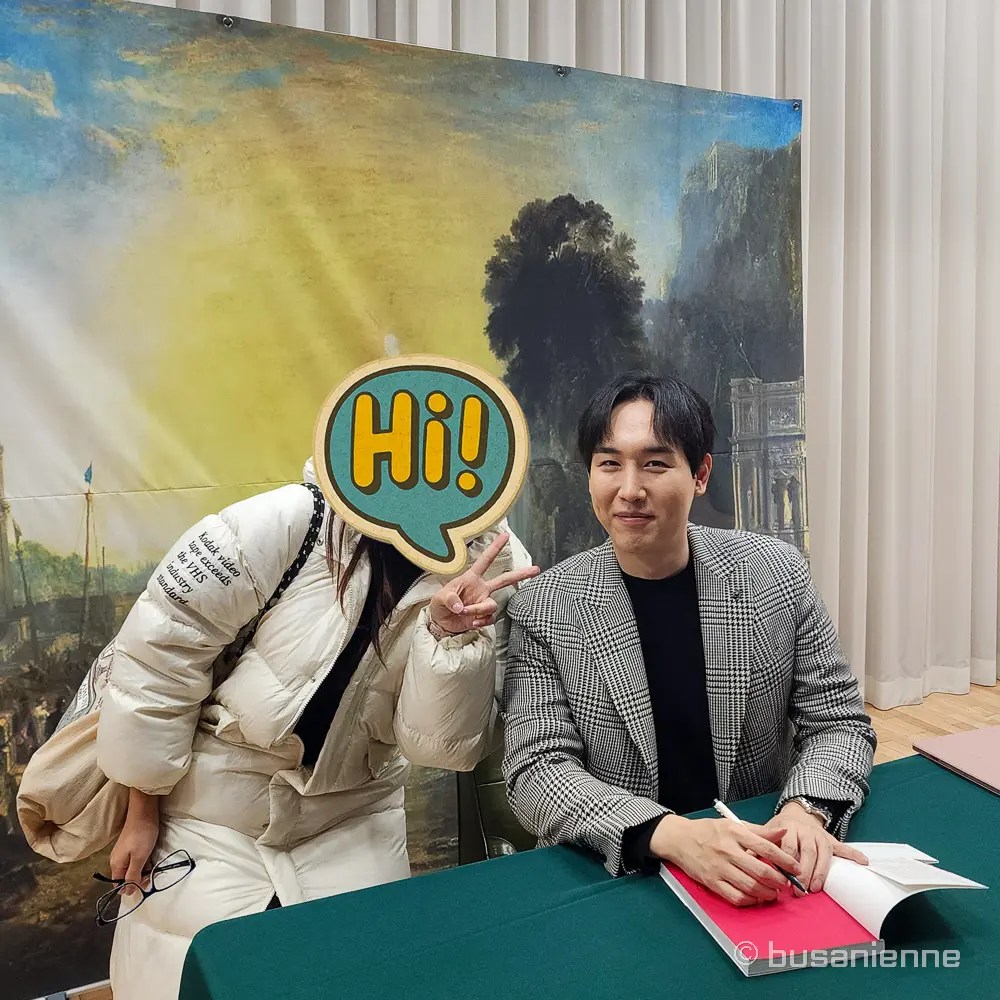

Elle a commencé par une conférence sur William Turner (et brièvement William Blake), avant de se poursuivre dans les salles, au fil des explications du guide.
─── ୨୧ ───
It began with a lecture on William Turner (and briefly, William Blake), before moving through the galleries as the docent added context to selected works.

Ce qui m’a frappée, c’est que cette exposition s’adresse à ceux qui ont envie de comprendre, pas seulement à ceux qui savent déjà.
─── ୨୧ ───
What struck me most was this: the exhibition is designed for people who want to understand, not just for those who already know.
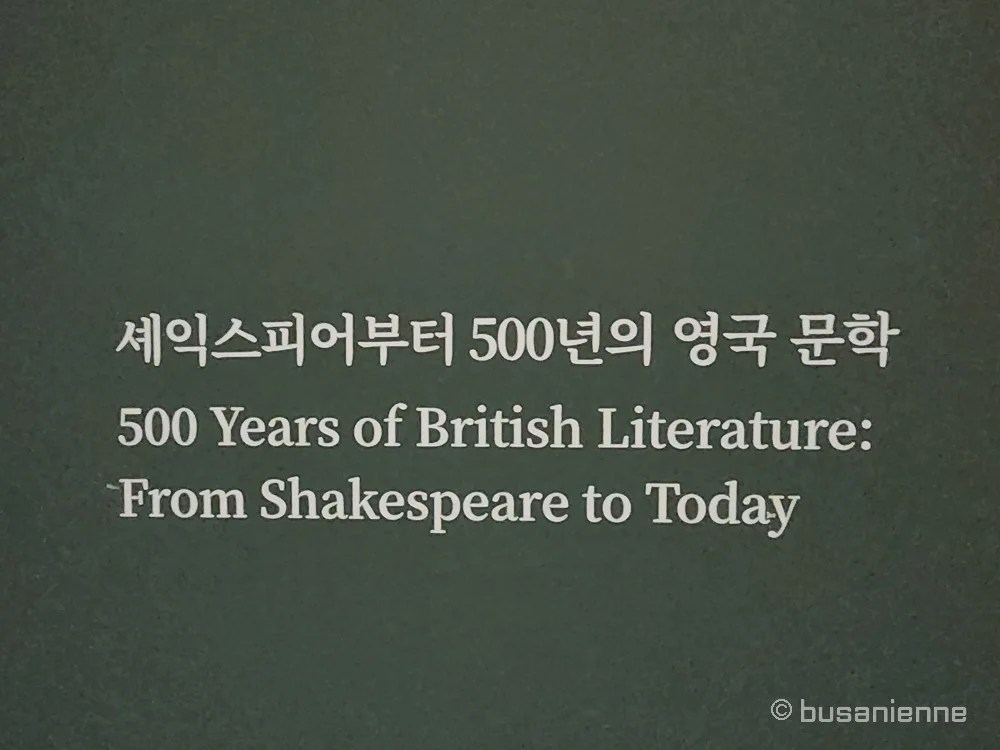
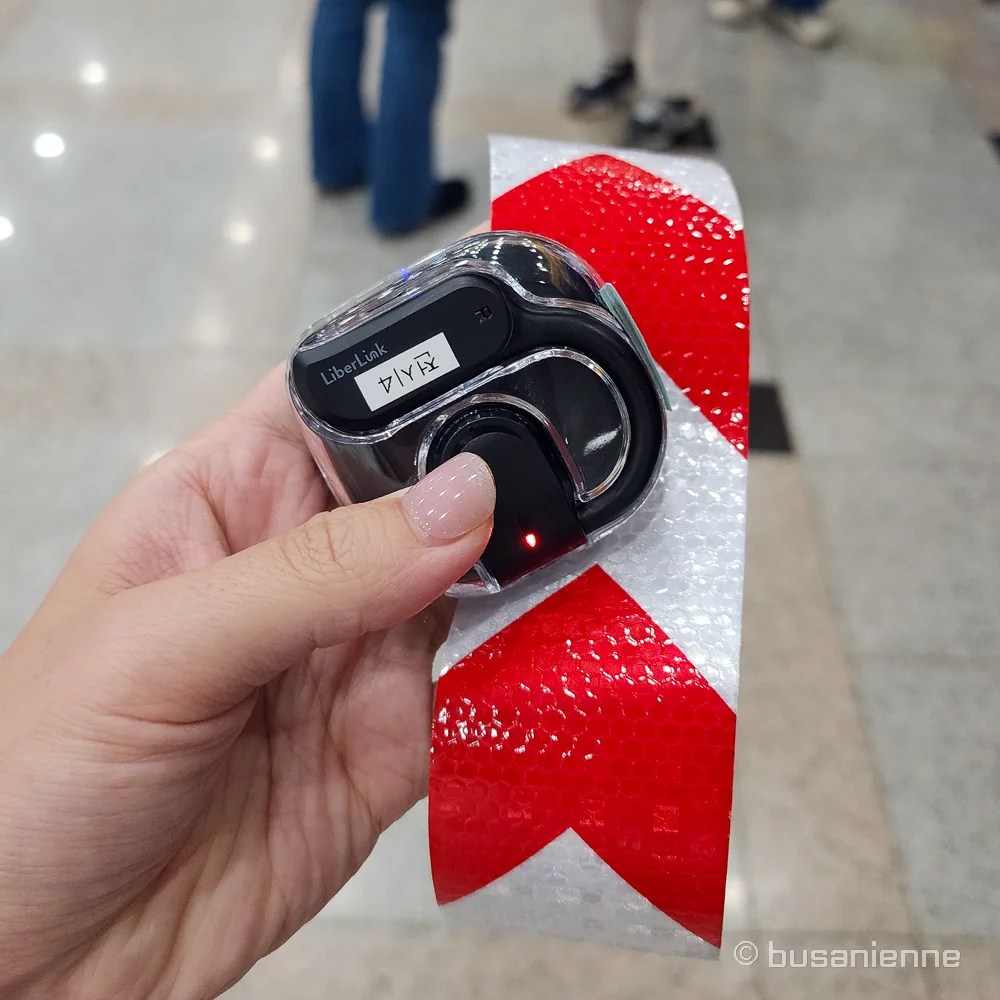
Après la visite guidée, j’ai ajouté l’audioguide et je suis restée près de trois heures, jusqu’à la fermeture.
─── ୨୧ ───
After the tour, I added the audio guide and stayed for nearly three hours, right up until closing time.
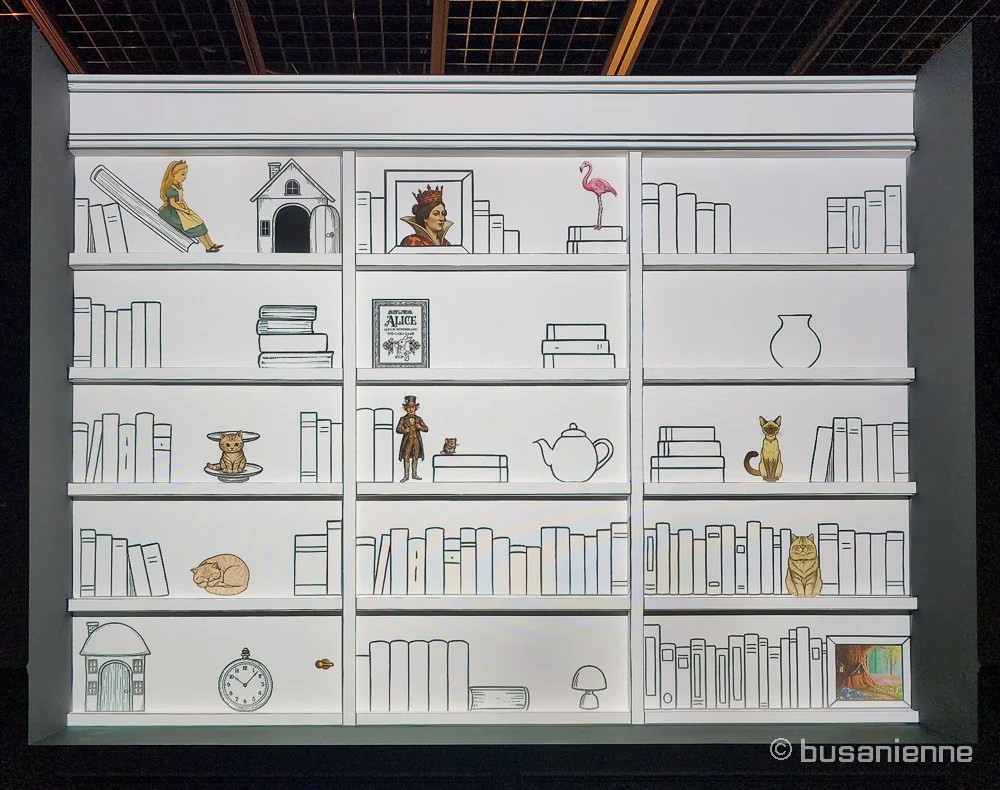
William Turner – Apprendre à regarder le brouillard / Learning to look at mist
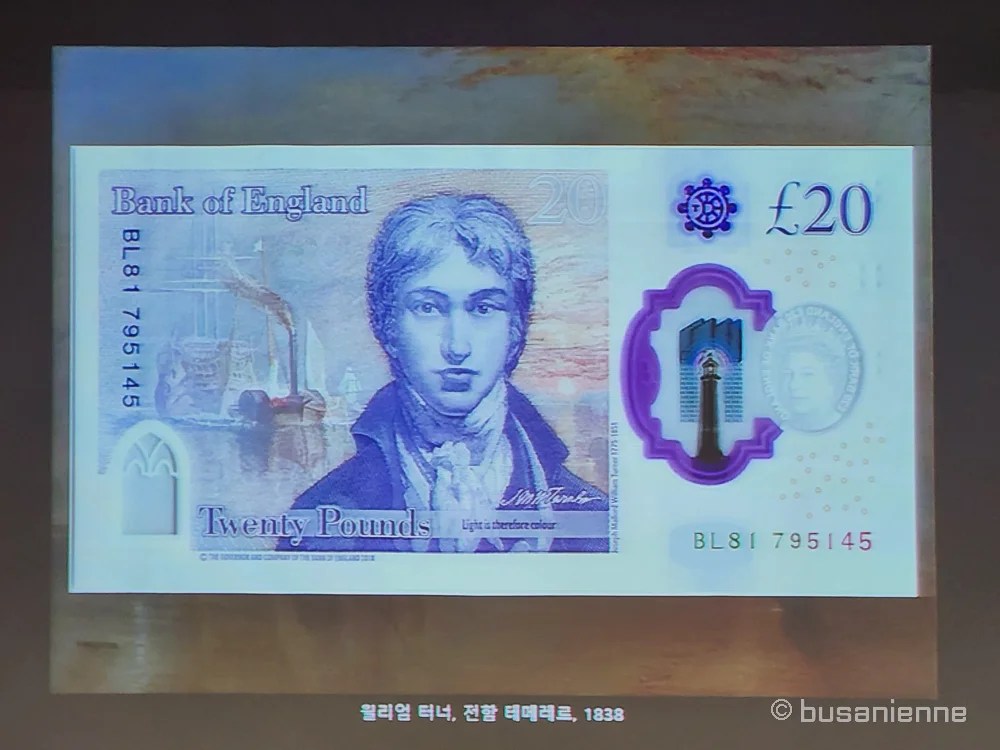
William Turner était le fil conducteur de la conférence.
Plus qu’un peintre « important », il a profondément changé notre manière de regarder.
─── ୨୧ ───
William Turner was the central thread of the lecture.
More than just an “important painter,” he fundamentally changed the way we look at painting.
Avant lui, la peinture britannique suivait le « Grand Manner » : on représentait un idéal plutôt que la réalité.
─── ୨୧ ───
Before Turner, British painting largely followed the Grand Manner: artists depicted ideals rather than reality.
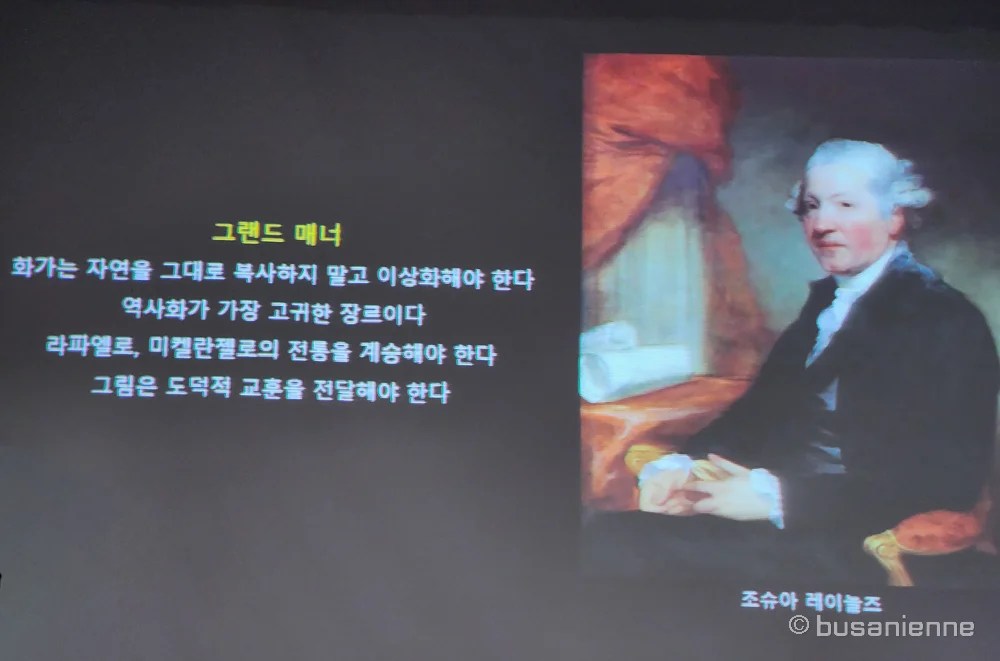
Avec Turner, tout se déplace.
Le regard suit une sensation.
─── ୨୧ ───
With Turner, everything shifts.
The eye follows sensation.

La lumière, l’air, le mouvement prennent le dessus.
Les contours se brouillent.
─── ୨୧ ───
Light, air, and movement take over.
Edges blur.
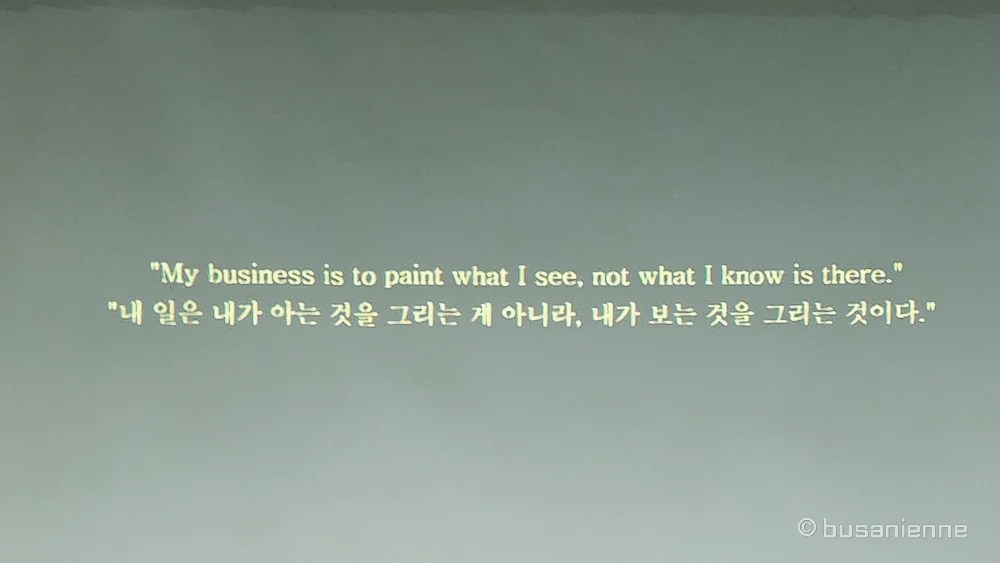
Dans ses œuvres tardives (après 1842), les formes se dissolvent encore plus.
La peinture devient presque brouillard — annonçant Monet et les impressionnistes.
─── ୨୧ ───
In his later works (especially after 1842), forms dissolve even further.
Paint turns almost into mist — foreshadowing Monet and the Impressionists.
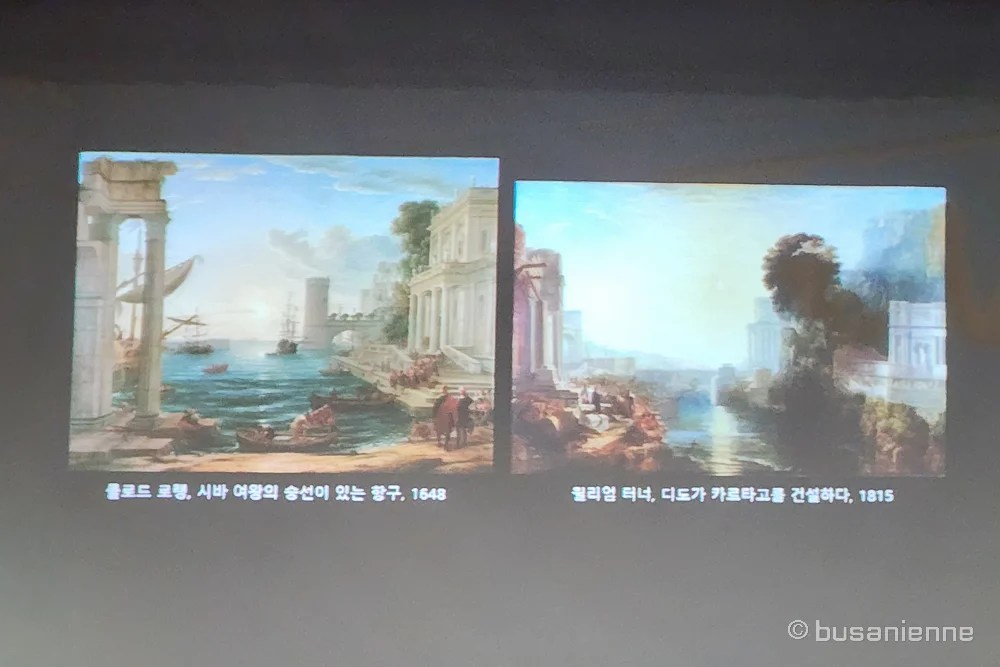
Et cette phrase, restée en tête :
─── ୨୧ ───
One sentence stayed with me long after the visit:
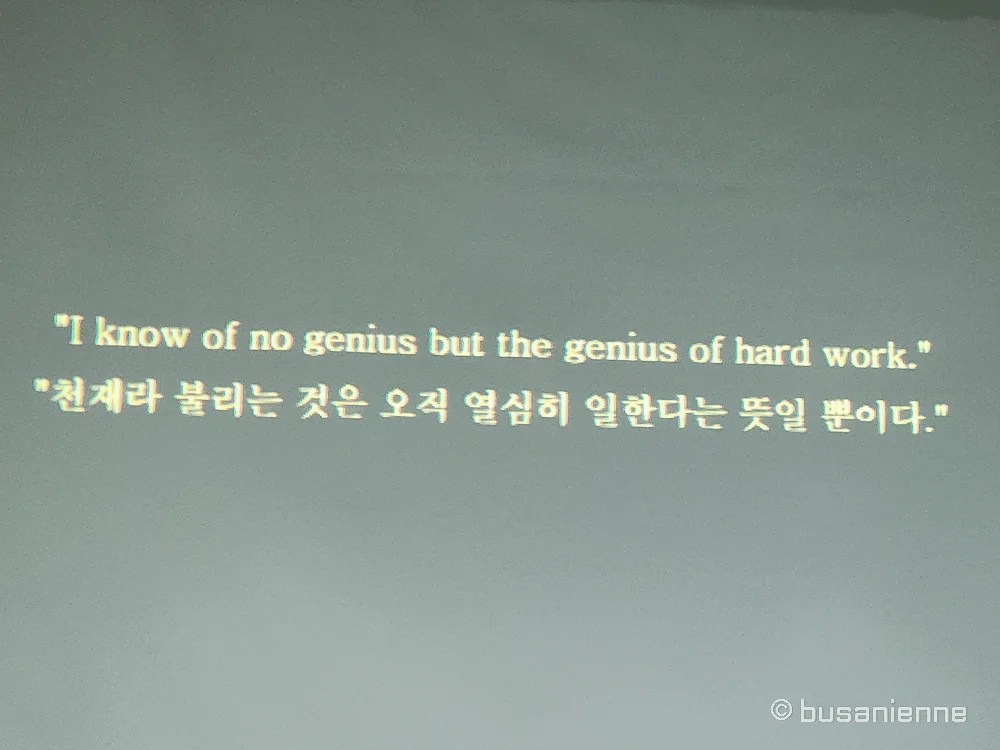
Chez Turner, le génie tient surtout à l’obstination.
─── ୨୧ ───
For Turner, genius was a matter of persistence rather than inspiration.
William Blake – Une présence qui dérange / A disturbing presence

William Blake apparaît brièvement, en contrepoint de Turner.
Son univers, peu développé dans le parcours, ne m’a pas particulièrement marquée — si ce n’est une image, celle d’un dragon rouge.
─── ୨୧ ───
William Blake appears briefly, in contrast to Turner.
His universe isn’t explored in depth, and didn’t particularly stay with me — except for a single image: a red dragon.

Il ne semblait pas être au cœur de cette exposition.
─── ୨୧ ───
He didn’t seem to be at the heart of this exhibition.
Le portrait comme relation / Portraits as relationships

Le parcours s’ouvre sur le portrait de John Keats, peint par Joseph Severn — après sa mort.
Sans le guide, je n’aurais jamais su.
─── ୨୧ ───
The exhibition opens with a portrait of John Keats, painted by Joseph Severn after Keats’s death.
Without the guide, I would never have known.

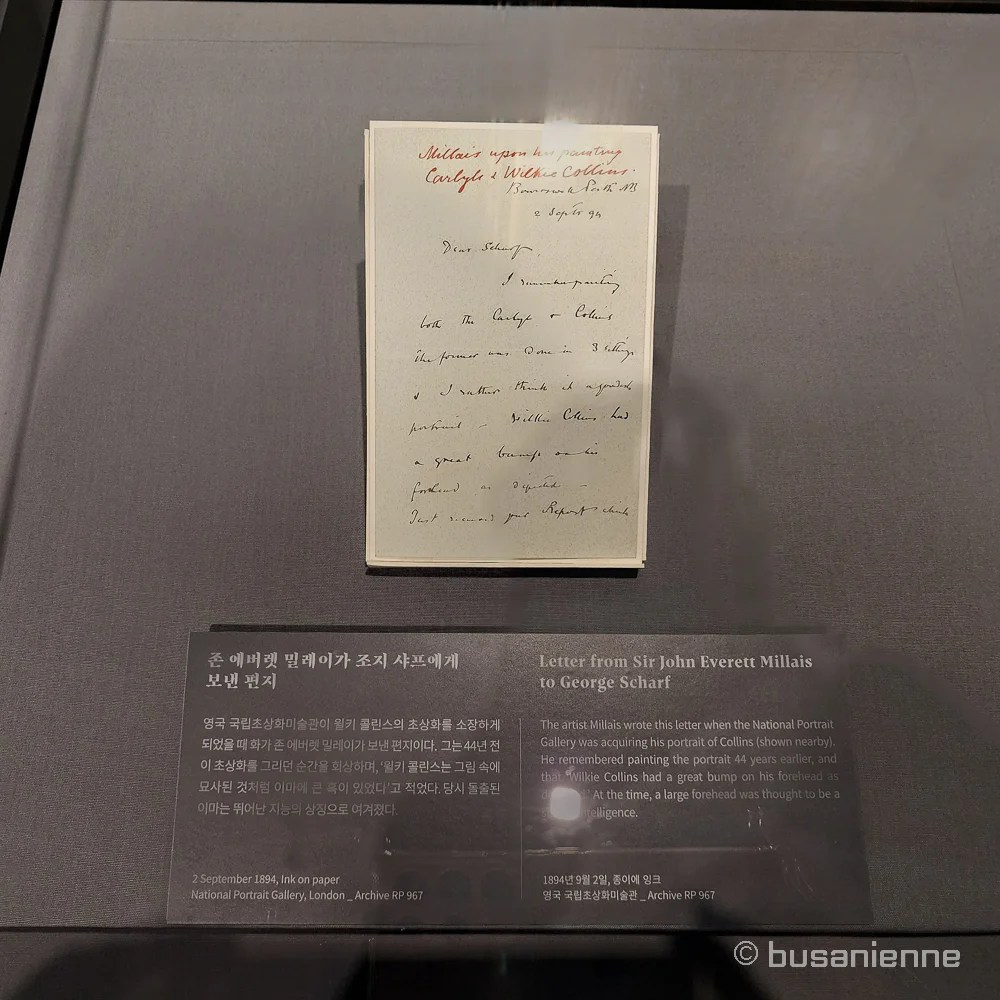

Ce visage n’est pas une représentation prise sur le vif, mais un souvenir reconstitué.
On ne regarde pas un modèle, mais la mémoire qu’un ami a gardée.
─── ୨୧ ───
This is not a face captured from life, but a reconstructed memory.
We are not looking at a model, but at what a friend remembered.
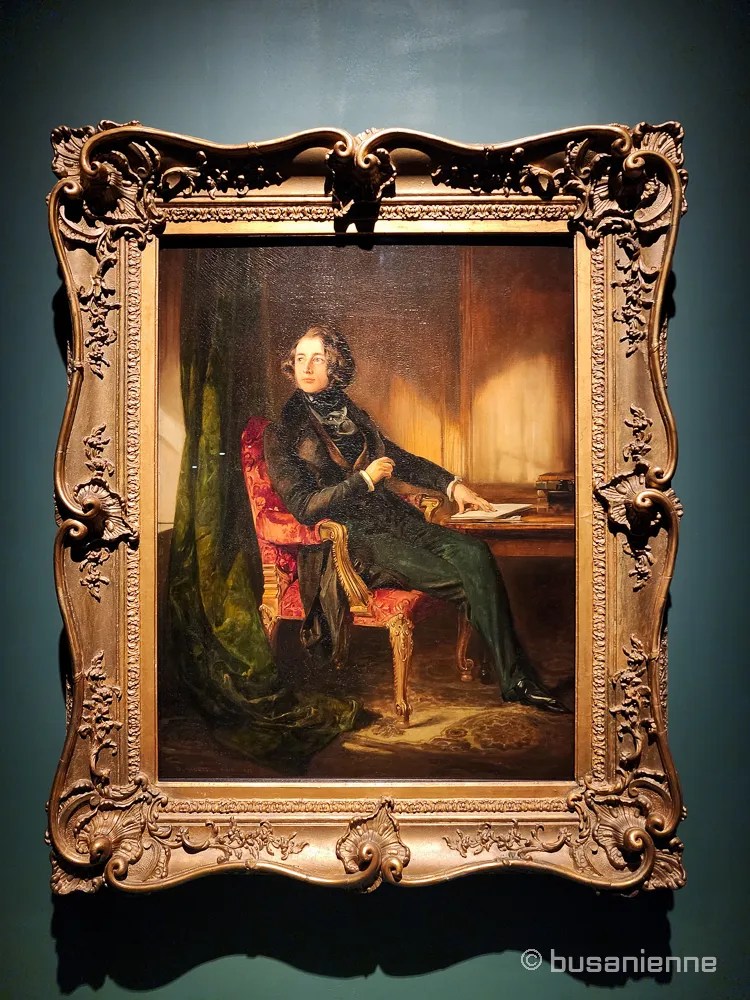
Chez Charles Dickens, le portrait dialogue avec les manuscrits.
─── ୨୧ ───
With Charles Dickens, the portrait enters into dialogue with manuscripts.


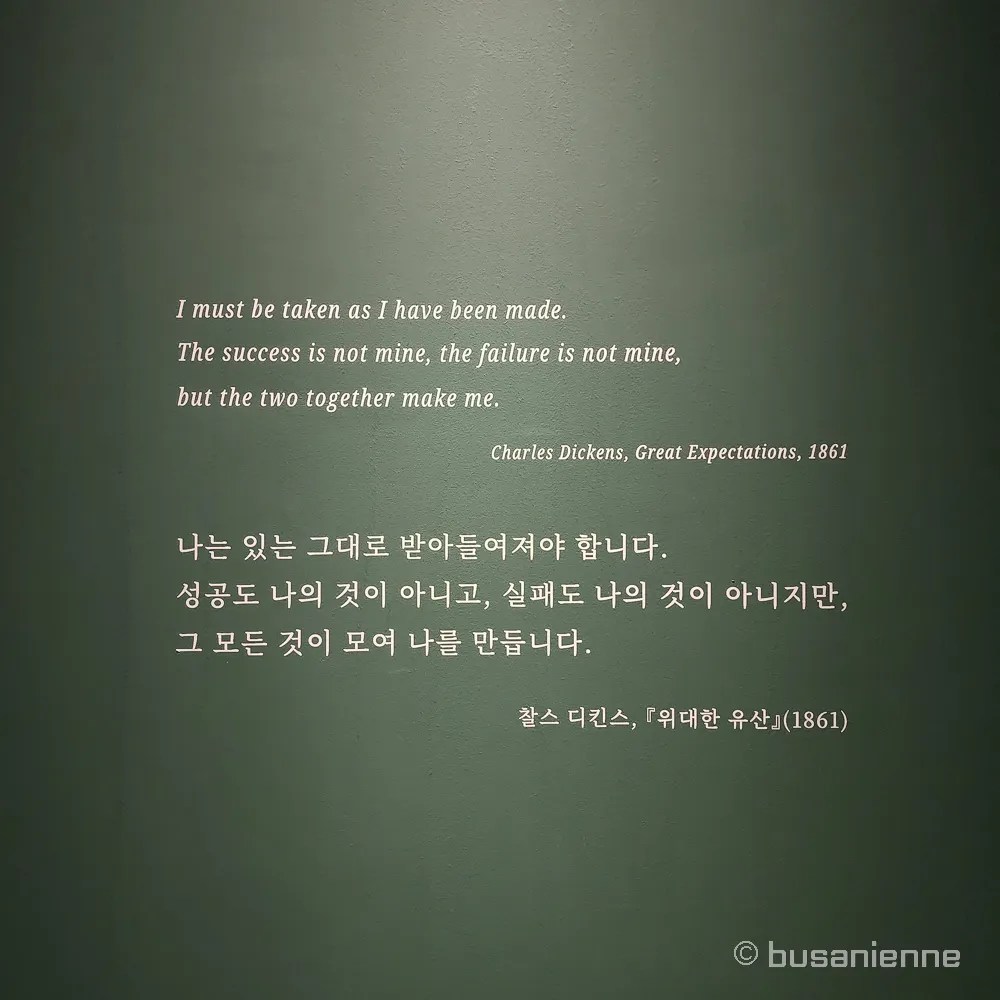
Voir son écriture et son visage en même temps rend l’auteur soudain très concret.
─── ୨୧ ───
Seeing his handwriting alongside his face suddenly makes the author feel very real.
Le portrait de T.S. Eliot, peint par Patrick Heron dans un style semi-abstrait, semble fait pour ne pas se livrer.
─── ୨୧ ───
The portrait of T.S. Eliot, painted by Patrick Heron in a semi-abstract style, seems deliberately resistant.

Même après coup, il continue de me dérouter.
C’est précisément là que les explications prennent tout leur sens.
─── ୨୧ ───
Even now, it continues to puzzle me — which is precisely where the explanations become essential.
Dylan Thomas – Un visage étonnamment vivant / A strikingly vivid face
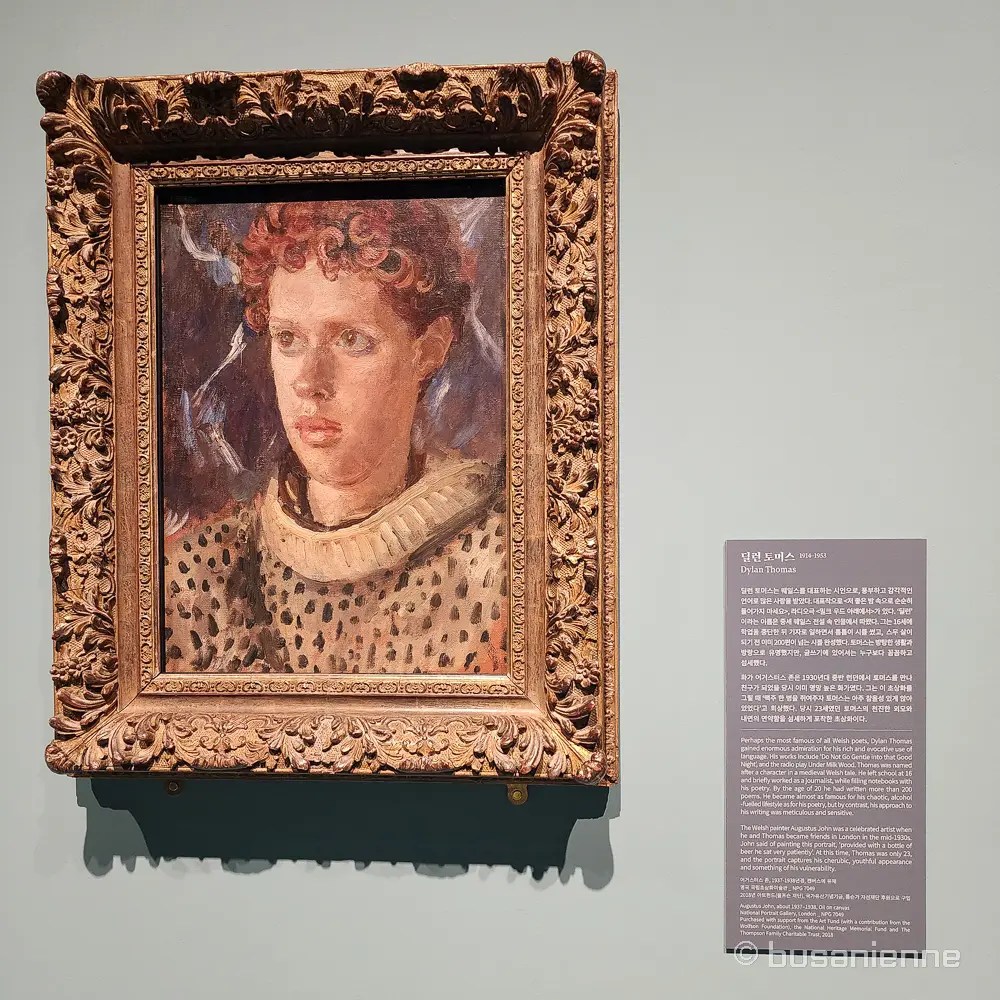
Devant le portrait de Dylan Thomas peint par Augustus John, le guide lit à voix haute Do not go gentle into that good night —
le poème adressé à son père qui perdait la vue.
─── ୨୧ ───
In front of the portrait of Dylan Thomas painted by Augustus John, the guide reads aloud Do not go gentle into that good night —
the poem addressed to his father as he was losing his sight.
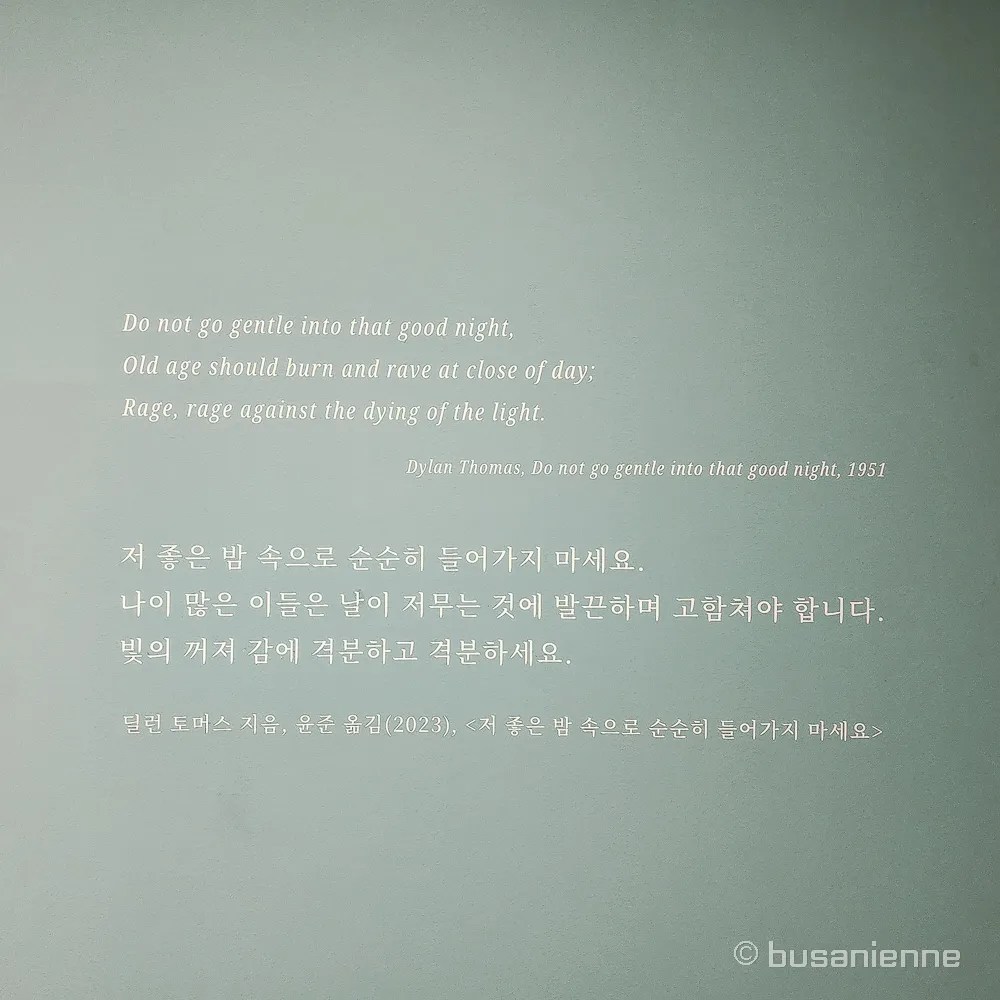
Je ne connaissais pas vraiment Dylan Thomas avant cette visite, et pourtant, ce moment reste l’un des plus marquants.
─── ୨୧ ───
I wasn’t particularly familiar with Dylan Thomas before this visit, and yet this moment remains one of the most memorable.
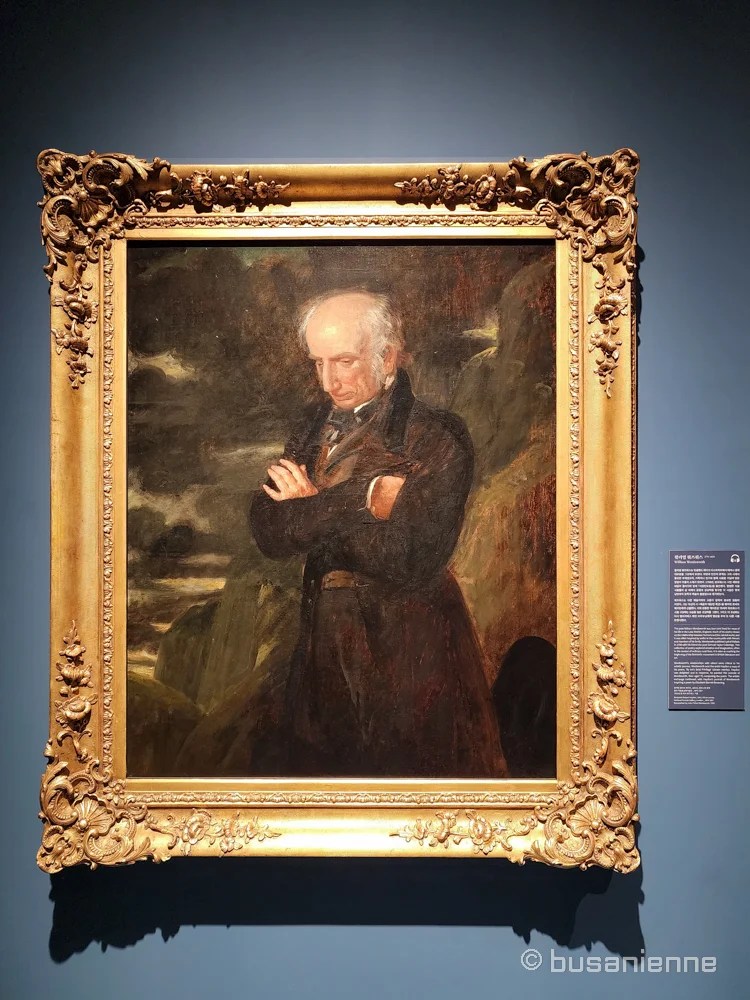
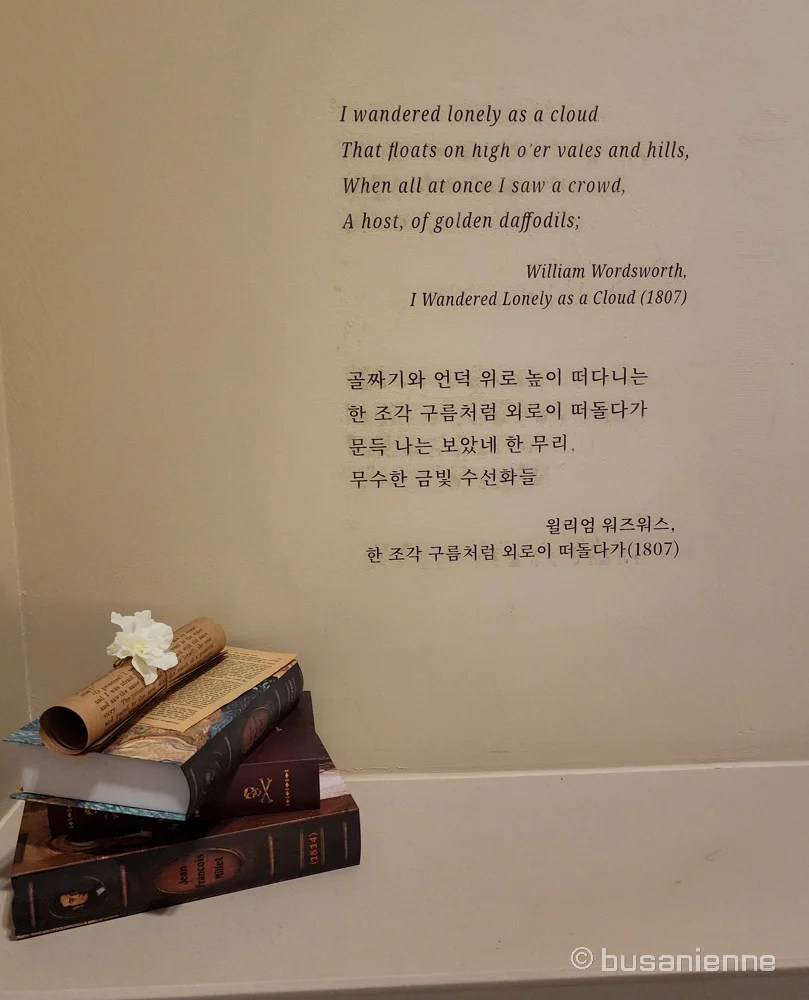
Dans ce post, j’ai choisi de m’attarder sur les œuvres que le guide a éclairées.
Le reste du parcours, je le laisse aux images.
─── ୨୧ ───
In this post, I’ve chosen to focus on the works the guide highlighted.
The rest of the exhibition, I leave to the images themselves.

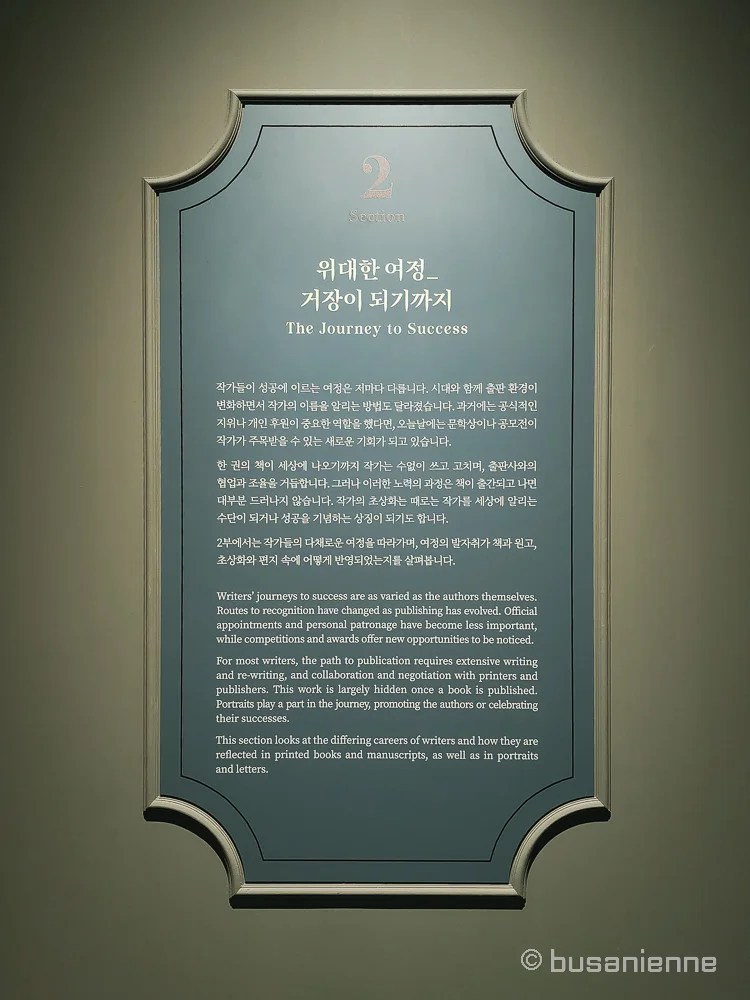
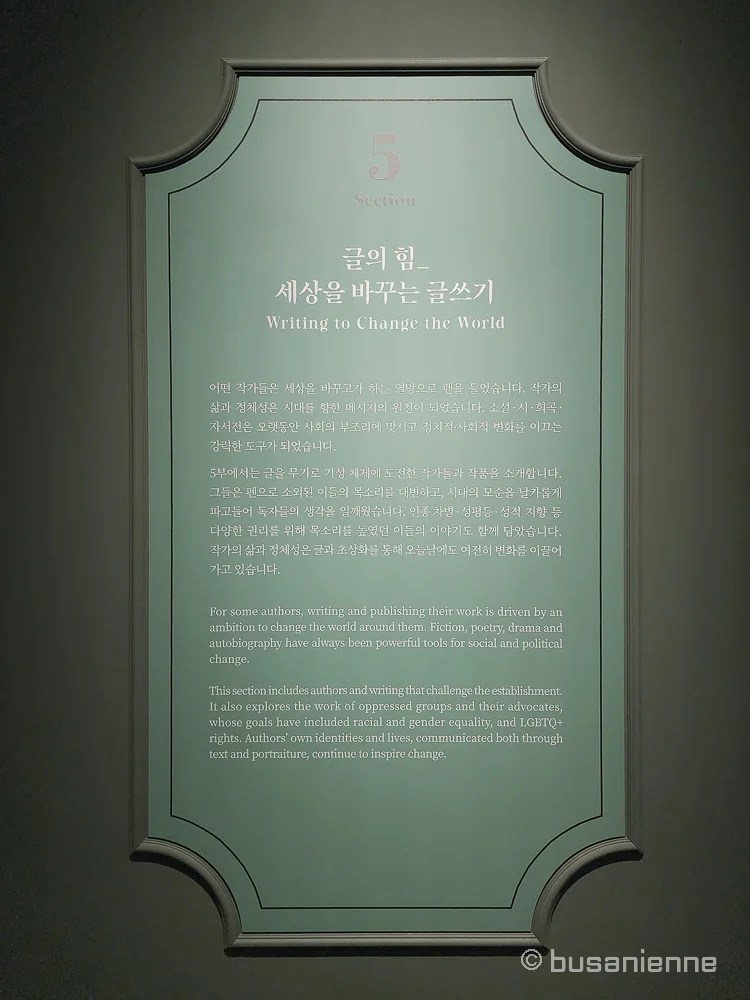

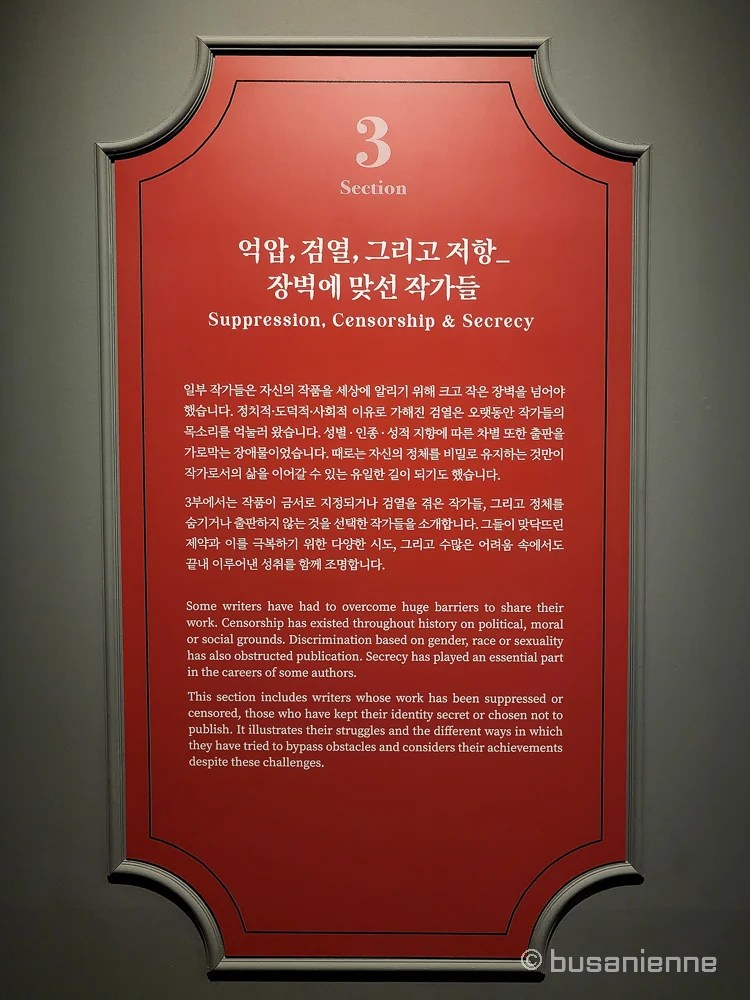
Jan Morris – Une vie en mouvement / A life in motion
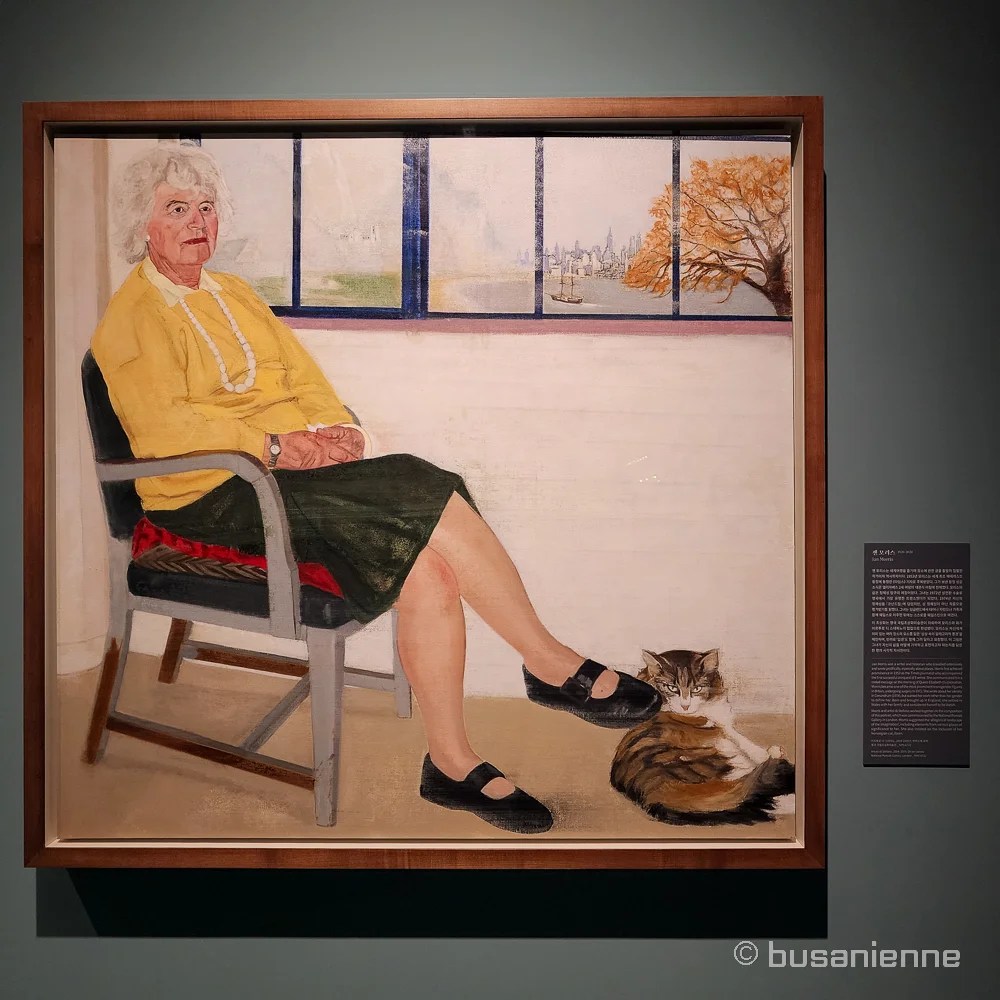
Ancienne journaliste, grande voyageuse et écrivaine prolifique, Jan Morris est représentée entourée des lieux qui ont marqué sa vie : Venise, l’Everest — et même un chat. 😺
Sans le guide, je n’aurais jamais su qu’elle avait été la première journaliste à couvrir l’ascension de l’Everest, ni qu’elle avait vécu une transition de genre dans les années 1970.
─── ୨୧ ───
A former journalist, prolific writer, and great traveler, she is depicted surrounded by places that shaped her life: Venice, Everest — and even a cat.
Without the guide, I would never have known she was the first journalist to report on the ascent of Everest, nor that she underwent gender transition in the 1970s.

Elle n’est pas ce qu’on appellerait une figure « centrale » de la littérature britannique.
Et pourtant, son portrait raconte un parcours fascinant — une vie en mouvement, un visage qui avance.
─── ୨୧ ───
She may not be considered a “central” figure in British literature, and yet her portrait tells a fascinating story — a life in motion, a face moving forward.
Salman Rushdie – La couleur d’un monde / The color of a world

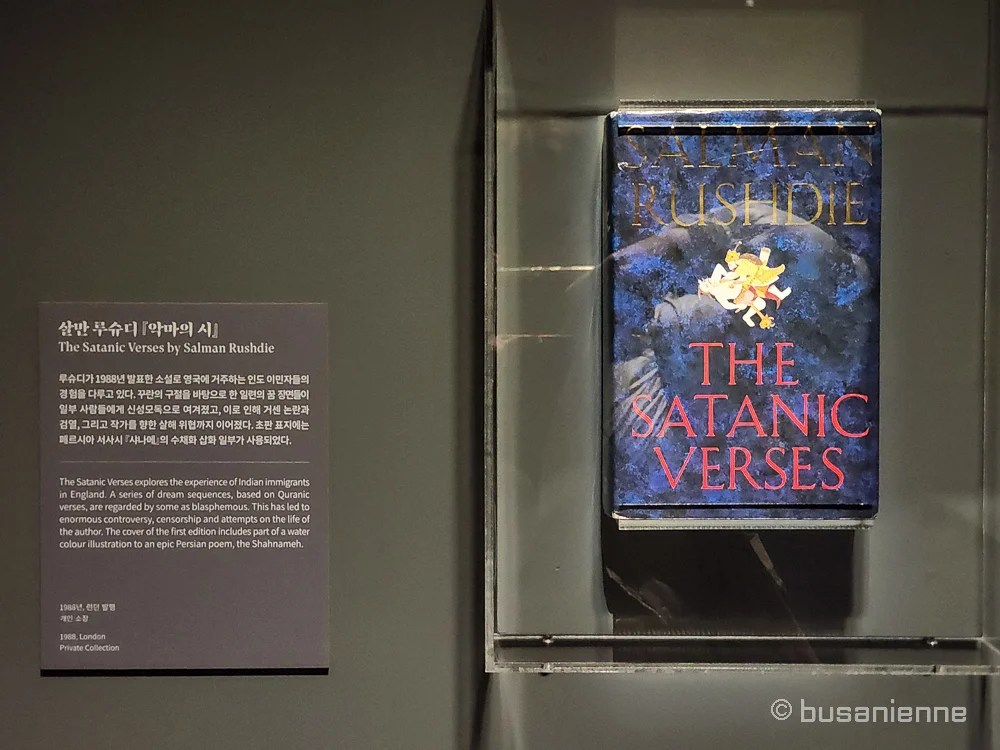
Le portrait de Salman Rushdie, peint par Bhupen Khakhar, m’a littéralement arrêtée.
Le format imposant, les couleurs vives — turquoise éclatant, ocre orangé — créent une impression presque tridimensionnelle malgré la surface plane.
Ce n’est pas un portrait classique.
C’est un tableau vibrant, moderne, où l’on sent toute la complicité entre le peintre et son modèle.
─── ୨୧ ───
The portrait of Salman Rushdie, painted by Bhupen Khakhar, stopped me in my tracks.
The large scale and vivid colors — bright turquoise, warm ochre — create an almost three-dimensional effect despite the flat surface.
This is not a traditional portrait.
It’s vibrant and modern, and you sense a real closeness between painter and subject.
Plus qu’une représentation, c’est un témoignage d’amitié !
Deux figures singulières qui se rencontrent.
On a envie d’en imaginer l’histoire derrière. 🙂
─── ୨୧ ───
More than a representation, it feels like a record of friendship. 😍
Two singular figures, meeting.
It makes you want to imagine the story behind it. Really! 🙂
Arthur Conan Doyle – Quand un héros prend trop de place / When a hero takes up too much space

Devant le portrait d’Arthur Conan Doyle, j’ai souri. 🙂
Impossible de ne pas penser à Sherlock Holmes — ce personnage devenu plus célèbre que son créateur.
Doyle a voulu s’en détacher, allant jusqu’à faire mourir son héros.
Mais les lecteurs ont exigé sa résurrection.
─── ୨୧ ───
Standing in front of Arthur Conan Doyle’s portrait, I smiled.
It’s impossible not to think of Sherlock Holmes — a character who became more famous than his creator.
Doyle tried to move on, even killing off his hero, only to bring him back under pressure from readers.
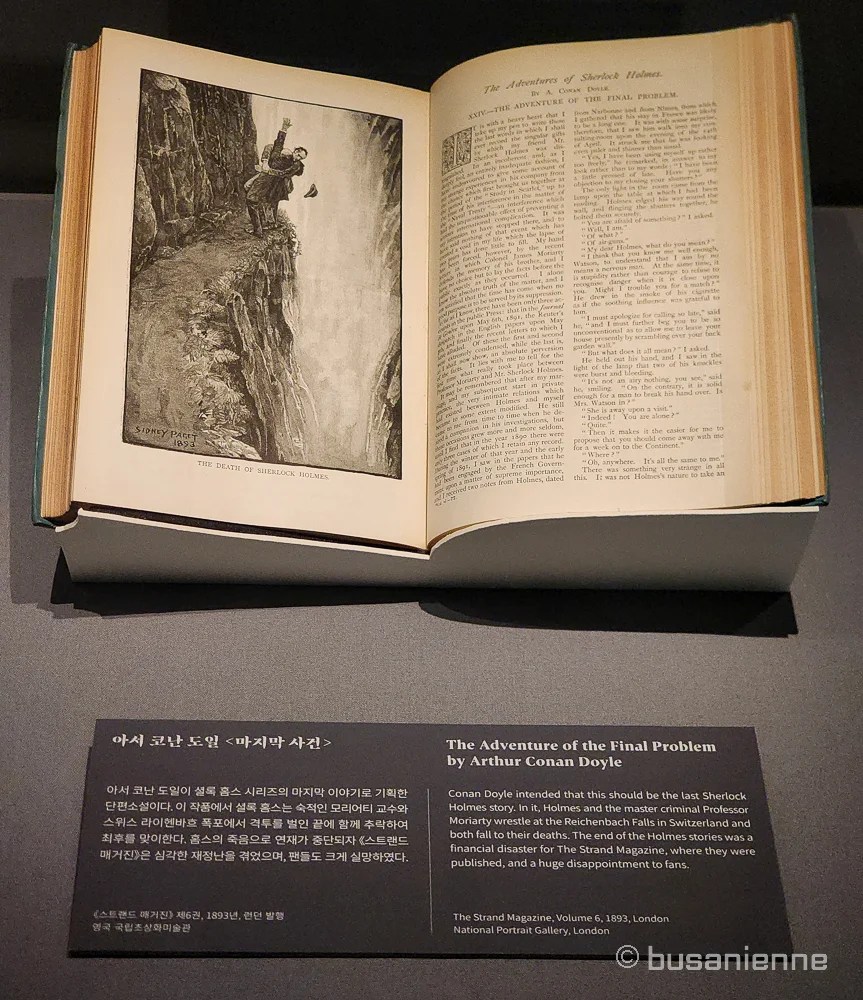
Parfois, un immense succès empêche d’avancer.
L’œuvre la plus connue finit par dévorer tout le reste.
─── ୨୧ ───
Sometimes, overwhelming success makes it hard to move forward.
A single work can end up devouring everything else.

Jane Austen – Le visage le plus fragile / The most fragile face
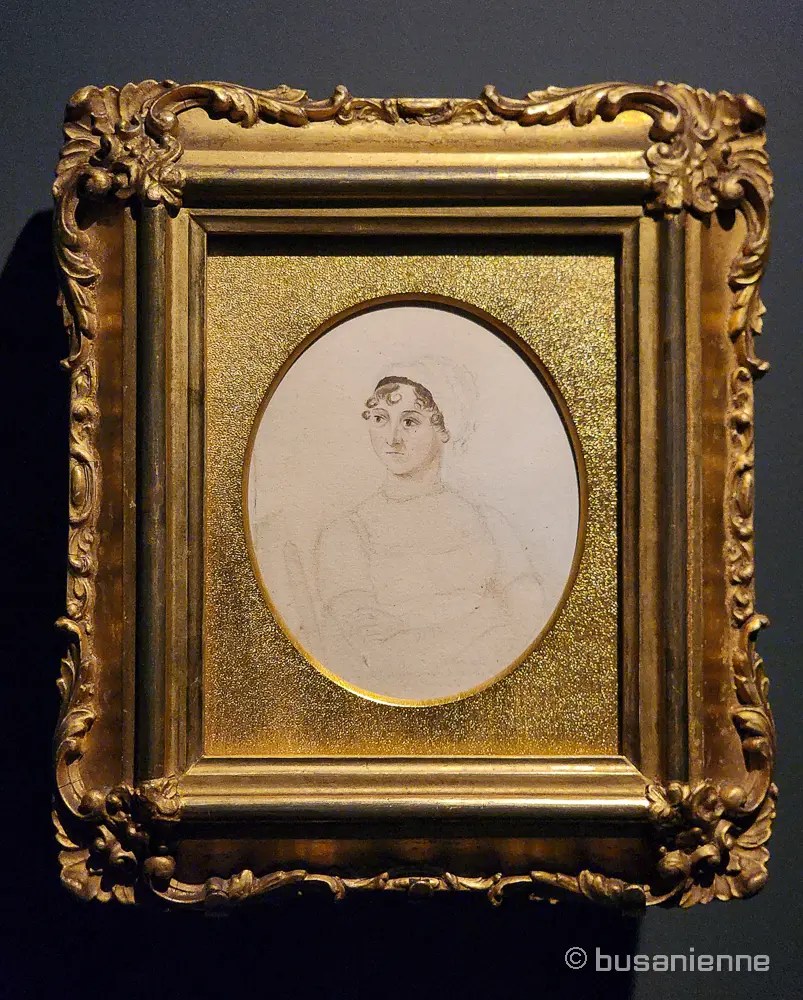
Le portrait de Jane Austen est protégé derrière une vitre.
─── ୨୧ ───
Jane Austen’s portrait is protected behind glass.
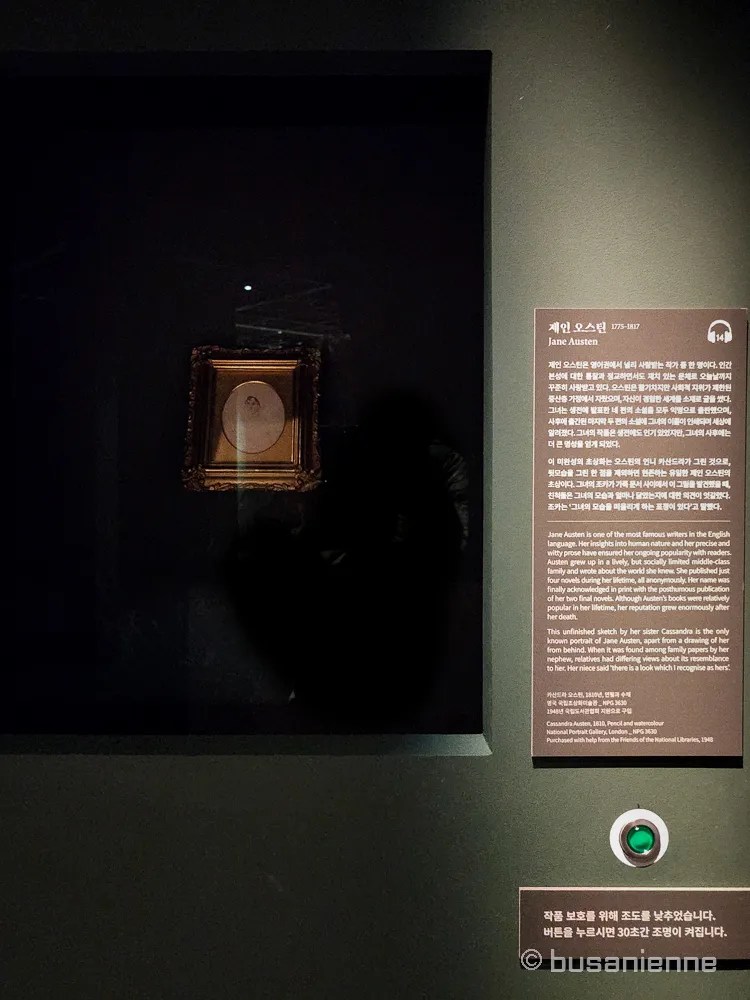
Pour le voir, il faut appuyer sur un bouton : la lumière s’allume quelques secondes, puis s’éteint.
─── ୨୧ ───
To see it, you press a button. 🟢
The light comes on for a few seconds, then fades.
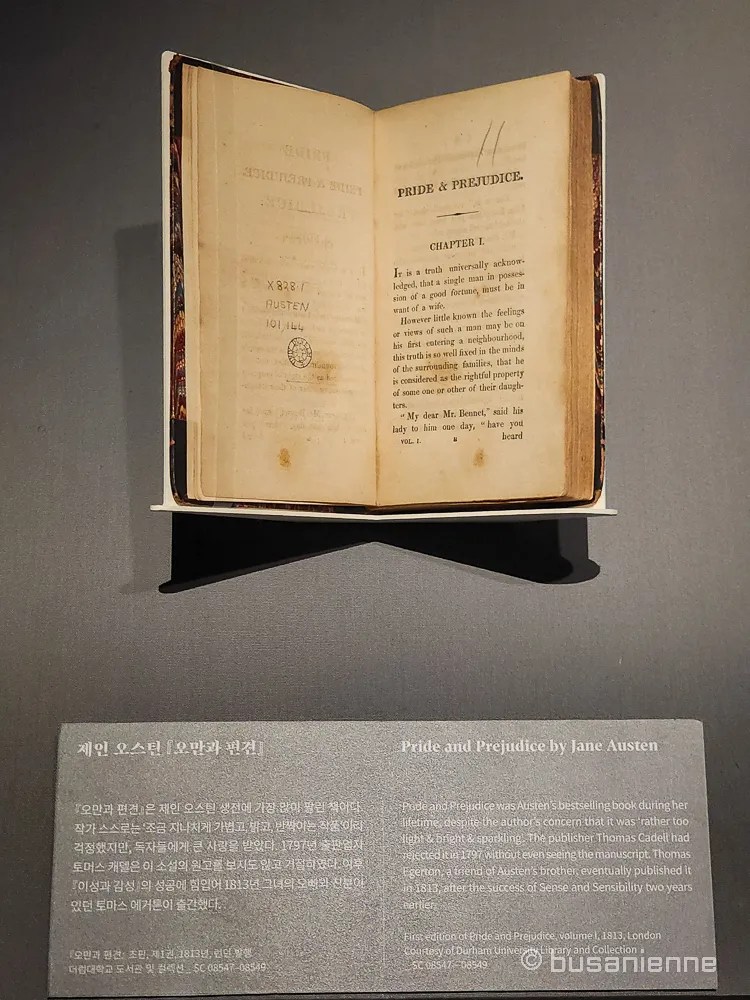
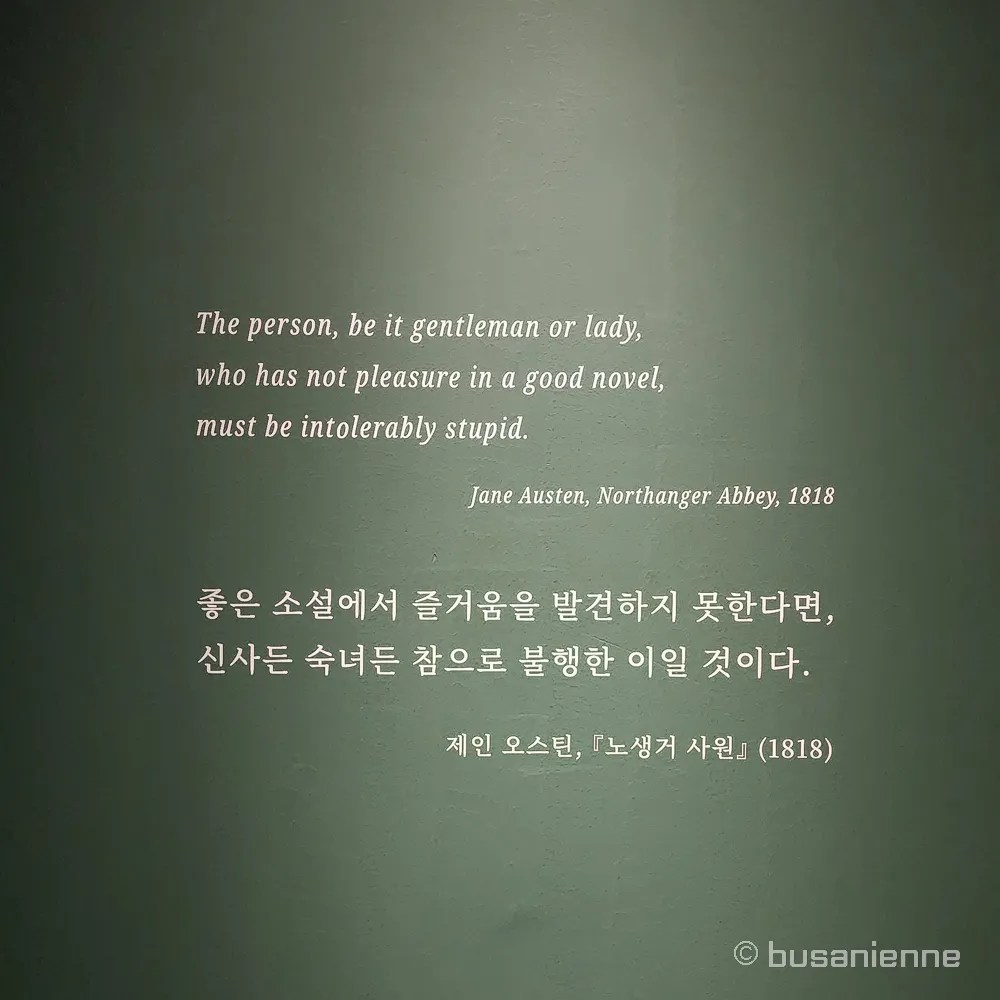
Le dessin est d’une grande délicatesse — presque effacé, comme une esquisse à peine affirmée.
─── ୨୧ ───
The drawing is extraordinarily delicate — almost erased, like a barely-there sketch.
Shakespeare – Trop familier pour être vraiment vu / Too familiar to truly see

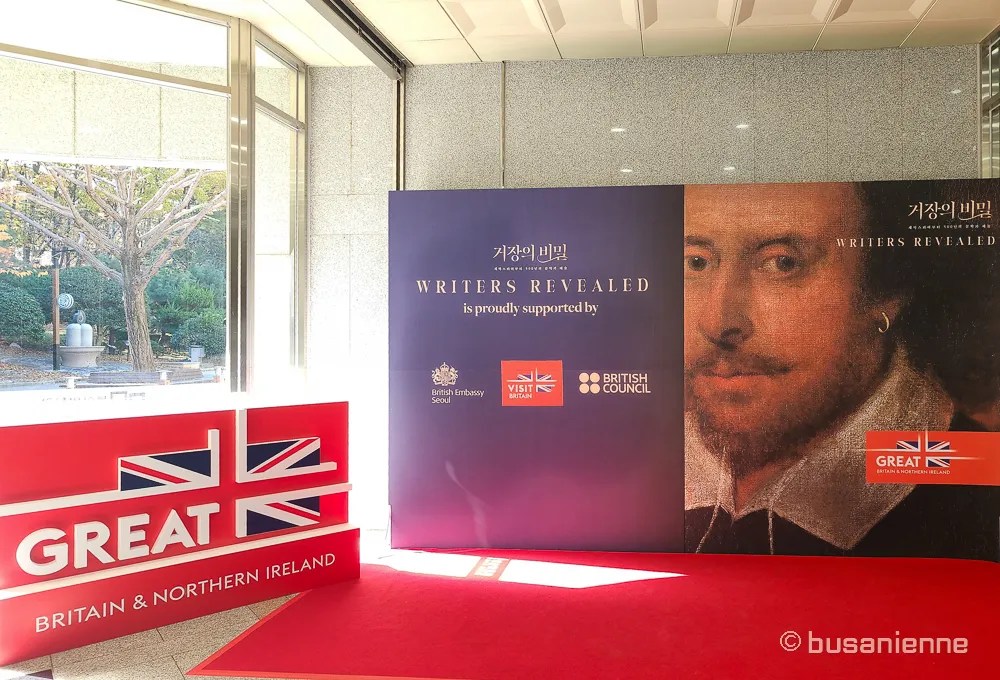
Juste à côté se trouve un portrait de Shakespeare.
Un visage que l’on croit connaître par cœur.
Et pourtant, j’ai remarqué un détail pour la première fois : une boucle d’oreille !
Comment ai-je pu passer à côté si longtemps ? 😅
─── ୨୧ ───
Just next to it hangs a portrait of Shakespeare.
A face we think we know by heart.
And yet, for the first time, I noticed a small detail: an earring.
How had I missed it for so long?
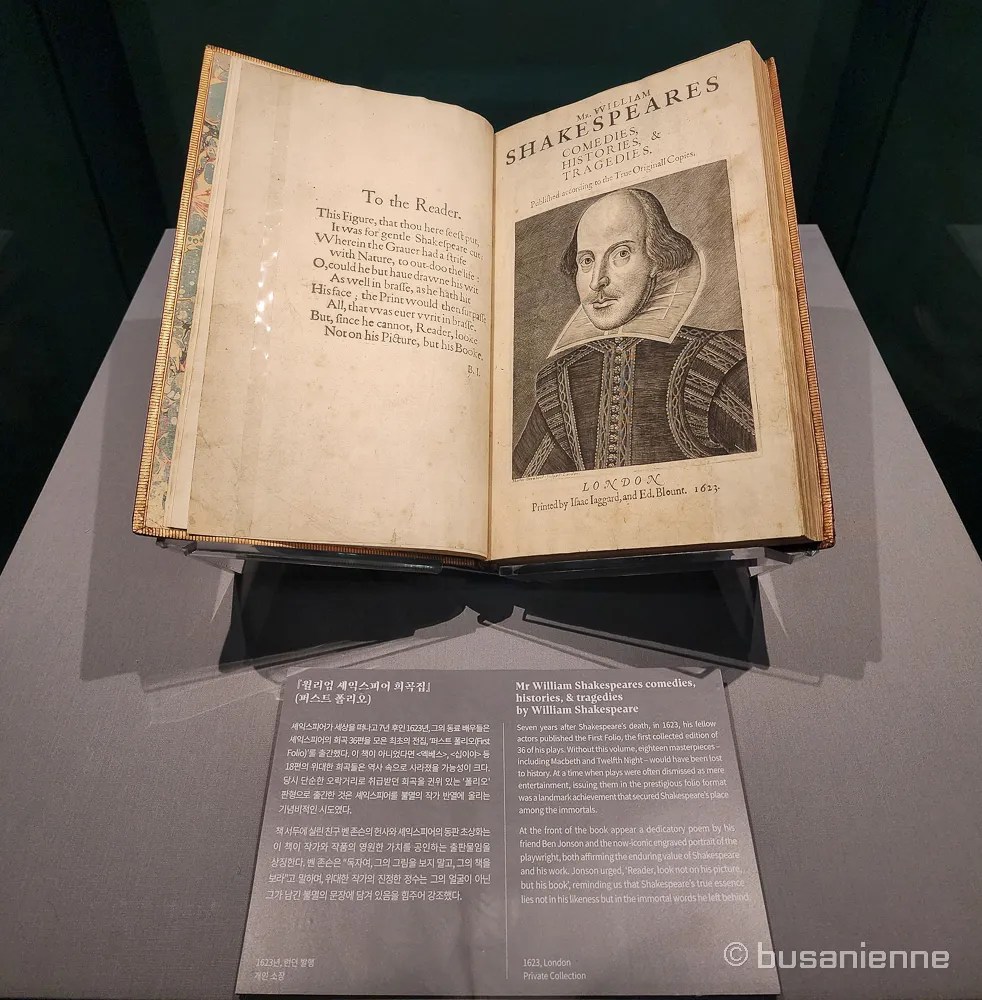
Ironie supplémentaire : on ne sait même pas si ce portrait lui ressemble vraiment.
Avec le temps, ce visage est peut-être devenu une image plus qu’un individu.
─── ୨୧ ───
The irony is this:
we don’t even know whether the portrait truly resembles him.
Over time, this face may have become an image rather than an individual.
Thomas More – Un visage qui a déjà choisi / A face that had already chosen
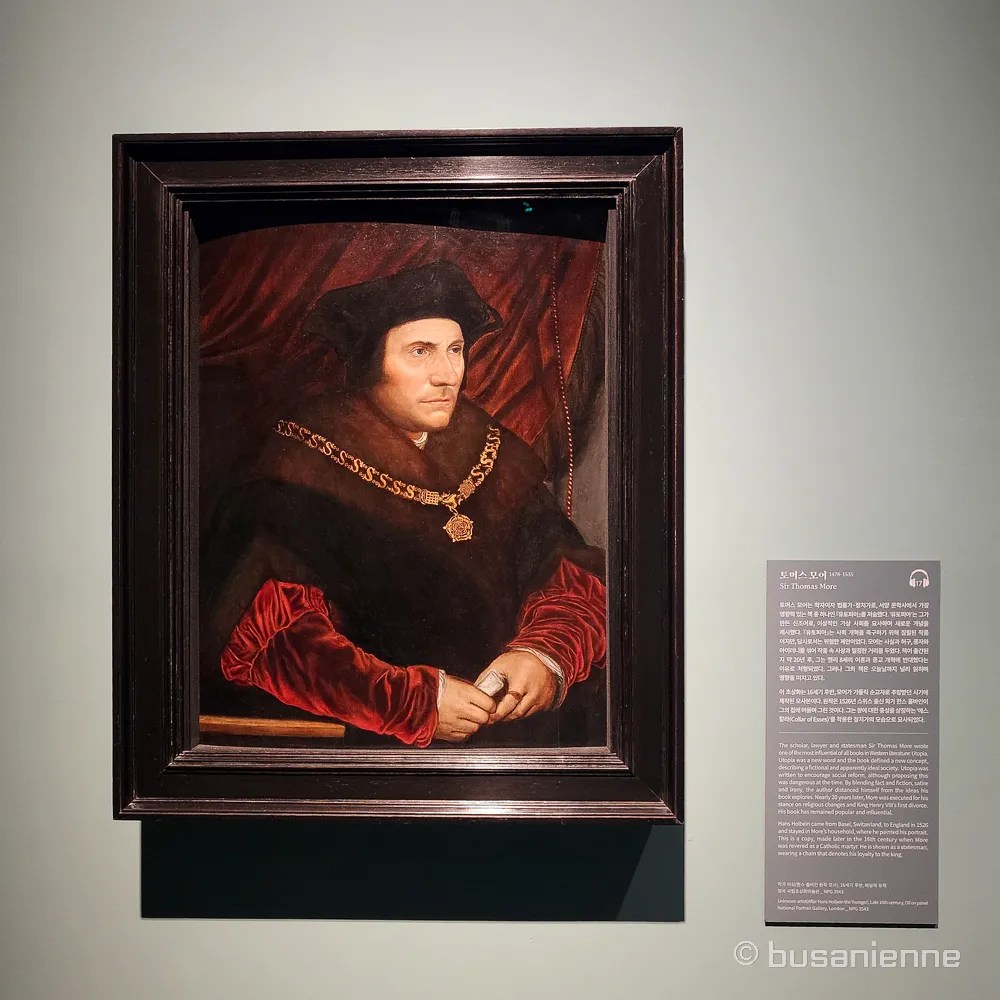
Le portrait de Thomas More, peint par Hans Holbein, frappe par sa sérénité.
Pourtant, l’histoire racontée devant ce tableau est tout sauf paisible.
─── ୨୧ ───
The portrait of Thomas More, painted by Hans Holbein, is striking in its serenity.
And yet, the story told in front of it is anything but peaceful.
More a refusé de reconnaître Henri VIII comme chef de l’Église d’Angleterre.

Il a été condamné pour trahison et exécuté.
On rapporte qu’il aurait déclaré : « Je meurs le bon serviteur du roi, mais de Dieu d’abord. »
Face à ce portrait, cette phrase prend tout son sens.
─── ୨୧ ───
More refused to recognize Henry VIII as head of the Church of England.
He was convicted of treason and executed.
It is said that he declared:
“I die the King’s good servant, but God’s first.”
Standing before this portrait, the sentence suddenly makes sense.
Conclusion – Au-delà des œuvres / Beyond the works
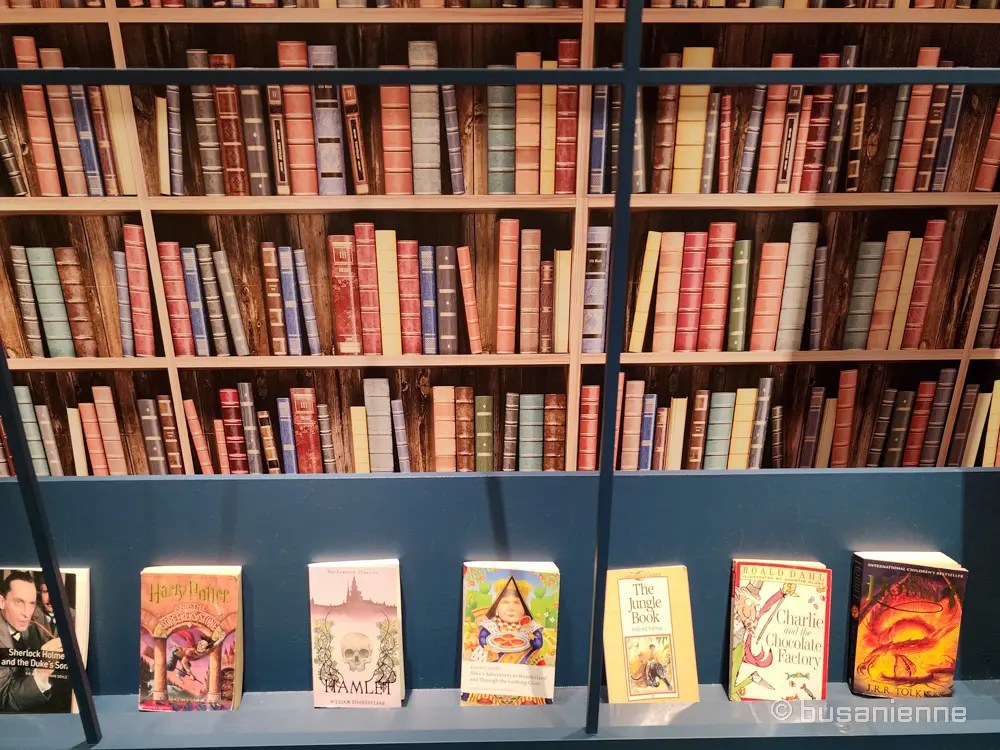
Plus j’avançais dans l’exposition, plus une chose devenait claire :
« Writers Revealed » n’est pas une simple galerie de portraits célèbres.
─── ୨୧ ───
As I moved through the exhibition, one thing became increasingly clear:
The Writers Revealed is not simply a gallery of famous portraits.
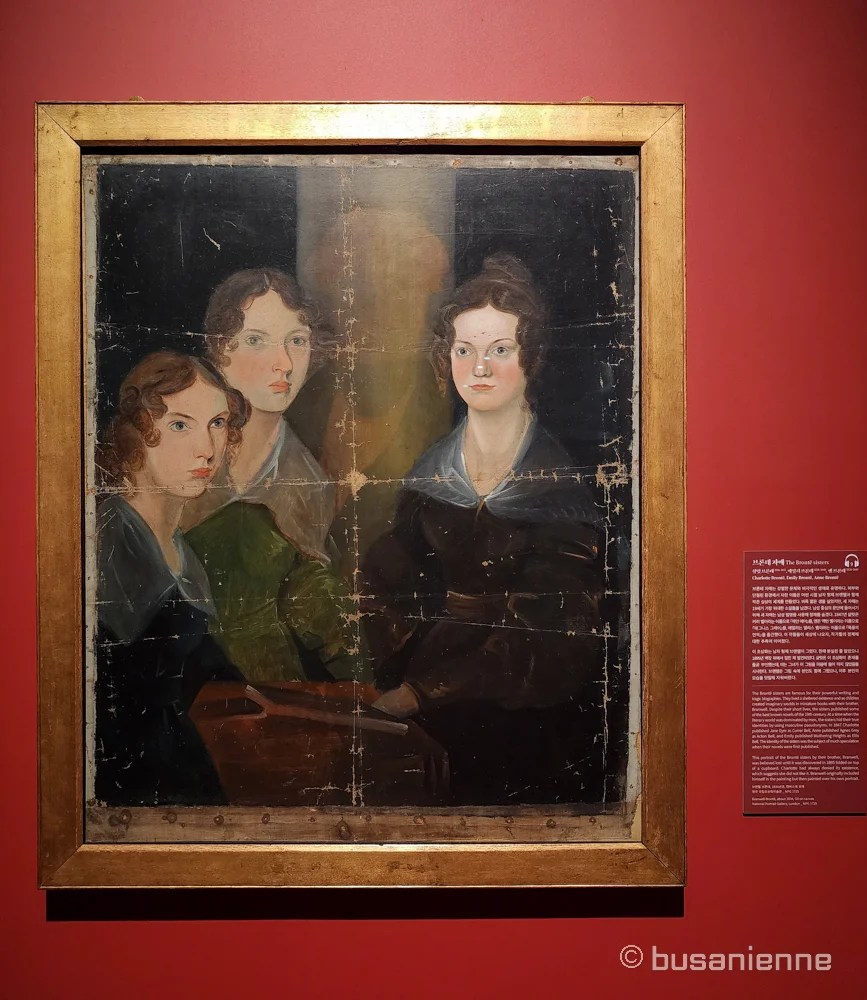
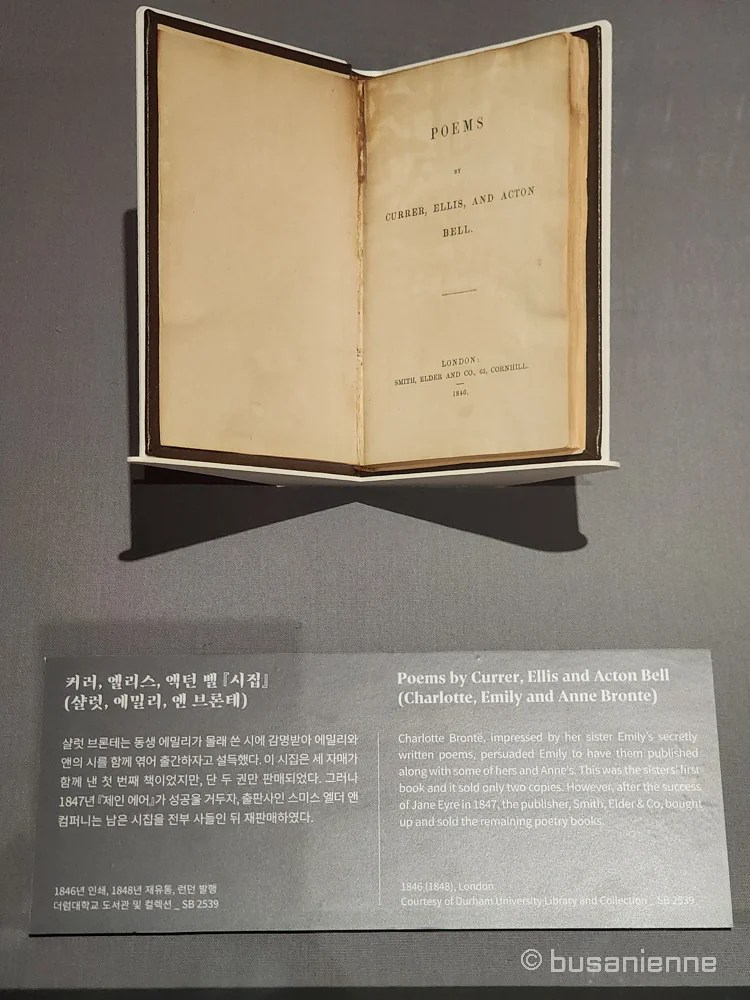
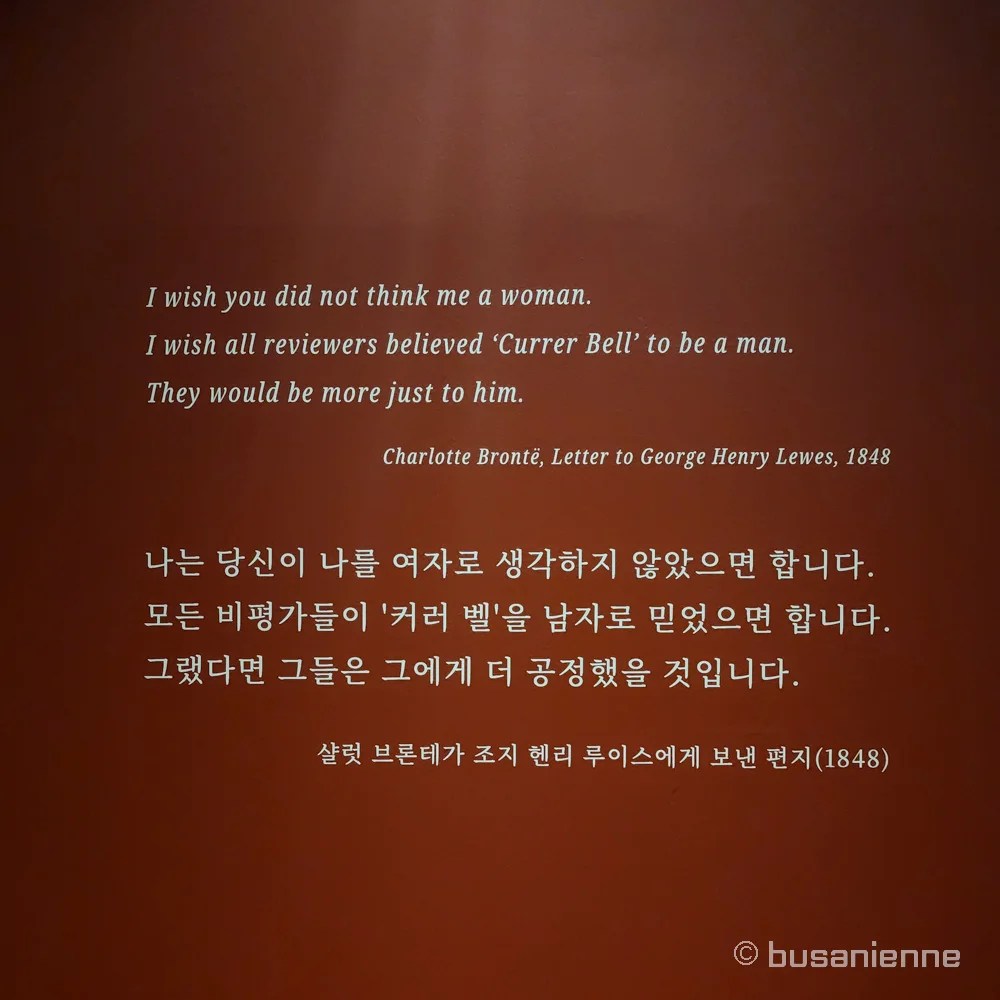
L’exposition donne à voir la manière dont la Grande-Bretagne regarde ses écrivains — non pas comme des monuments intouchables, mais comme des êtres humains, entourés de relations et d’amitiés.
─── ୨୧ ───
It shows how Britain looks at its writers — not as untouchable monuments, but as human beings shaped by relationships and friendships.

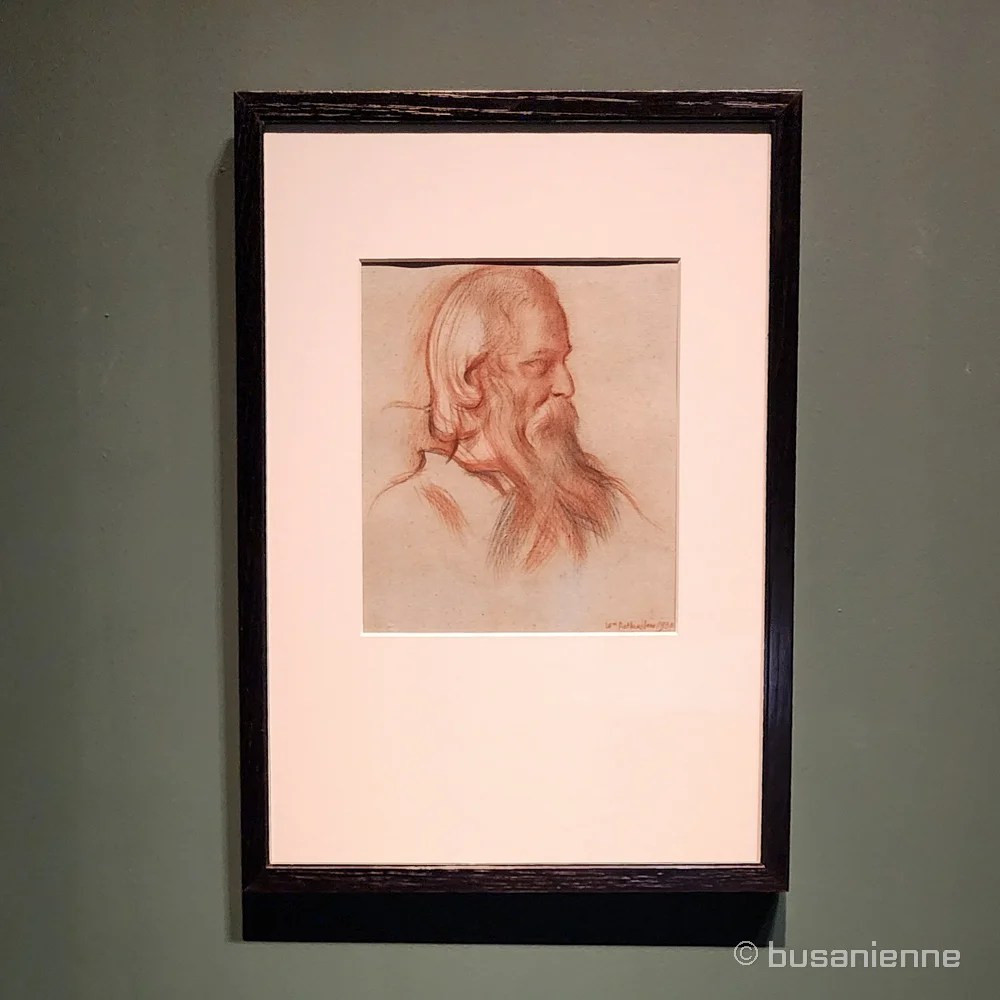
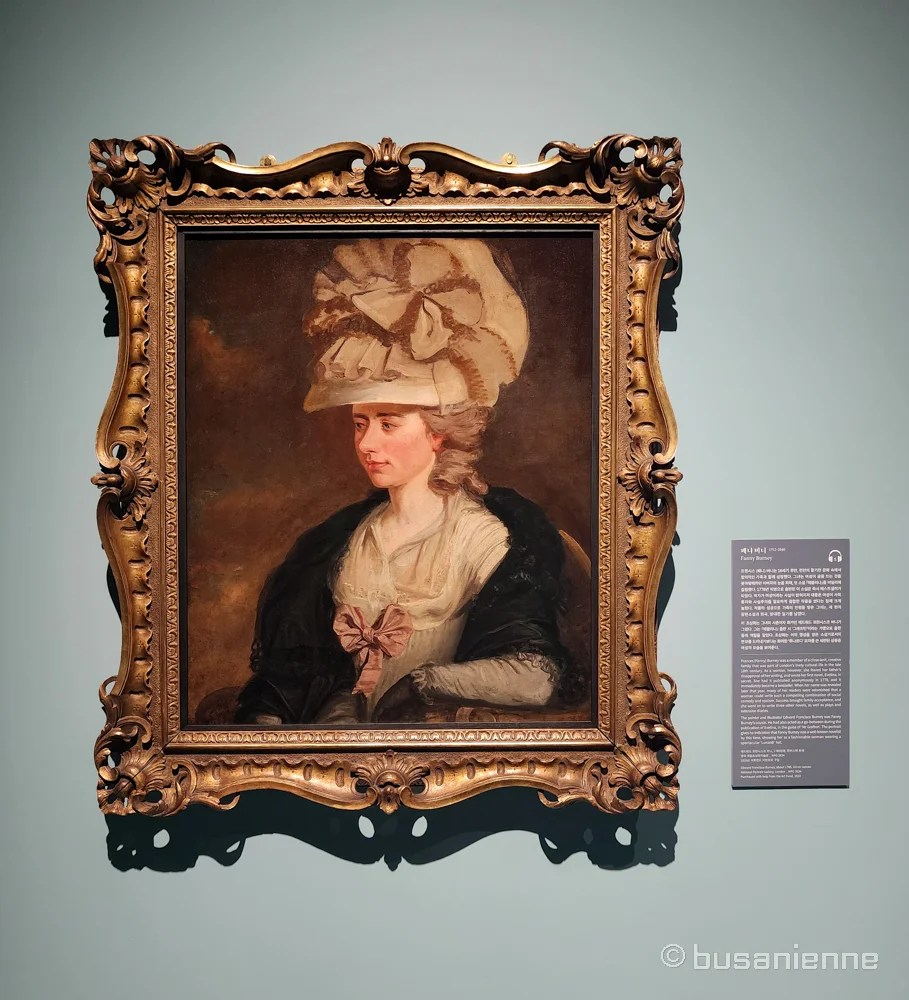

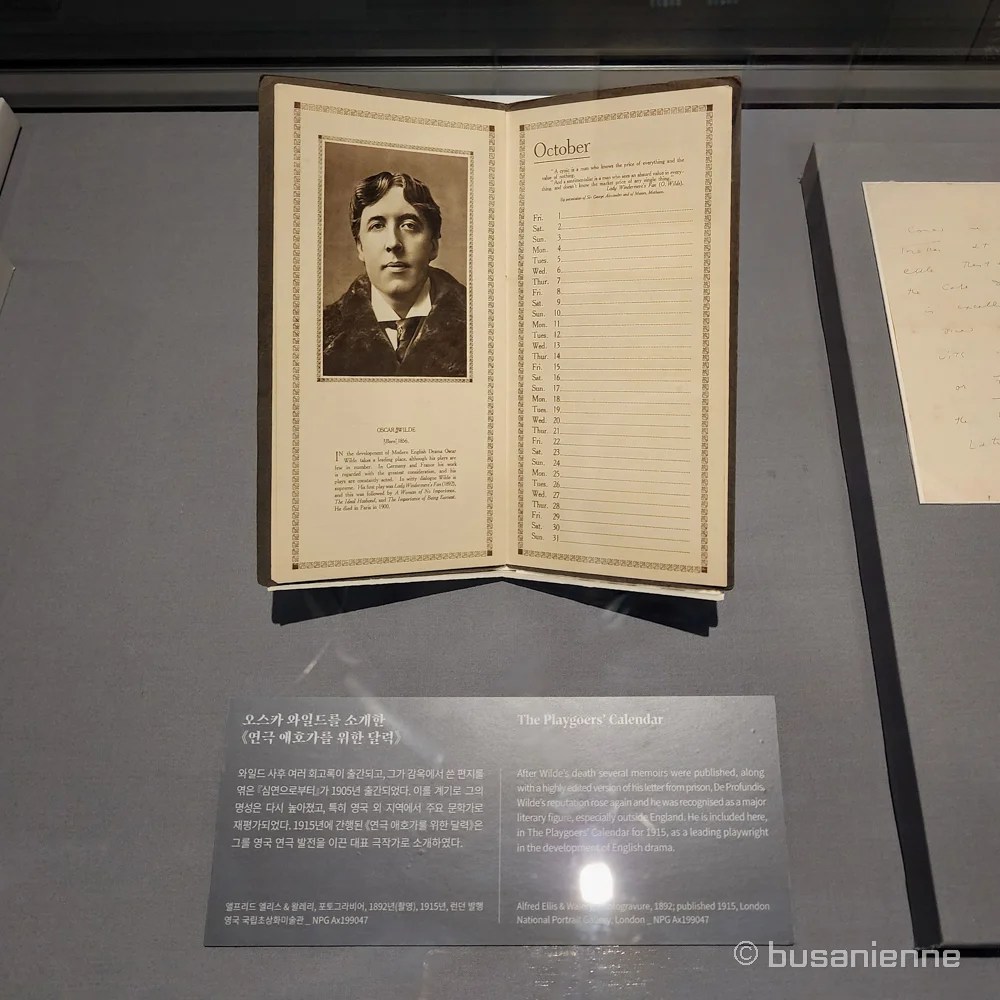
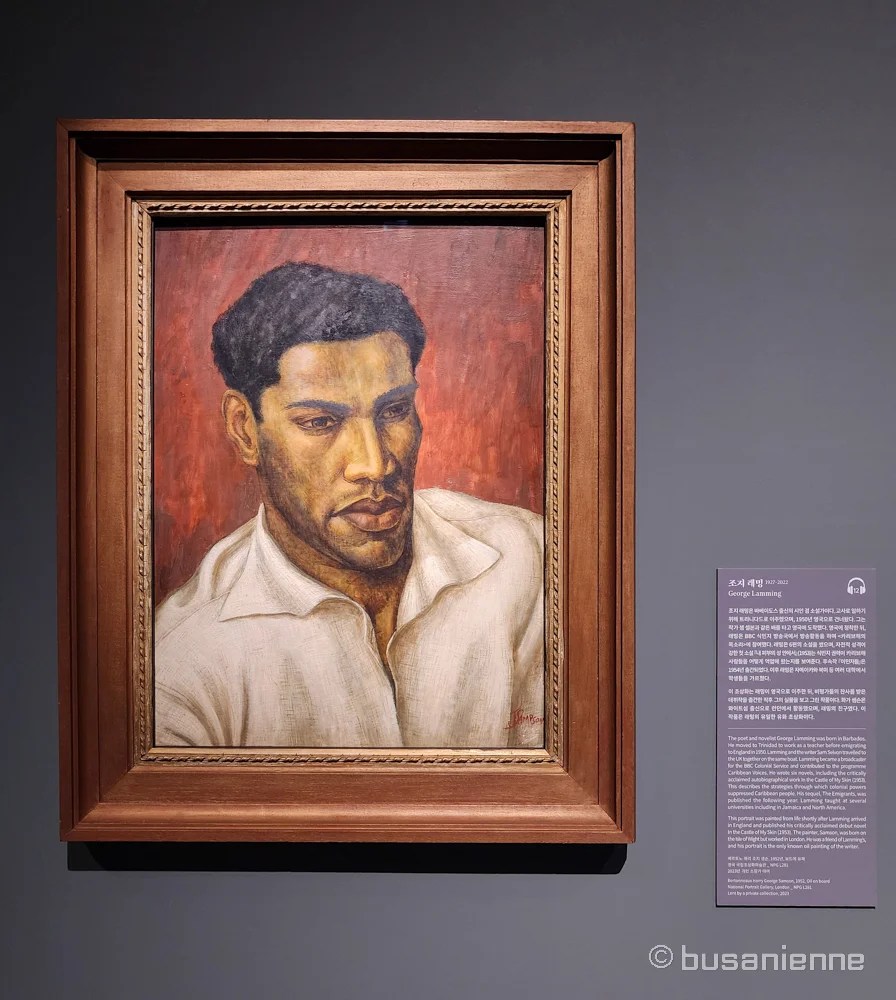
On ne sort pas avec une liste de chefs-d’œuvre en tête, mais avec l’impression d’avoir rencontré des personnes.
─── ୨୧ ───
You don’t leave with a checklist of masterpieces, but with the feeling that you’ve met people.
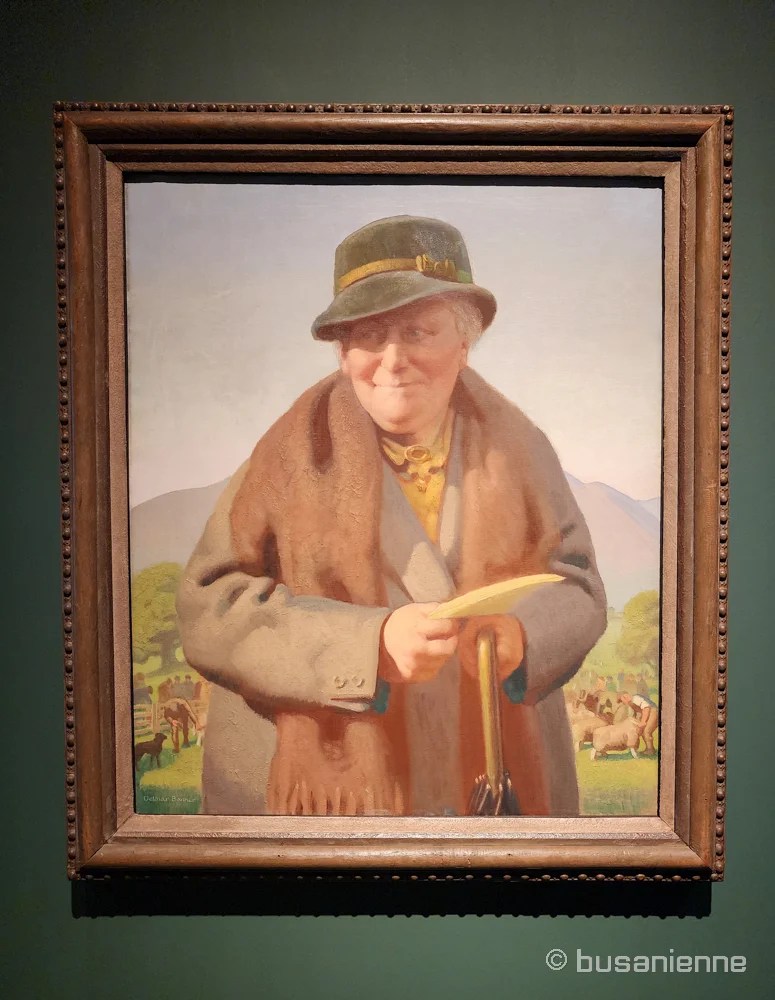
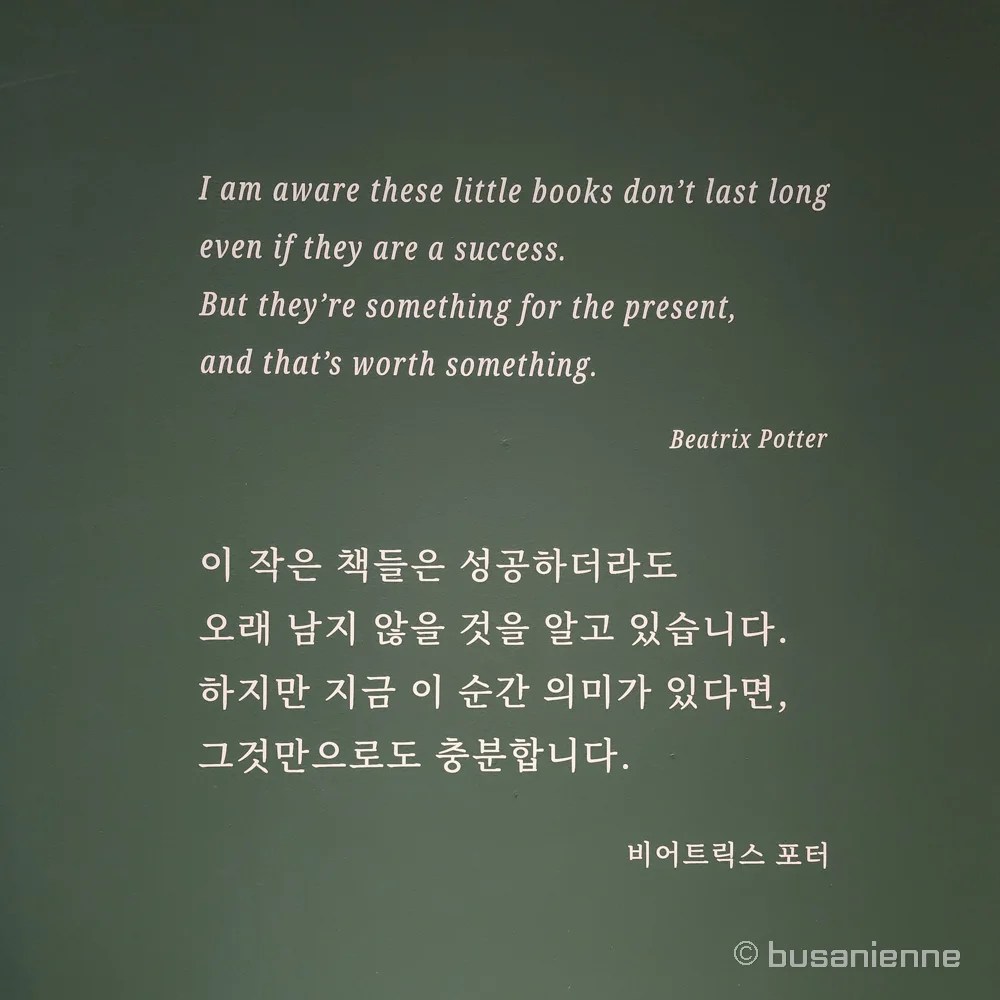
C’est sans doute ce qui rend cette exposition si particulière : elle révèle des histoires qu’on n’aurait jamais découvertes autrement.
─── ୨୧ ───
That is probably what makes this exhibition so special: it reveals stories we would never have discovered otherwise.


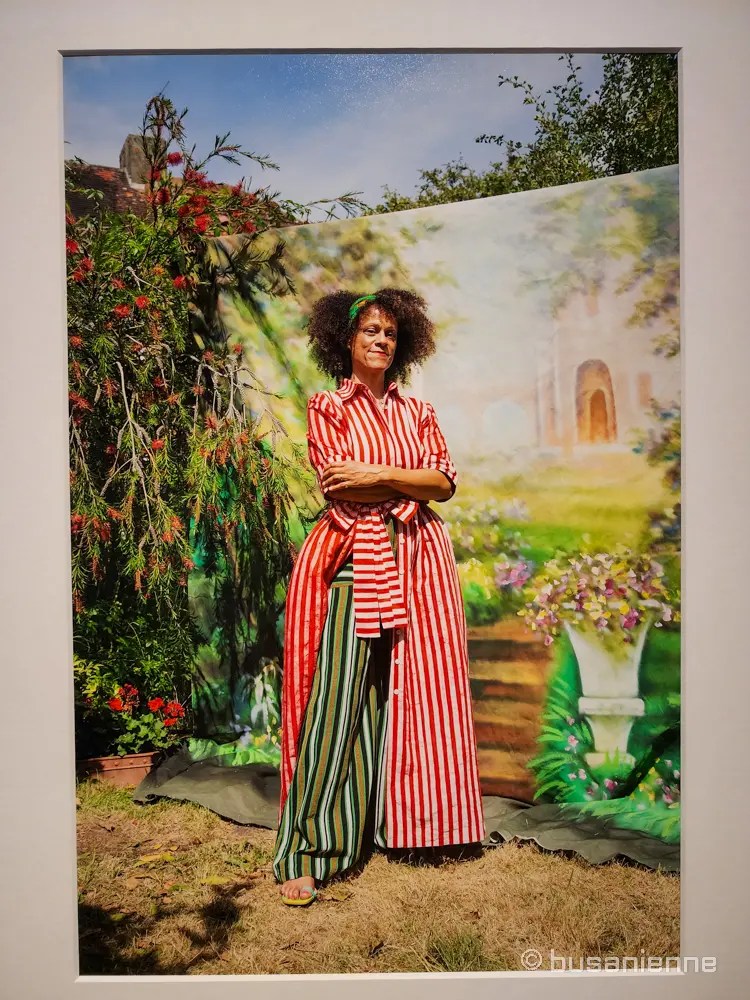

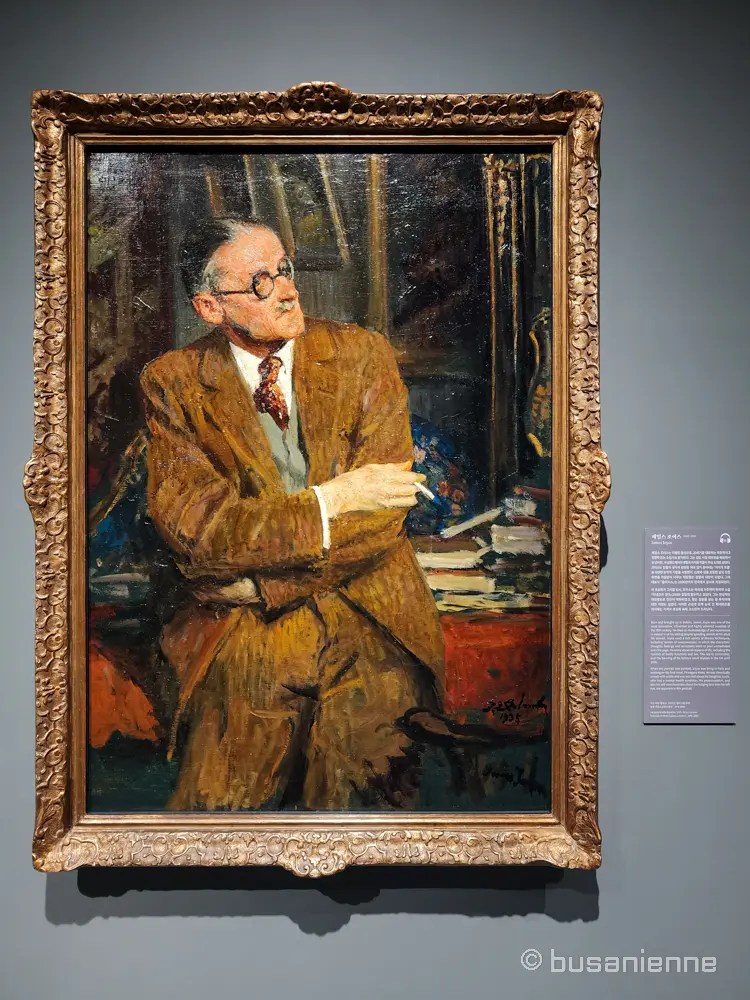
Si vous aimez la littérature britannique et si vous passez par Busan, c’est une exposition que je recommanderais volontiers.
Elle se tient jusqu’au 18 janvier.
─── ୨୧ ───
If you love British literature and happen to be in Busan, it’s an exhibition I would wholeheartedly recommend.
It runs until January 18.



| 🖼️ Exhibition _ Paintings |
|---|
| 🎨 Titre(Title) 거장의 비밀 Writers Revealed |
| 📍 Lieu(Venue) 부산박물관 /bu-san bang-mul-gwan/ Busan Museum |
| 🏡 Adresse(Address) 63, UN pyeonghwa-ro, Nam-gu, Busan |
| 📅 Dates(Period) September 30, 2025 – January 18, 2026 |
| 📞 Téléphone(Contact) +82-51-610-7154 |
| ⏳ Horaires(Hours) 09:00~18:00 * dernière admission/last admission 17:00 * Fermé le lundi * Closed Mondays |
| 🎫 Tarifs/Tickets Adults (19–64): 15,000 KRW Youths (13–18): 12,000 KRW Children (7–12): 10,000 KRW Free admission for infants: under 36 months old |
| 🌐 Site Officiel/Website https://museum.busan.go.kr/busan |
| 🔗 SNS @busan_museum |
| 🗺️ Carte(Map) naver.me/xExWjpb4 |
It is located near the Daeyeon subway station «대연역».

![🏡 [Gongju/Hotel] 소소아한옥 Sosoa Hanok Stay](https://busanienne.com/wp-content/uploads/2025/12/20230421_155313-2.webp?w=844)
![[다이소] 아이스 트레이 원형 6구 6cm (품번: 1051122)](https://busanienne.com/wp-content/uploads/2025/09/icetray.webp?w=715)



 BUSANIENNE
Leave a comment