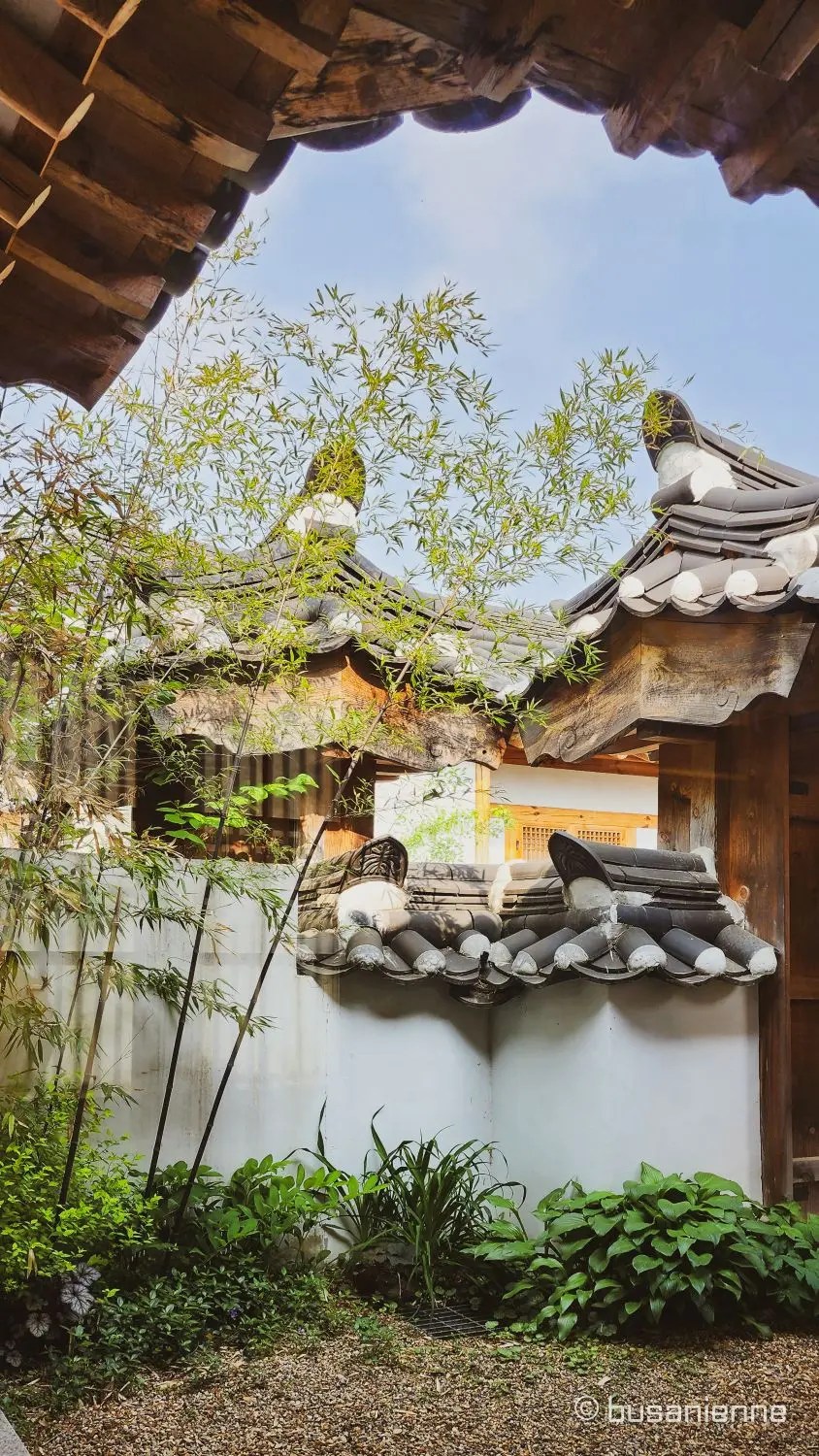
Gongju, ville des châtaignes | City of Chestnuts

Quand les Coréens pensent à Gongju (공주), la première chose qui leur vient à l’esprit, c’est… la châtaigne !
La ville est particulièrement réputée dans la province du Chungcheongnam-do pour la qualité de ses châtaignes.
─── ୨୧ ───
When Koreans think of Gongju (공주), the very first thing that comes to mind is… chestnuts!
The city is especially famous in Chungcheongnam-do for its high-quality chestnuts.
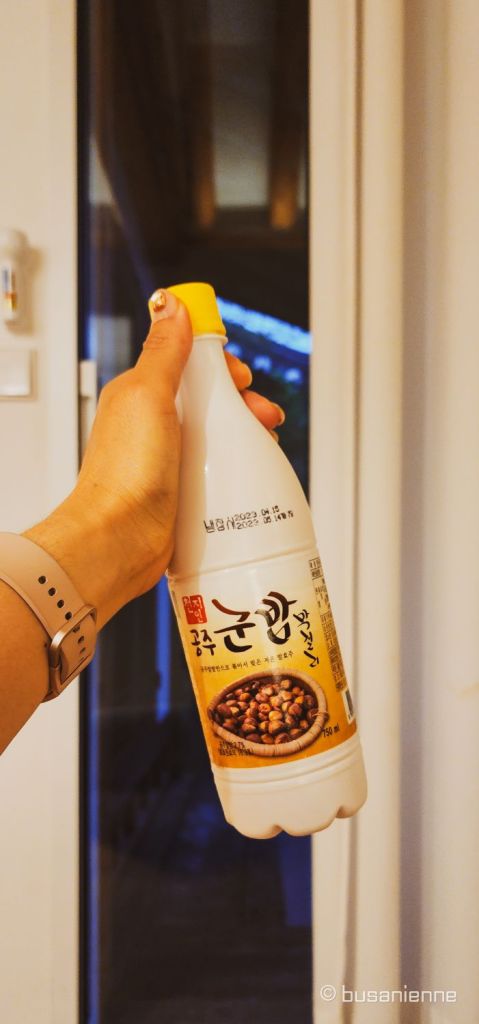
Chestnut makgeolli, a local specialty of Gongju.
Et en deuxième position, bien sûr, on pense au royaume de Baekje.
(Bien sûr… en tant que Coréens, on devrait probablement citer “Baekje” d’abord, mais soyons honnêtes : dans la réalité, ce sont toujours les châtaignes qui gagnent. 😆)
─── ୨୧ ───
And probably the second thing people associate it with is Baekje.
(Though yes — as Koreans, we probably should say “Baekje” first… but let’s be honest, chestnuts usually win. 😆)

Pendant la période des Trois Royaumes, Gongju était la deuxième capitale de Baekje, et à l’époque la ville ne s’appelait pas “Gongju” mais Ungjin.
─── ୨୧ ───
During the Three Kingdoms period, Gongju served as the second capital of Baekje, and at that time the city wasn’t called “Gongju” but Ungjin.

C’est grâce à ce contexte historique qu’on trouve aujourd’hui un village hanok créé dans le cadre d’un projet de revitalisation locale.
─── ୨୧ ───
Because of this history, the city now has a hanok village built as part of a local revitalization project.

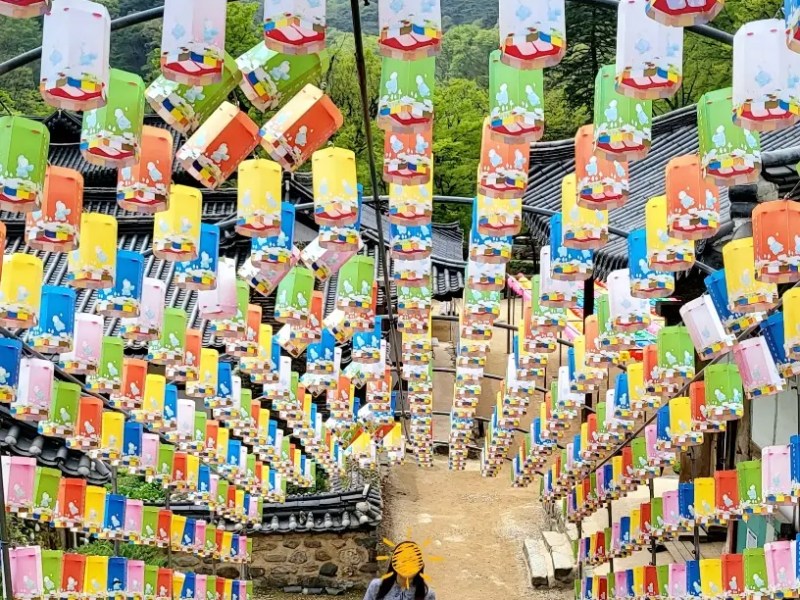
Il y a aussi le temple Magoksa, connu pour ses superbes lanternes — un lieu charmant, mais soyons francs : l’accès n’est pas le plus pratique. 😭
Et si vous avez lu mon article sur Magoksa, vous vous souvenez peut-être que « Gongju » se prononce exactement comme « princesse » en coréen. 👸🏻
─── ୨୧ ───
There’s also Magoksa Temple, known for its beautiful lanterns — it’s a beautiful spot, but honestly, it’s not the easiest place to reach. 😭
If you’ve read my Magoksa post, you might remember that “Gongju” sounds exactly like “princess” in Korean. 👸🏻
━━━━━▼━━━━━

Un petit changement pour ce voyage | Why I Chose a Hanok This Time
Bref !
Je vis en appartement et, en voyage, je choisis presque toujours des hôtels classiques.
─── ୨୧ ───
Anyway! I usually live in an apartment, and even when I travel, I tend to stay in regular hotels.

Mais cette fois, j’avais vraiment envie d’essayer quelque chose de différent : une nuit dans un hanok traditionnel.
Alors j’ai réservé Sosoa Hanok ici à Gongju !
─── ୨୧ ───
But this time, I really wanted to experience staying in a traditional hanok — something completely different from my daily life.
So I booked Sosoa Hanok here in Gongju!

📍 Infos pratiques : Sosoa Hanok | Quick Facts: Sosoa Hanok
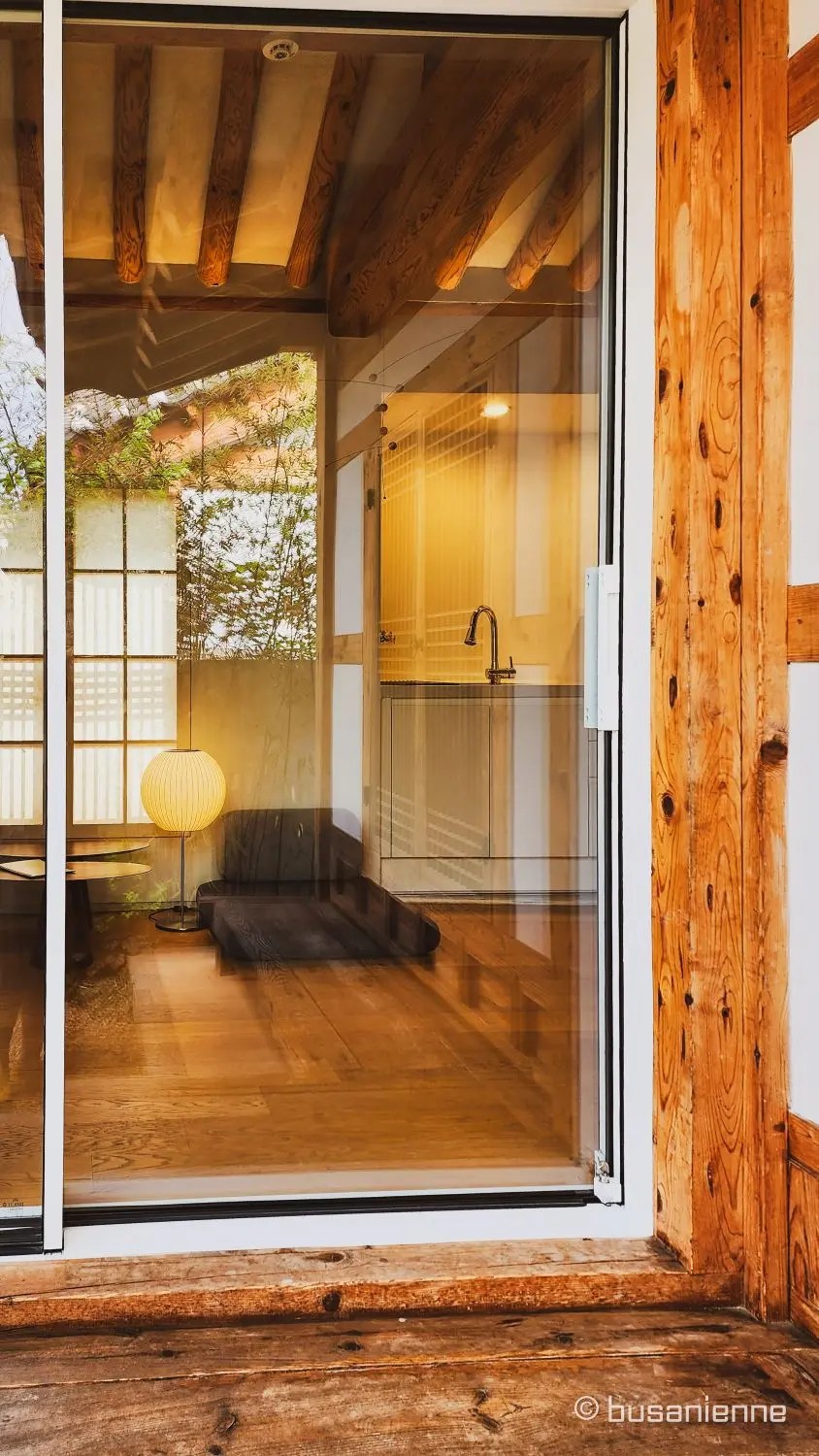

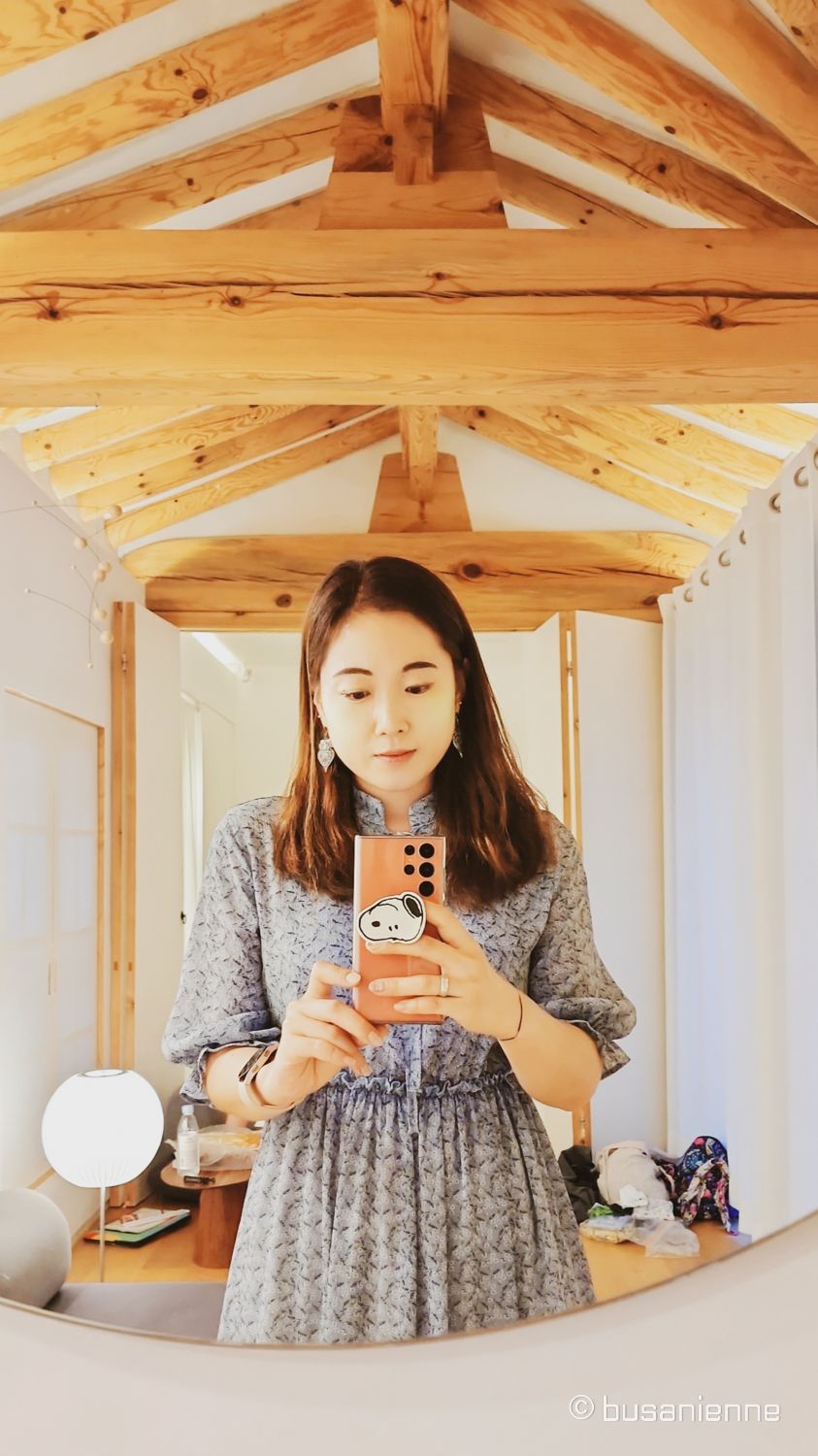
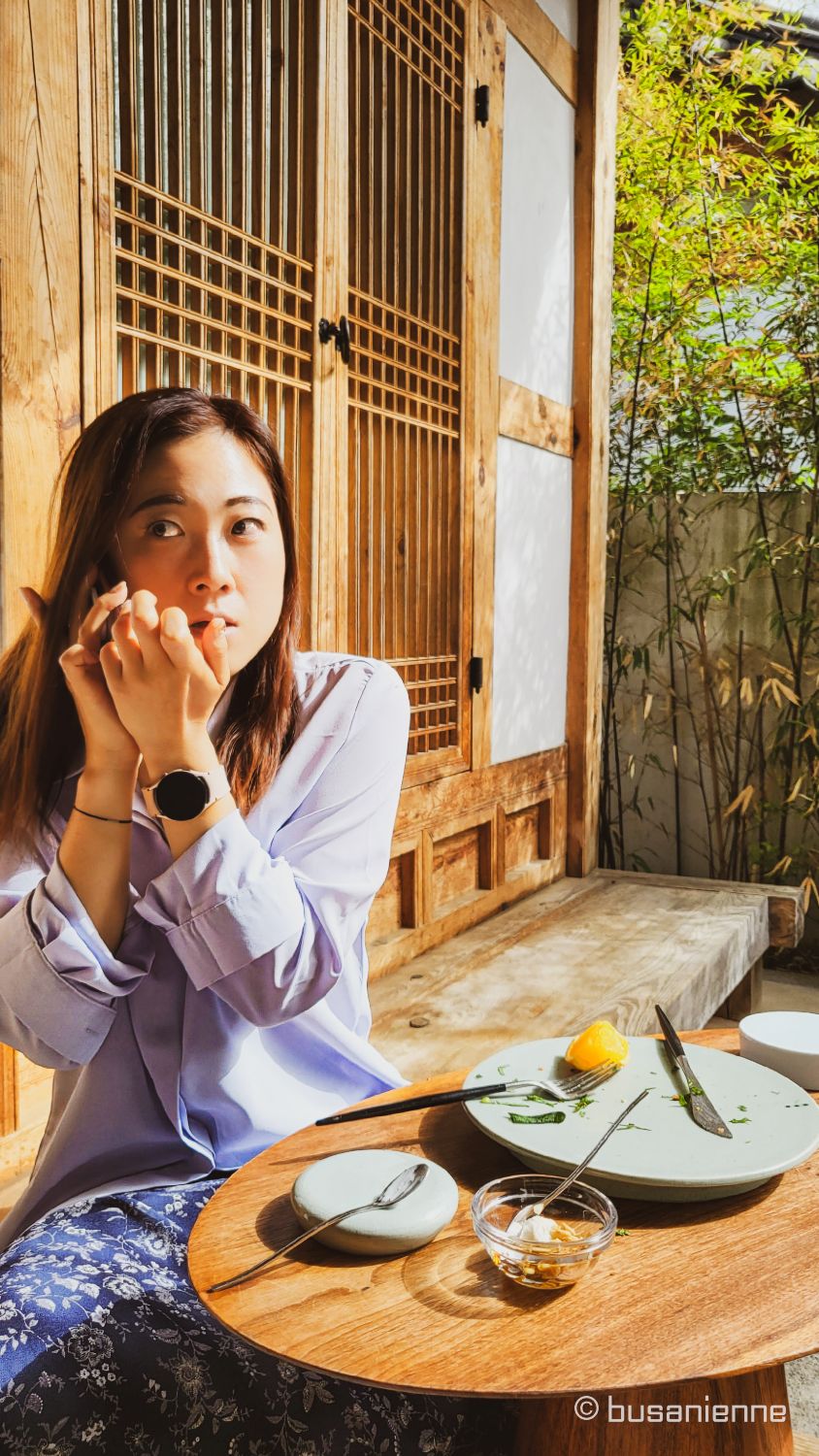
(À noter : les détails peuvent légèrement varier selon le type de chambre — ici, il s’agit de celle où nous avons séjourné.)
💰 Tarif
280 000 wons pour 2 personnes / +50 000 wons par personne supplémentaire
→ Nous étions 3, donc le total était de 330 000 wons (literie + petit-déjeuner inclus).
─── ୨୧ ───
(Note: Details may vary slightly depending on the room type, but this is based on the room we stayed in.)
💰 Price
280,000 won for 2 people / +50,000 won per extra person
→ We were 3, so the total was 330,000 won (bedding + breakfast included).
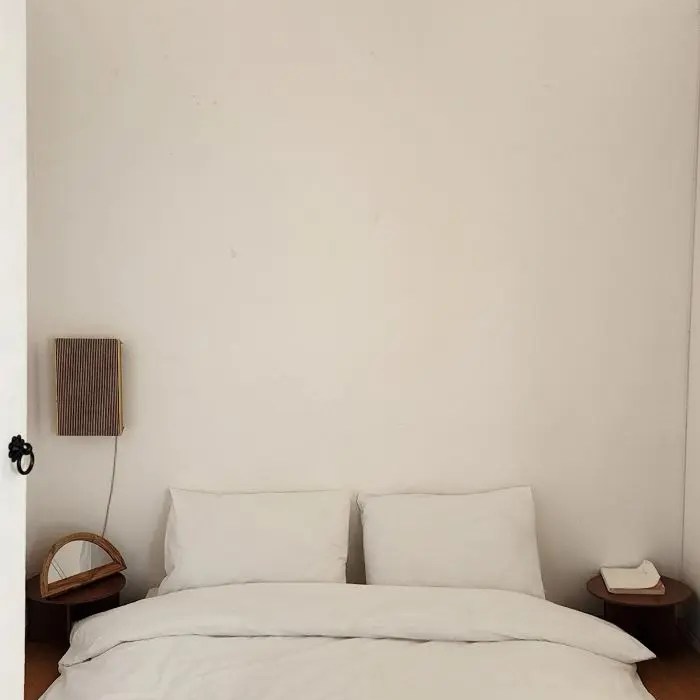


🛏️ Chambre
Toutes les chambres sont prévues pour 2 personnes.
Pas de lit — uniquement un ondol (chauffage au sol) avec futons.
L’espace est assez cosy (c’est-à-dire : petit mais mignon).
─── ୨୧ ───
🛏️ Room
All rooms are designed for 2 people by default.
There’s no bed — just ondol (heated floor) with futon-style bedding.
The room is quite cozy (meaning: small but cute).
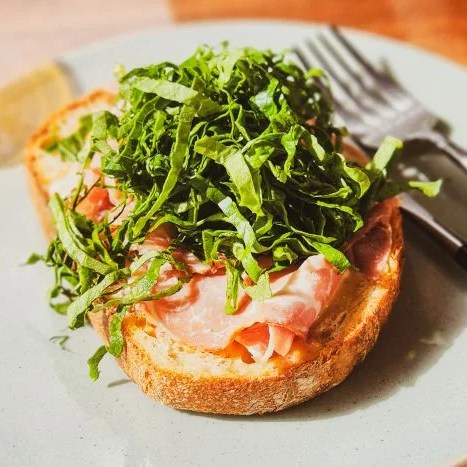
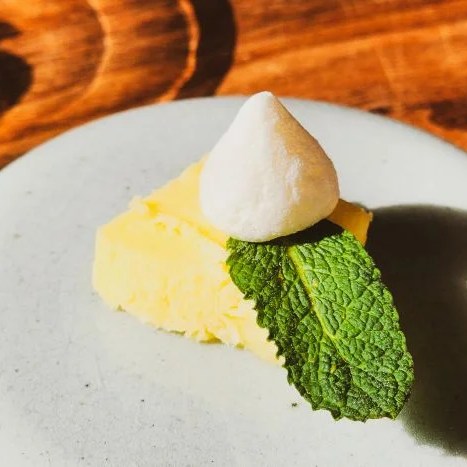
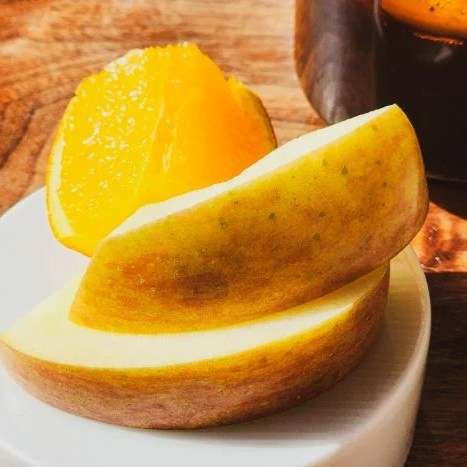

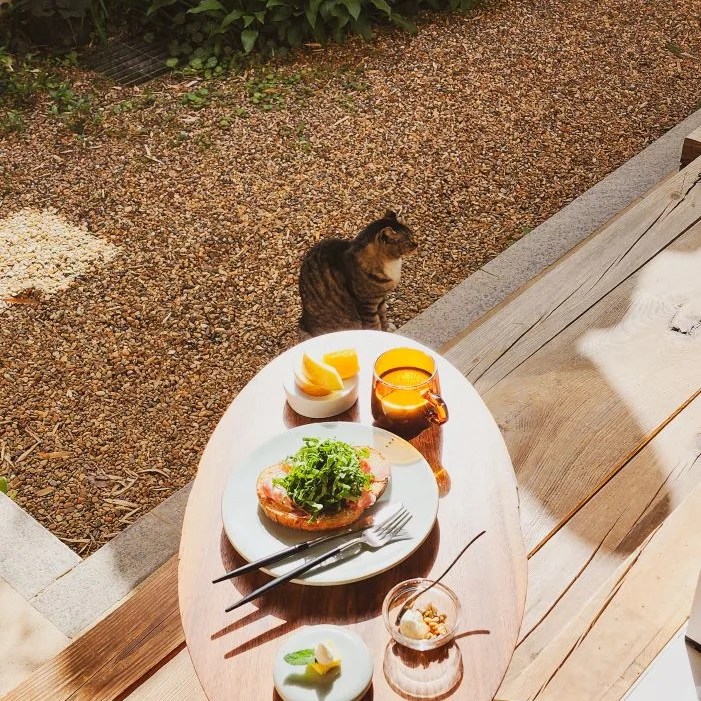
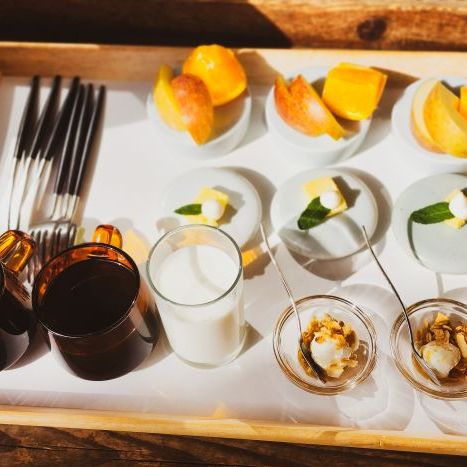
🍳 Petit-déjeuner
Servi entre 9h et 10h.
Vous choisissez votre horaire au moment de l’enregistrement.
─── ୨୧ ───
🍳 Breakfast
Served between 9–10 AM.
You choose your preferred time when you check in.

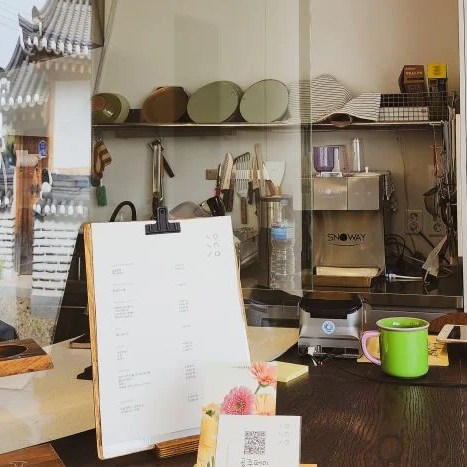
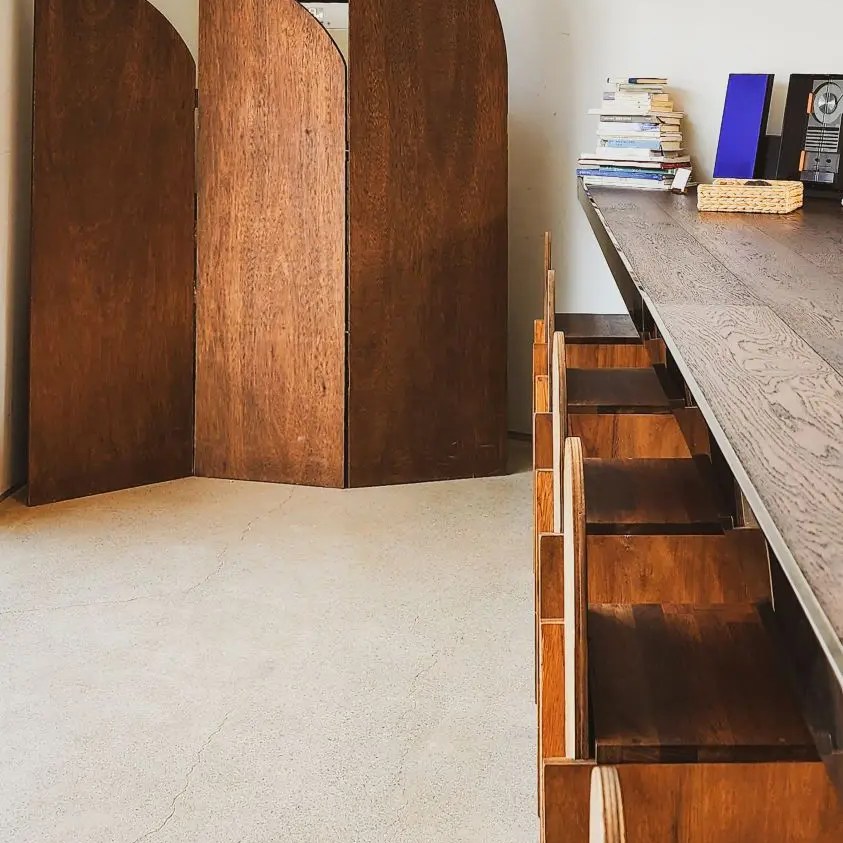
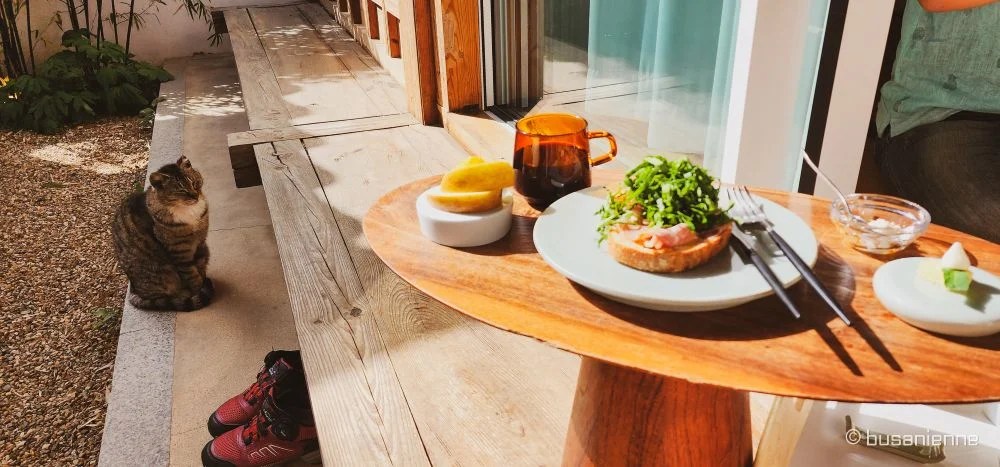
À l’entrée du hanok, il y a un petit café — c’est d’ailleurs là que le petit-déjeuner est préparé.
En dehors des heures du petit-déjeuner, l’endroit fonctionne comme un café classique : parfait pour boire un café tranquillement, ou pour poser des questions si besoin.
─── ୨୧ ───
Near the entrance of the hanok, there’s a small café — it’s also where breakfast is prepared.
Outside breakfast hours, it operates as a regular café, making it a nice spot to grab a coffee or ask any questions about the stay.

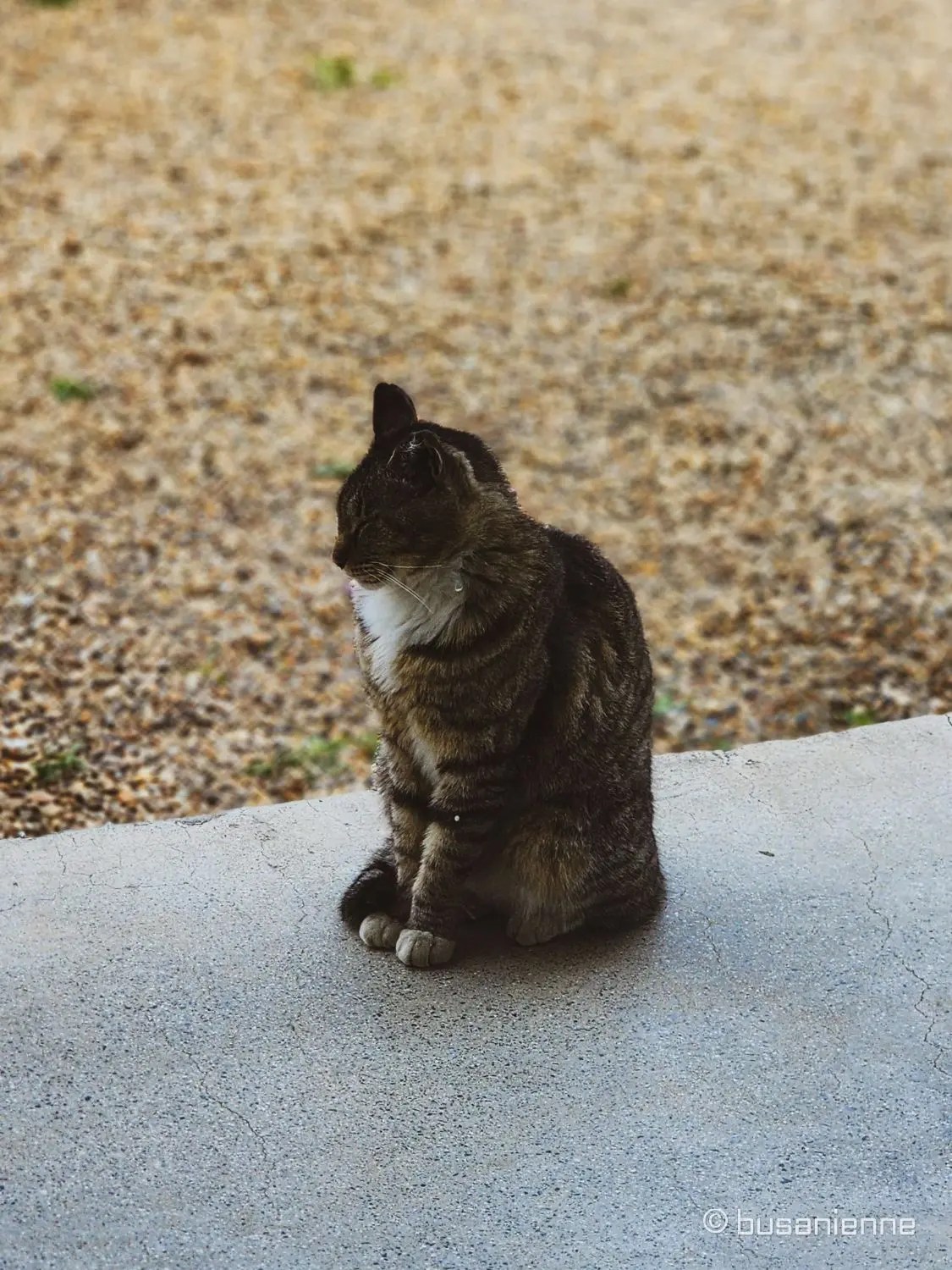
Les chats qui se promènent librement dans la cour et les alentours donnent à l’ensemble une ambiance encore plus détendue et paisible.
─── ୨୧ ───
With cats casually wandering around the courtyard and nearby alleys, the whole place felt even more laid-back and relaxed.

Le quartier est très calme, et juste devant le hanok, un petit cours d’eau longe la rue — idéal pour une promenade nocturne, tout en douceur, pour finir la journée.
─── ୨୧ ───
The neighborhood itself is very quiet, and right in front of the hanok, there’s a small stream — perfect for a gentle walk at night, especially if you’re in the mood for something calm and unhurried. 🙂
| 🏡 Hanok _ 소소아 한옥 | Sosoa Hanok Stay |
|---|
| ⭐ Type boutique hanok accommodation / Traditional hanok stay (hébergement traditionnel coréen – hanok) |
| 🏡 Adresse (Address) 167-10, Banjuk-dong, Gongju-si, Chungcheongnam-do |
| 📧 Contact / Contact Information available on site (at the café near the entrance) |
| 📞 Téléphone (Contact) +82-507-1318-8676 |
| 🕰️ Check-In / Check-Out 16:00 / 11:00 |
| 🥐 Petit déjeuner / Breakfast 09:00 – 10:00 (heure à choisir à l’avance / time selected in advance) |
| 🌐 SNS / Instagram @sosoahanok |
| Carte(Map) naver.me/xJiBwKfT |




Leave a Reply