
🚞 De chez mon frère à chez YJ | From My Brother’s to YJ’s Place
La semaine dernière, j’ai eu un week-end chargé :
집들이(djip.teu.li) chez mon frère le samedi, petit voyage le dimanche, et encore 집들이(djip.teu.li) chez mon amie YJ le lundi.
─── ୨୧ ───
Last week my weekend was pretty packed:
집들이(jip-tu-ri) at my brother’s on Saturday, a short trip on Sunday, and another 집들이(jip-tu-ri) at my friend YJ’s on Monday.
Deux 집들이 en trois jours… et devinez quoi ?
Une vraie immersion dans la vie quotidienne en Corée ! 😉
─── ୨୧ ───
Two 집들이 in three days — guess what?
That’s daily life in Korea for you! 😉

🏠 Que veut dire « 집들이 » ? / What does “집들이” mean?
Le mot coréen « 집들이 Jipdeuri » vient de « 집 /djip/ » (maison) + « 들다 /deul.da/ » (entrer).
Littéralement, « entrer dans la maison ».
En réalité, ce mot désigne la fête d’emménagement, quand on invite famille et amis dans son nouveau foyer. 💞
─── ୨୧ ───
The Korean word “ 집들이 Jipdeuri“ comes from “집 /jip/” (house) + “들다 /dul-da/” (to enter).
Literally, “entering the house.”
What it really means is a housewarming party — when people invite family and friends into their new home. ♥️
🌍 La crémaillère ailleurs / Housewarming around the world
Ce 집들이 n’est pas une tradition uniquement coréenne.
Je viens d’apprendre qu’en français, on appelle ça « pendaison de crémaillère », une expression très imagée. 😉
Et vous, comment appelez-vous cette fête chez vous ?
─── ୨୧ ───
I just found out there’s a lovely word for it in English — “housewarming” — which already feels warm and welcoming.
What about you — do you have something similar in your culture?

🎁 Korean housewarming gifts ! / Les cadeaux traditionnels de crémaillère coréenne
En Corée, trois cadeaux classiques dominent la tradition :
─── ୨୧ ───
In Korea, these three go-to gifts are total classics:
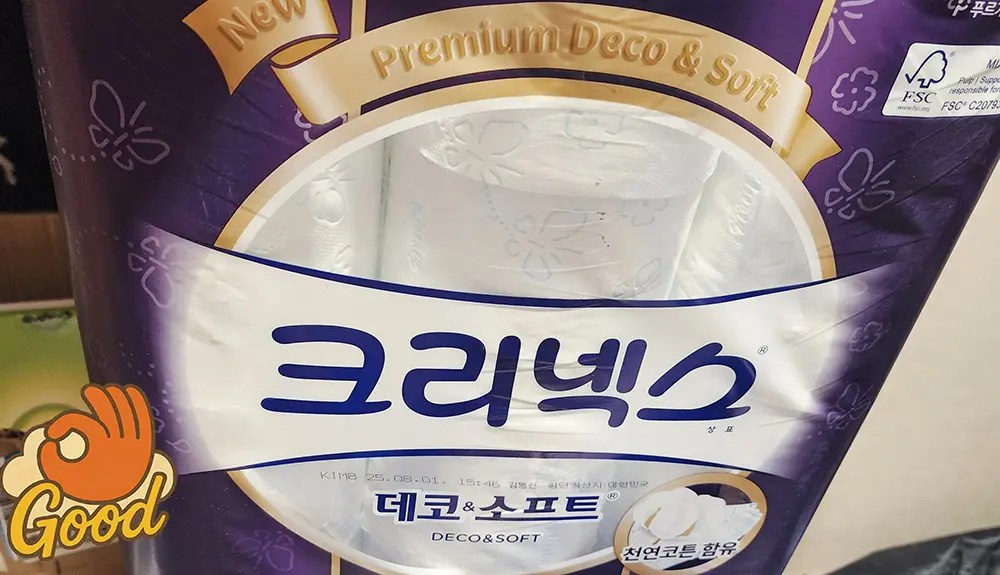
🧻 Papier toilette : pour que la vie se déroule sans accroc.
🧻 Toilet paper: may your life unroll super smoothly.
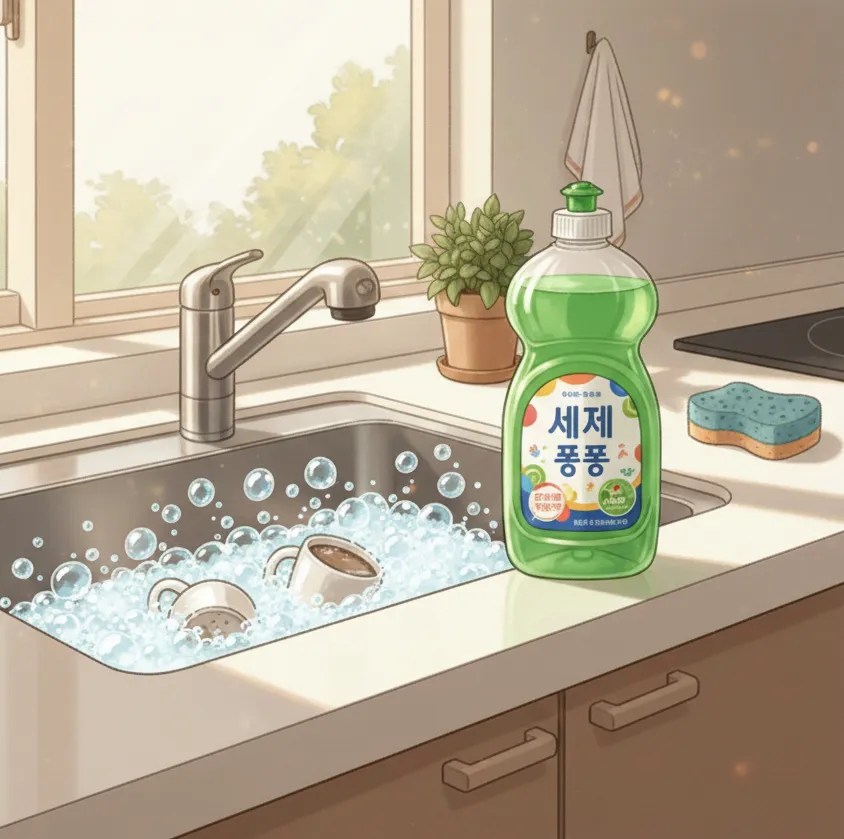
🧼 Détergent : pour que la maison se remplisse de bulles de bonheur.
🧼 Detergent: so your home bubbles with happiness.
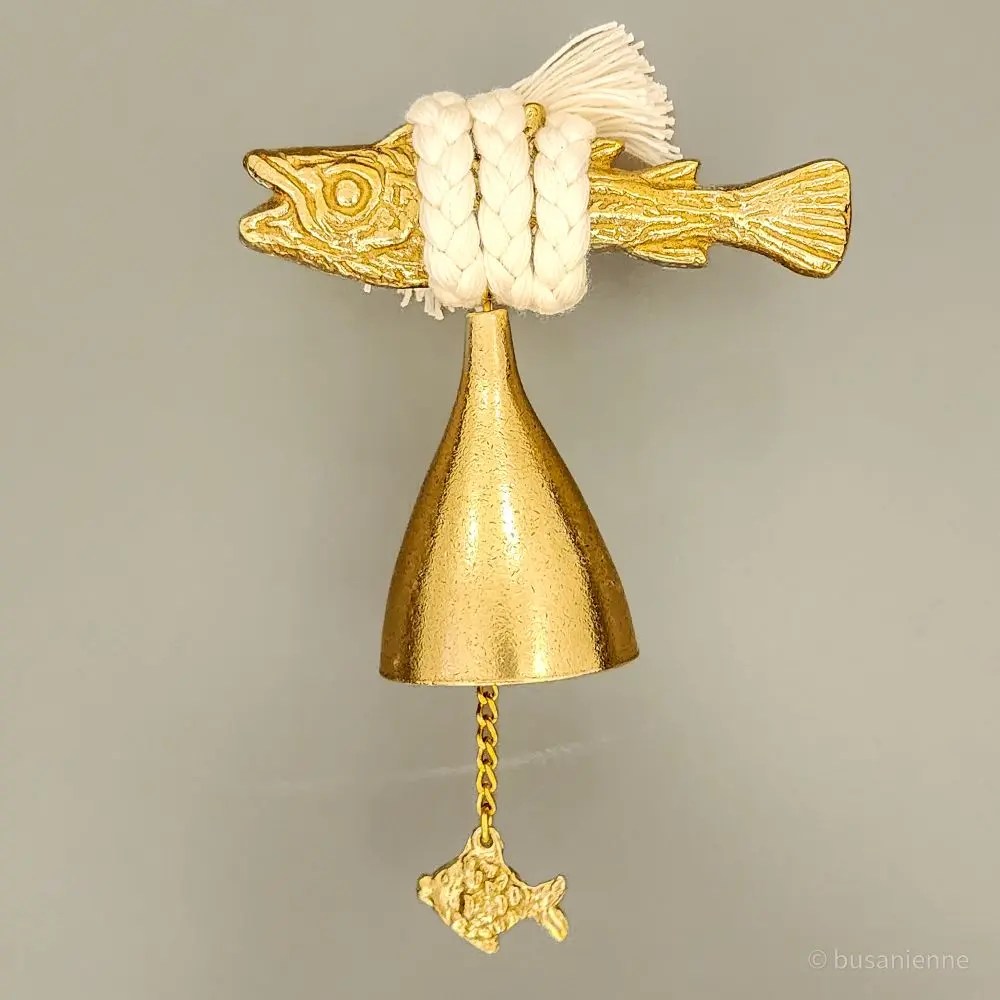
🐟 Aengmagi myeongtae (액막이명태, une morue séchée porte-bonheur) : ses grands yeux protègent le foyer, sa bouche ouverte avale la malchance.
Parfois, elle est enroulée d’un fil de soie, symbole de prospérité durable.(C’est un objet déco traditionnel, souvent accroché à l’entrée pour éloigner les mauvaises énergies.)
🐟 Aengmagi myeongtae (액막이명태, a dried pollack charm) – a traditional Korean charm believed to protect the home. Its large eyes are said to watch over the household, and its open mouth to swallow misfortune.
Sometimes it’s wrapped in silk thread, symbolizing lasting prosperity. (Just to be clear, this is totally decorative — not for eating! It’s often hung near the entrance to ward off bad energy.)

🥳 La crémaillère de mon frère / My brother’s housewarming
Et le plus drôle dans tout ça : ma mère et la mère de ma belle-sœur ont eu exactement la même idée… apporter un 명태 (myeongtae, une morue séchée porte-bonheur) ! 😂
Apparemment, c’est un réflexe universel chez les mamans coréennes.
─── ୨୧ ───
Here’s the funniest part: my mom brought a protective dried pollack charm (myeongtae), and my brother’s mother-in-law sent the exact same thing! 😂
Apparently, that’s a universal instinct among Korean moms.

Mon père, de son côté, a choisi le grand classique : un gros paquet de papier toilette (symbole de prospérité) et même un fauteuil de massage — le choix officiel du couple.
─── ୨୧ ───
My dad went with the classic: a big pack of toilet paper (symbol of prosperity) and a massage chair — the couple’s official pick. 🙂

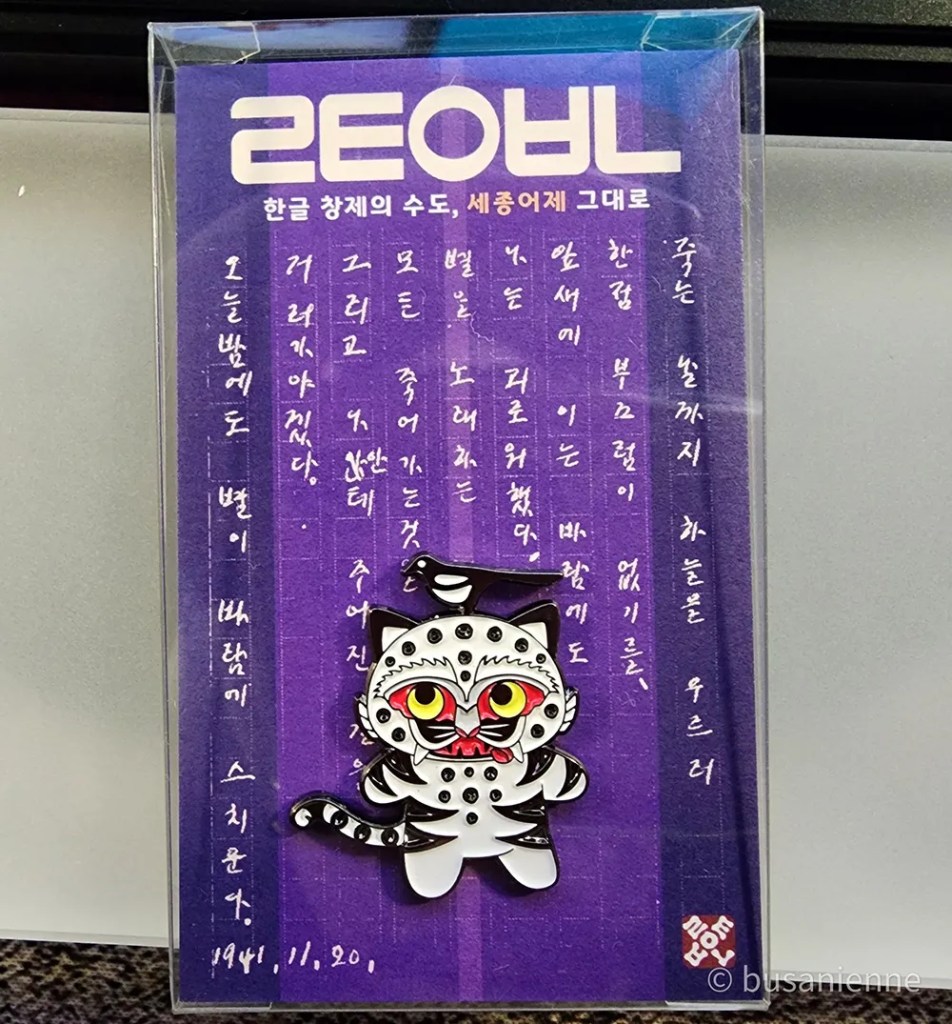
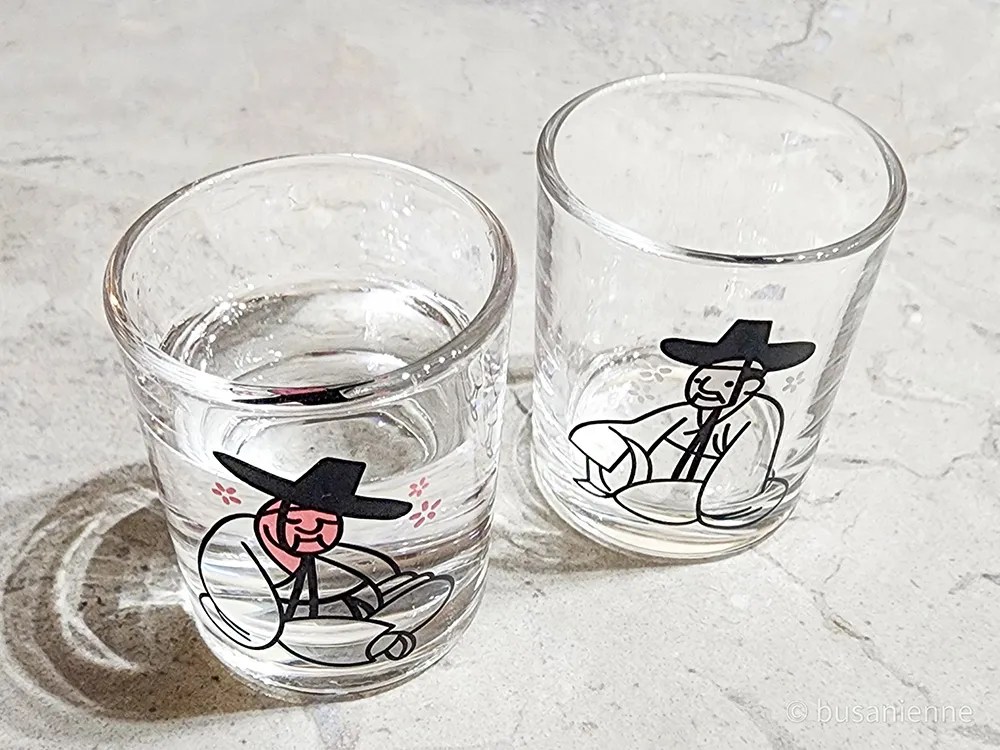

Moi, j’ai choisi une touche plus moderne :
🏺 un set de verres gravés aux motifs de gonryongpo (robe royale coréenne),
🍶 un set de verres à soju illustrés par Kim Hong-do, dont les visages changent de couleur selon la température(j’ai adoré ça !),
🏛️ et un petit souvenir du KPop Demon Hunters — un petit pin adorable, façon mini-musée.
Résultat ?
Ce contraste entre l’ancien (le 명태 protecteur) et le moderne (les verres et objets design) a fait sourire tout le monde et a rendu le tout encore plus sympa.
─── ୨୧ ───
I went for more of a modern vibe:
🏺 a set of glasses engraved with gonryongpo (royal robe) patterns,
🍶 a Kim Hong-do soju glass set, where the painted faces change color depending on the temperature,
🏛️ and a little souvenir from KPop Demon Hunters — an adorable pin, like a cute little museum piece
The mix of old and new had everyone smiling and made the whole thing even more fun.

🧻Un cadeau mignon pour la crémaillère de YJ / A cute little housewarming gift for YJ
Pour mon amie YJ, j’ai choisi quelque chose de plus mignon.
Comme son fils a six ans, je lui ai apporté… du papier toilette pour enfants, décoré de petits dessins rigolos ! 🐻🧻
Pratique et amusant — tout le monde est content !
─── ୨୧ ───
For my friend YJ, I went for something cuter.
Since her son is six, I brought… children’s toilet paper, decorated with cute little drawings! 🐻🧻
Practical and fun — everyone was happy!


💡 Résumé : tradition et modernité / Korean housewarming today: tradition & modernity
La crémaillère, que ce soit en Corée ou ailleurs, met toujours en avant la même chose : l’importance d’un chez-soi et la joie de partager ce nouveau chapitre avec ses proches.
Et chez vous, qu’est-ce qu’on apporte pour une crémaillère ?
─── ୨୧ ───
Housewarming, in Korea or anywhere else, is really all about the same thing: the importance of home and the joy of sharing this new chapter with loved ones.
And where you’re from, what do people usually bring to a housewarming?


![[Busan/Expo] Quand les portraits parlent plus que les livres | When Portraits Tell More Than Books - 거장의 비밀](https://busanienne.com/wp-content/uploads/2025/12/20251128_145250.webp?w=1000)



![[Japon/Japan] On va à Sapporo ? / Shall We Go to Sapporo?](https://busanienne.com/wp-content/uploads/2026/03/img_0336.webp?w=1024)
 BUSANIENNE
Leave a comment